Hysteroscopy is a valuable diagnostic and therapeutic tool in gynecology, allowing direct visualization of the uterine cavity. As a leading hysteroscope supplier, I’ve witnessed firsthand the impact of this technology on patient care. One of the most frequently asked questions by medical professionals and patients alike is, "How often should a hysteroscopy be performed?" In this blog post, I’ll explore the factors that influence the frequency of hysteroscopy and provide some general guidelines.
Understanding Hysteroscopy
Before delving into the frequency of hysteroscopy, it’s essential to understand what it is and how it works. Hysteroscopy involves inserting a thin, lighted tube called a hysteroscope through the vagina and cervix into the uterus. This allows the doctor to examine the uterine cavity for abnormalities such as polyps, fibroids, adhesions, or abnormal bleeding. Hysteroscopy can also be used for therapeutic purposes, such as removing polyps or fibroids, treating adhesions, or performing endometrial ablation.
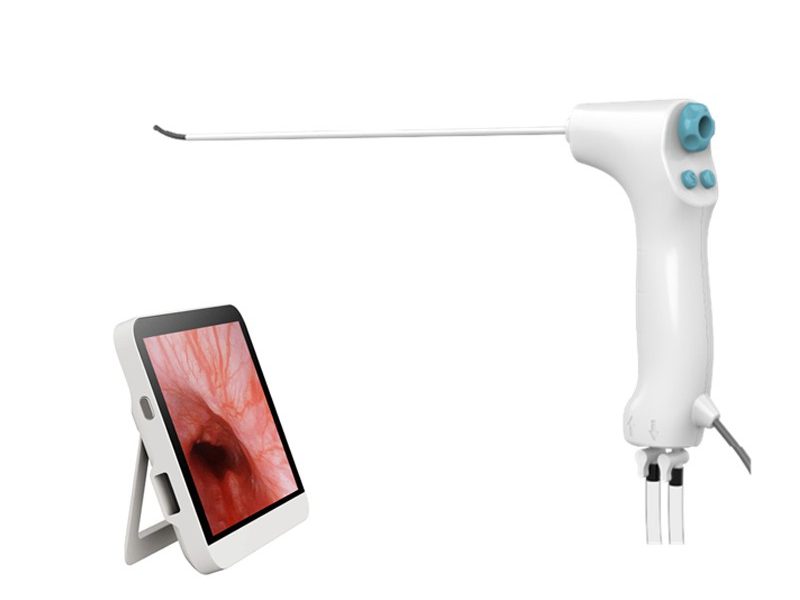
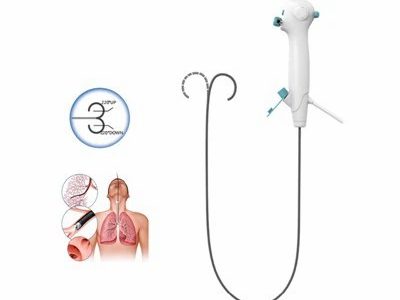
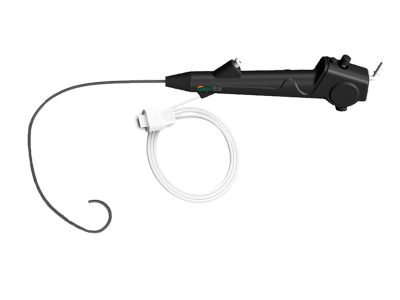
There are different types of hysteroscopes available, each with its own advantages and applications. For example, the Portable Hysteroscope offers flexibility and convenience, making it suitable for use in various clinical settings. The Flexible Hysteroscope is designed to navigate the uterine cavity more easily, providing a better view of hard-to-reach areas. And the Disposable Hysteroscope eliminates the need for cleaning and sterilization, reducing the risk of cross-contamination.


Factors Influencing the Frequency of Hysteroscopy
The frequency of hysteroscopy depends on several factors, including the patient’s age, medical history, symptoms, and the reason for the procedure. Here are some key considerations:
1. Diagnostic Purposes
- Abnormal Uterine Bleeding: Hysteroscopy is often recommended for women experiencing abnormal uterine bleeding, such as heavy or prolonged periods, spotting between periods, or postmenopausal bleeding. In cases of abnormal bleeding, a hysteroscopy may be performed as an initial diagnostic test to identify the cause. If the cause is identified and treated successfully, a follow-up hysteroscopy may not be necessary. However, if the cause is not clear or if there are recurrent symptoms, additional hysteroscopies may be required.
- Infertility Evaluation: Hysteroscopy can be used to evaluate the uterine cavity in women with infertility. It can help detect structural abnormalities such as polyps, fibroids, or adhesions that may interfere with implantation. In cases of infertility, a hysteroscopy may be performed as part of a comprehensive evaluation. If no abnormalities are found, a follow-up hysteroscopy may not be needed. However, if abnormalities are detected and treated, a follow-up hysteroscopy may be recommended to ensure that the treatment was successful.
2. Therapeutic Purposes
- Polyp or Fibroid Removal: Hysteroscopy can be used to remove polyps or fibroids from the uterine cavity. After the removal of polyps or fibroids, a follow-up hysteroscopy may be recommended to ensure that the lesions have been completely removed and to monitor for recurrence.
- Adhesion Treatment: Hysteroscopy can also be used to treat adhesions in the uterine cavity. After the treatment of adhesions, a follow-up hysteroscopy may be recommended to assess the effectiveness of the treatment and to prevent recurrence.
3. Patient’s Age and Menopausal Status
- Pre – menopausal Women: In pre – menopausal women, the frequency of hysteroscopy may be influenced by the menstrual cycle. For example, hysteroscopy is usually performed during the follicular phase of the menstrual cycle to minimize the risk of bleeding. The frequency of hysteroscopy in pre – menopausal women may also be related to the underlying condition being treated.
- Post – menopausal Women: In post – menopausal women, any abnormal uterine bleeding is considered a red flag and may warrant a hysteroscopy. After the initial evaluation, the frequency of follow – up hysteroscopies will depend on the findings and the treatment plan.
4. Risk of Recurrence
- High – risk Conditions: Women with certain high – risk conditions, such as a history of endometrial cancer or a genetic predisposition to uterine abnormalities, may require more frequent hysteroscopies for surveillance. For example, women with Lynch syndrome, a genetic disorder associated with an increased risk of endometrial cancer, may need regular hysteroscopies as part of their cancer screening protocol.
General Guidelines for Hysteroscopy Frequency
While there is no one – size – fits – all answer to how often a hysteroscopy should be performed, here are some general guidelines:
- Diagnostic Hysteroscopy: For women undergoing a diagnostic hysteroscopy for abnormal uterine bleeding or infertility, a single hysteroscopy may be sufficient if the cause is identified and treated successfully. However, if the cause is not clear or if there are recurrent symptoms, a repeat hysteroscopy may be recommended within 3 – 6 months.
- Therapeutic Hysteroscopy: After a therapeutic hysteroscopy, such as polyp or fibroid removal, a follow – up hysteroscopy is usually recommended within 3 – 6 months to ensure that the treatment was successful and to monitor for recurrence. If no recurrence is detected, subsequent hysteroscopies may be performed at longer intervals, such as every 1 – 2 years, depending on the patient’s risk factors.
- Surveillance Hysteroscopy: For women at high risk of uterine abnormalities, such as those with a history of endometrial cancer or Lynch syndrome, surveillance hysteroscopies may be recommended annually or more frequently, depending on the individual’s risk profile.
The Importance of Individualized Care
It’s important to note that these are general guidelines, and the frequency of hysteroscopy should be individualized based on the patient’s specific circumstances. A thorough discussion between the patient and the healthcare provider is essential to determine the most appropriate frequency of hysteroscopy. The healthcare provider will consider the patient’s medical history, symptoms, risk factors, and treatment goals when making a decision.
Contact Us for Your Hysteroscope Needs
As a trusted hysteroscope supplier, we understand the importance of providing high – quality, reliable equipment for your clinical practice. Whether you’re looking for a Portable Hysteroscope, a Flexible Hysteroscope, or a Disposable Hysteroscope, we have the right solution for you.
If you’re interested in learning more about our hysteroscopes or would like to discuss your specific requirements, please don’t hesitate to contact us. Our team of experts is ready to assist you in making the best choice for your practice.
References
- American College of Obstetricians and Gynecologists. (2019). ACOG Practice Bulletin No. 206: Evaluation of Abnormal Uterine Bleeding in Reproductive – Age Women. Obstetrics & Gynecology, 134(3), e22 – e38.
- Society of Gynecologic Surgeons. (2018). Practice Guidelines for Hysteroscopy. Journal of Minimally Invasive Gynecology, 25(3), 449 – 463.
- National Comprehensive Cancer Network. (2022). NCCN Guidelines for Uterine Neoplasms.

 Blog
Blog
 Blog
Blog
 Blog
Blog