What is the learning curve for doctors using a flexible cystoscope?
The medical field is constantly evolving, with new technologies and tools emerging to improve patient care and treatment…
Read article →

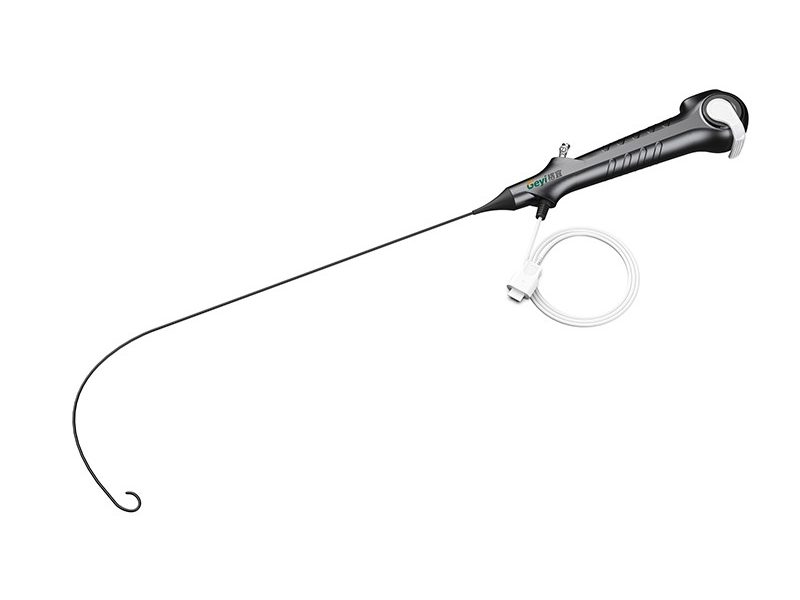
In the field of urological surgery, ureteroscope procedures have witnessed remarkable advancements over the years. One of the most significant technological integrations in these procedures is the use of lasers. As a leading Ureteroscope supplier, we have witnessed firsthand the transformative impact of lasers on ureteroscope procedures. This blog post aims to explore the numerous advantages of using a laser in ureteroscope procedures.


One of the primary advantages of using a laser in ureteroscope procedures is the unprecedented level of precision it offers. Lasers can be precisely focused on the target tissue, allowing surgeons to accurately treat specific areas while minimizing damage to surrounding healthy tissues. This is particularly crucial in ureteroscope procedures, where the delicate nature of the ureters and surrounding organs requires the utmost precision.
For example, when treating kidney stones, lasers can be used to fragment the stones with extreme accuracy. The high – energy laser beam can be directed precisely at the stone, breaking it into smaller pieces that can be more easily removed or passed naturally. This targeted approach reduces the risk of collateral damage to the ureter walls, which can lead to complications such as strictures or bleeding.
Laser – assisted ureteroscope procedures are minimally invasive, which is a major benefit for patients. Unlike traditional open surgeries, which involve large incisions and significant tissue disruption, ureteroscope procedures with lasers can be performed through a small urethral opening. This results in less pain, shorter hospital stays, and faster recovery times for patients.
The use of lasers also reduces the need for multiple incisions or extensive manipulation of the urinary tract. Surgeons can insert the ureteroscope through the natural body orifice and use the laser to perform the necessary treatment without causing significant trauma to the patient’s body. This minimally invasive approach not only improves the patient’s quality of life during the recovery period but also reduces the risk of postoperative infections and other complications.
Kidney stones are a common urological condition that often requires treatment. Lasers have proven to be highly effective in fragmenting kidney stones during ureteroscope procedures. Different types of lasers, such as holmium:YAG lasers, can generate high – energy pulses that can break down stones of various sizes and compositions.
The ability to fragment stones into smaller pieces makes it easier for the stones to be removed from the urinary tract. Surgeons can use baskets or other retrieval devices to extract the fragmented stones directly through the ureteroscope. In some cases, the smaller stone fragments can pass naturally through the urinary system, eliminating the need for further intervention. This efficient stone fragmentation process reduces the risk of stone recurrence and improves the overall success rate of the treatment.
Ureteral strictures, which are narrowing of the ureters, can cause significant problems such as urinary obstruction and kidney damage. Lasers can be used in ureteroscope procedures to treat ureteral strictures effectively. The laser can be used to vaporize or incise the strictured tissue, widening the ureter and restoring normal urine flow.
This treatment approach is less invasive compared to traditional surgical methods for ureteral strictures, such as open ureteroplasty. Laser – based treatment can be performed on an outpatient basis in many cases, reducing the patient’s hospital stay and recovery time. Additionally, the precision of the laser allows for a more controlled treatment, minimizing the risk of over – resection or damage to the surrounding tissues.
Modern ureteroscopes are often equipped with high – resolution imaging systems that provide real – time visualization of the urinary tract during the procedure. When combined with lasers, surgeons can precisely target the treatment area based on the visual feedback. They can clearly see the location and size of the stones or other abnormalities and adjust the laser settings accordingly.
This real – time visualization also allows for immediate assessment of the treatment outcome. Surgeons can determine whether the stone has been completely fragmented or the stricture has been successfully treated. If necessary, they can make adjustments to the treatment plan during the procedure, ensuring the best possible results for the patient.
The use of lasers in ureteroscope procedures is associated with a reduced risk of complications. The precision of the laser reduces the likelihood of damage to the ureter walls, blood vessels, and surrounding organs. This, in turn, decreases the risk of bleeding, infection, and other postoperative complications.
Compared to some traditional treatment methods, such as shock wave lithotripsy, laser – assisted ureteroscope procedures have a lower risk of stone migration. Since the laser can be used to directly target the stone within the ureter or kidney, there is less chance of the stone moving to an inaccessible location during the treatment process.
As a trusted Ureteroscope supplier, we offer a range of high – quality ureteroscopes that are suitable for laser – assisted procedures. Our Disposable Ureteroscope provides a cost – effective and hygienic solution for single – use applications. It is designed to offer excellent visualization and maneuverability, making it ideal for various ureteroscope procedures.
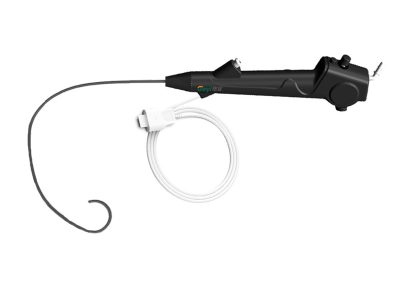
Our Single Use Digital Ureteroscope combines the benefits of digital imaging technology with the convenience of single – use design. The high – resolution digital images allow for clear visualization of the urinary tract, enhancing the accuracy of laser – assisted treatments.
For procedures that require flexibility, our Disposable Flexible Ureteroscope is an excellent choice. It can be easily navigated through the tortuous urinary tract, reaching areas that are difficult to access with rigid ureteroscopes. This flexibility enables surgeons to perform laser – based treatments in a more comprehensive and effective manner.
The advantages of using a laser in ureteroscope procedures are numerous and significant. From enhanced precision and minimally invasive nature to effective stone fragmentation and treatment of ureteral strictures, lasers have revolutionized the field of urological surgery. The combination of lasers with advanced ureteroscope technology provides real – time visualization and feedback, reducing the risk of complications and improving patient outcomes.
As a Ureteroscope supplier, we are committed to providing high – quality products that support the use of lasers in ureteroscope procedures. If you are interested in learning more about our ureteroscope products or discussing potential procurement opportunities, please feel free to contact us. We look forward to working with you to improve the quality of urological care.
 Blog
Blog
 Blog
Blog