What is the success rate of controlling hemoptysis with a bronchoscope?
Hemoptysis, the coughing up of blood from the respiratory tract, is a concerning medical symptom that can range…
Read article →

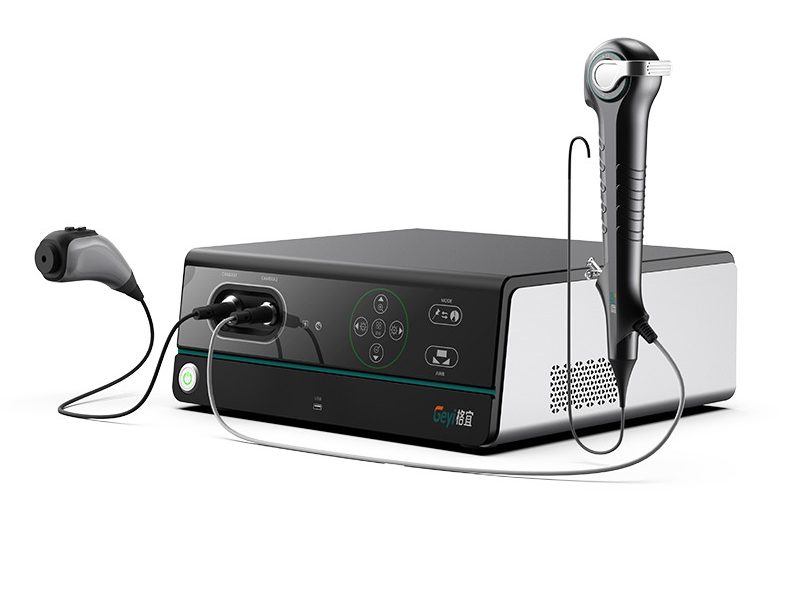
Preparing for an endoscope system examination is a crucial step that can significantly impact the accuracy and success of the procedure. As a trusted supplier of high – quality endoscope systems, including the Endoscope Image Processor, Video Endoscopy System, and 4K Medical Endoscope Camera System, we understand the importance of proper pre – examination preparations. In this blog, we will guide you through the essential steps to take before undergoing an endoscope system examination.
The first and most important step is to have a detailed consultation with your healthcare provider. They will explain the purpose of the endoscopy, the type of endoscope system that will be used, and what to expect during and after the procedure. This is also the time to disclose your complete medical history, including any allergies, previous surgeries, and current medications. Certain medications, such as blood thinners, may need to be adjusted or temporarily stopped before the examination to reduce the risk of bleeding.
Your doctor will also inform you about any specific instructions based on your individual health condition. For example, if you have a heart condition, additional precautions may be necessary. Be sure to ask any questions you may have during this consultation to alleviate any concerns and ensure you understand the entire process.
Dietary restrictions are a common part of pre – endoscopy preparations. Usually, you will be asked to fast for a certain period before the examination. This is to ensure that your stomach is empty, which allows for a clear view during the endoscopy and reduces the risk of aspiration (inhaling stomach contents into the lungs).
Typically, you will need to stop eating solid foods for 6 – 8 hours before the procedure. However, clear liquids may be allowed up to 2 – 4 hours before, depending on your doctor’s instructions. Clear liquids include water, clear broth, apple juice (without pulp), and tea or coffee without milk or cream. Avoiding foods that are high in fiber, such as whole grains, nuts, and raw vegetables, in the days leading up to the examination can also help keep your digestive tract clear.
If you are undergoing a colonoscopy or other lower gastrointestinal endoscopy, bowel preparation is essential. This involves cleansing your colon to ensure a clear view of the intestinal lining. Your doctor will prescribe a bowel preparation regimen, which may include taking laxatives or using enemas.
The bowel preparation process usually starts a day or two before the examination. You may be instructed to follow a low – fiber diet and then take the prescribed laxatives at specific times. It is important to follow these instructions carefully, as incomplete bowel preparation can lead to an inaccurate examination or the need for a repeat procedure. Make sure you have access to a bathroom during the bowel preparation process, as you will experience frequent bowel movements.
Most endoscopies are performed under sedation to help you relax and reduce discomfort. As a result, you will not be able to drive yourself home after the procedure. It is essential to arrange for a responsible adult to accompany you to the appointment and drive you home.
In addition, it is advisable to have someone stay with you for at least a few hours after the examination, as the effects of the sedation may linger. This person can assist you with basic tasks and ensure your safety during the recovery period.
Wear comfortable, loose – fitting clothing to your endoscopy appointment. You may be asked to change into a hospital gown, so it is best to avoid clothing that is difficult to remove. Leave any jewelry, watches, and other valuables at home to prevent loss or damage.


Bring any necessary personal items, such as your identification, insurance card, and a list of your medications. You may also want to bring a book or magazine to help pass the time while waiting for the procedure.
Undergoing an endoscopy can be a stressful experience for many people. It is normal to feel anxious or nervous before the examination. To help calm your nerves, take some time to relax and practice stress – management techniques, such as deep breathing exercises or meditation.
Visualize the procedure going smoothly and focus on the positive outcome of getting a clear diagnosis. You can also talk to your healthcare provider or a counselor if you are experiencing significant anxiety. Remember that endoscopy is a common and generally safe procedure, and the medical team will be there to support you throughout.
As a supplier of endoscope systems, we encourage patients to have a basic understanding of the equipment that will be used during their examination. Our Endoscope Image Processor is designed to provide high – quality, clear images of the internal organs. It uses advanced technology to enhance the visualization of the tissues, allowing doctors to detect even the smallest abnormalities.
The Video Endoscopy System offers real – time video imaging, which is crucial for accurate diagnosis. With its high – resolution camera and flexible endoscope, it can reach different parts of the body with ease.
Our 4K Medical Endoscope Camera System takes endoscopy to the next level with its ultra – high – definition imaging. The 4K resolution provides detailed and sharp images, enabling doctors to make more precise diagnoses.
Before the examination, it is also important to discuss post – examination care with your doctor. You will need to follow specific instructions regarding diet, activity level, and medication after the procedure.
For example, you may be advised to start with a light diet and gradually resume your normal diet as your digestive system recovers. You may also need to avoid strenuous activities for a few days to allow your body to heal. Your doctor will also inform you when to expect the results of the examination and schedule a follow – up appointment if necessary.
Preparing for an endoscope system examination involves a series of steps that are crucial for a successful and accurate procedure. By following these guidelines, you can ensure that you are well – prepared both physically and mentally. At our company, we are committed to providing the highest – quality endoscope systems to support healthcare providers in delivering excellent patient care.
If you are a healthcare provider or a medical facility interested in purchasing endoscope systems, we invite you to contact us for a consultation. Our team of experts will be happy to discuss your specific needs and provide you with detailed information about our products. We look forward to working with you to improve the quality of endoscopy procedures and patient outcomes.
 Blog
Blog
 Blog
Blog