How to troubleshoot image distortion on an endoscope monitor?
Hey there! As a supplier of Endoscope Monitors, I’ve seen my fair share of issues, and one that…
Read article →

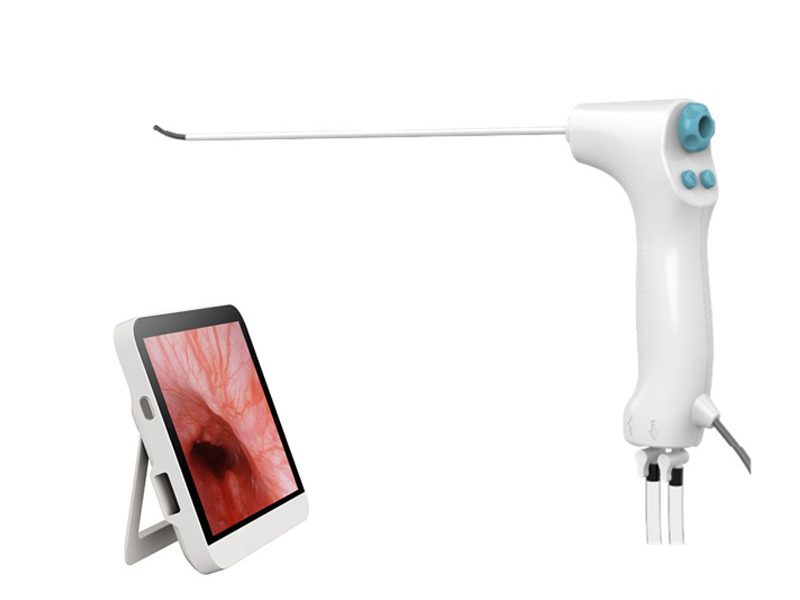
Recurrent pregnancy loss (RPL), defined as two or more consecutive spontaneous abortions, is a distressing condition that affects approximately 1-2% of couples trying to conceive. Multiple factors contribute to RPL, including genetic, anatomical, hormonal, immunological, and infectious causes. Among these, uterine abnormalities play a significant role and can be effectively evaluated using a Flexible Hysteroscope. As a supplier of high – quality flexible hysteroscopes, I have witnessed firsthand how this advanced medical device has revolutionized the diagnosis of uterine issues in women with RPL.
The flexible hysteroscope is an invaluable tool in gynecological examinations. Unlike traditional rigid hysteroscopes, its flexible nature allows for easier navigation through the uterine cavity, providing a clear and detailed view of the uterine walls and other intra – uterine structures. This is particularly important in the context of RPL, as it enables doctors to identify even the subtlest of uterine abnormalities that may otherwise go undetected.
A uterine septum is a common congenital uterine anomaly where a fibrous or muscular partition divides the uterine cavity. It can be either partial or complete. Studies have shown that women with uterine septa have a higher risk of RPL. The flexible hysteroscope can accurately visualize the extent and nature of the septum. By providing a clear view, it helps in determining the most appropriate treatment approach, such as hysteroscopic resection. This minimally invasive procedure can significantly improve the chances of a successful pregnancy in these women.
Asherman’s syndrome occurs when scar tissue forms inside the uterus, usually as a result of uterine surgery, such as dilation and curettage (D&C) after a miscarriage or delivery. These adhesions can distort the uterine cavity, interfere with embryo implantation, and lead to RPL. The flexible hysteroscope allows doctors to directly observe the adhesions, assess their severity, and plan for hysteroscopic adhesiolysis. The ability of the flexible hysteroscope to bend and reach different areas of the uterine cavity ensures a more thorough evaluation and treatment.
Endometrial polyps are growths that develop on the inner lining of the uterus. They are usually benign but can cause problems in pregnancy. Polyps can disrupt the normal implantation process by changing the uterine environment. The flexible hysteroscope provides a magnified view of the polyps, allowing for accurate diagnosis. Once diagnosed, polyps can be removed hysteroscopically, which has been associated with improved pregnancy outcomes in women with RPL.
Submucous fibroids are non – cancerous tumors that grow within the uterine cavity or just beneath the endometrium. They can distort the uterine cavity, reduce the available space for embryo implantation, and cause blood flow disturbances. A flexible hysteroscope can clearly show the size, location, and number of submucous fibroids. Based on the findings, appropriate treatment options, such as hysteroscopic myomectomy, can be considered to increase the chances of a successful pregnancy.
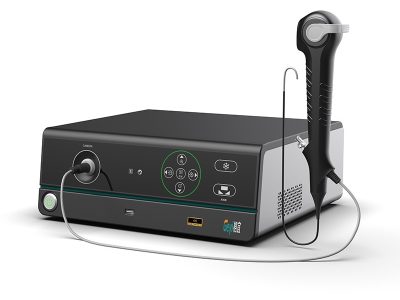
Our Flexible Hysteroscope is equipped with state – of – the – art imaging technology. It provides high – resolution images of the uterine cavity, allowing doctors to make accurate diagnoses. The clear visualization helps in differentiating between various uterine abnormalities, which is crucial for developing an effective treatment plan.
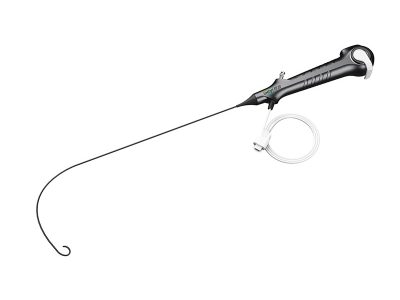
The unique flexible design of our hysteroscope enables it to navigate through the complex anatomy of the female reproductive system with ease. It can reach areas that are difficult to access with rigid instruments, ensuring a comprehensive examination of the uterine cavity. This flexibility also reduces patient discomfort during the procedure.
We understand the importance of having a reliable medical device in a clinical setting. Our flexible hysteroscopes are built to last, with high – quality materials and precision engineering. They are designed to withstand the rigors of regular use, providing consistent performance over time.
Early detection of uterine abnormalities using a flexible hysteroscope can have a profound impact on the management of RPL. Once the underlying uterine issue is identified, appropriate treatment can be initiated promptly. For example, in the case of a uterine septum, hysteroscopic resection can be performed to correct the anatomical defect. This can lead to improved endometrial receptivity and a higher chance of successful embryo implantation. Similarly, the removal of endometrial polyps or submucous fibroids can create a more favorable uterine environment for pregnancy. By addressing these uterine abnormalities early, we can potentially reduce the emotional and physical toll of RPL on women and their families.
In addition to our high – end flexible hysteroscopes, we also offer Portable Hysteroscope. These portable devices are ideal for point – of – care settings, such as in outpatient clinics or in remote areas. They provide similar diagnostic capabilities as our standard flexible hysteroscopes but with the added advantage of portability. This allows for more convenient and timely evaluations of women with RPL, especially in situations where access to a full – scale operating room may be limited.
Uterine abnormalities are a significant contributing factor to recurrent pregnancy loss. The use of a flexible hysteroscope is an essential diagnostic tool in identifying these abnormalities. As a leading supplier of flexible hysteroscopes, we are committed to providing high – quality, reliable, and innovative medical devices to the gynecological community. Our products are designed to improve the accuracy of diagnosis and the effectiveness of treatment for women with RPL.


If you are a medical professional interested in enhancing your diagnostic capabilities for recurrent pregnancy loss or looking to upgrade your existing hysteroscopy equipment, we invite you to contact us for more information. We are ready to discuss your specific needs and provide you with the best solutions for your practice.
 Blog
Blog
 Blog
Blog