What are the differences between 4K and HD laparoscopy systems?
In the realm of modern surgical technology, laparoscopy has revolutionized minimally invasive procedures, offering numerous benefits to patients…
Read article →

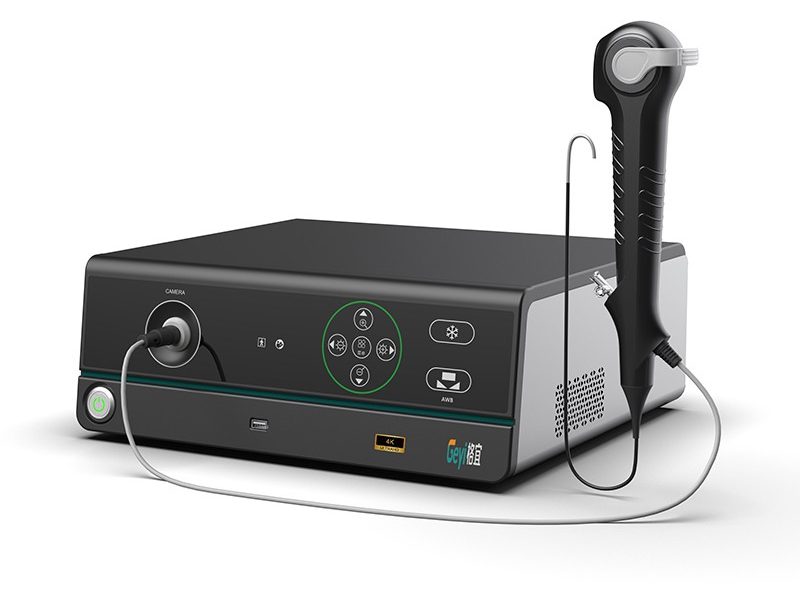
Hey there! As a supplier of Video Endoscopy Systems, I’m super stoked to break down how these amazing devices work in a medical setting. It’s like taking you behind the scenes of a high – tech medical show!
First off, let’s understand what a video endoscopy system is. It’s a tool that doctors use to peek inside our bodies without having to make big incisions. It’s a game – changer in the medical world.
The system mainly consists of three key parts: the endoscope, the camera, and the monitor. The endoscope is this long, flexible tube that can be inserted into different parts of the body, like the digestive tract, lungs, or even through small incisions in the abdomen during laparoscopic surgery.
The endoscope is the real hero here. It’s designed to be as thin and flexible as possible so it can navigate through our body’s twists and turns. At the tip of the endoscope, there are a bunch of important components.
There’s a light source. Without it, it’d be like trying to find your way in a dark cave. The light illuminates the area inside the body, so the camera can actually see what’s going on. Usually, these lights are very bright and energy – efficient, often using LED technology.
Then there’s the lens. The lens is responsible for focusing the image of the internal organs. It’s like the eye of the endoscope. Just like our eyes can adjust to see things up close or far away, the lens on the endoscope can be adjusted to get a clear view of different areas.
Some endoscopes also have working channels. These channels are like little passageways that allow doctors to insert other tools. For example, if they see a polyp in the colon during a colonoscopy, they can use a tool inserted through the working channel to remove it.
The camera in a video endoscopy system is a high – tech piece of equipment. It’s usually very small and is located at the tip of the endoscope.
Modern video endoscopy cameras are capable of capturing high – resolution images and videos. This is crucial because doctors need to be able to see every little detail, like the texture of the tissue, any signs of inflammation, or abnormal growths.
The camera converts the light reflected from the internal organs into an electrical signal. This signal is then sent through the endoscope cable to the processing unit.
There are different types of cameras available. For instance, some 4K Laparoscopy System use 4K technology. 4K cameras can capture incredibly detailed images, almost like you’re looking at the real thing up close. This high – definition imaging helps doctors make more accurate diagnoses and perform more precise procedures.
Once the electrical signal from the camera reaches the processing unit, it gets converted back into an image or video that can be displayed on the monitor.
The monitor is where the doctor gets to see what’s happening inside the patient’s body. It’s like a TV screen, but instead of watching a show, the doctor is watching the internal organs in action.
Monitors used in video endoscopy systems are usually large and have high – quality displays. They can be adjusted for brightness, contrast, and color to make the images as clear as possible. Some monitors are also touch – screen, which makes it easier for doctors to interact with the system, like zooming in on a specific area or taking snapshots of important findings.
Let’s talk about how video endoscopy systems are used in different medical procedures.
One of the most common uses is in gastrointestinal endoscopy. This includes procedures like upper endoscopy and colonoscopy.
During an upper endoscopy, the endoscope is inserted through the mouth and down into the esophagus, stomach, and small intestine. Doctors can check for things like ulcers, tumors, or signs of inflammation.
A colonoscopy is used to examine the large intestine. It’s an important screening tool for colon cancer. The endoscope is inserted through the rectum, and the doctor can look for polyps or other abnormalities. If they find a polyp, they can remove it right then and there using the tools inserted through the working channel.
In laparoscopic surgery, a 4K Medical Endoscope Camera System is often used. Instead of making a large incision, the surgeon makes a few small incisions in the abdomen. The endoscope is inserted through one of these incisions, and it provides a clear view of the internal organs.
The surgeon can then use other surgical tools inserted through the other incisions to perform the surgery. Laparoscopic surgery has many advantages, like less pain, shorter hospital stays, and faster recovery times for the patients.
Bronchoscopy is used to examine the lungs. The endoscope is inserted through the nose or mouth and down into the airways. Doctors can look for things like tumors, infections, or blockages in the lungs.
In recent years, there’s been a rise in the use of Portable Endoscope System. These systems are smaller and more lightweight than traditional ones.
Portable endoscopy systems are great for use in remote areas or in situations where a full – sized system isn’t practical. They can be easily carried around and set up quickly. For example, in a mobile medical unit or during a field mission, a portable endoscope system can be a lifesaver.
As a supplier, we take pride in the quality of our video endoscopy systems. Our systems are designed with the latest technology to provide the best possible image quality.
We offer a wide range of options, from basic systems for routine check – ups to high – end 4K systems for complex surgical procedures. Our endoscopes are made with high – quality materials, so they’re durable and easy to clean.
We also provide excellent customer support. If you have any questions about how to use the system or if you run into any problems, our team of experts is always ready to help.
If you’re a medical professional or a hospital administrator looking to purchase a video endoscopy system, we’d love to hear from you. Whether you need a system for a small clinic or a large – scale hospital, we have the right solution for you.
Contact us to start a conversation about your specific requirements. We can provide you with detailed product information, pricing, and even arrange a demonstration so you can see our systems in action.


 Blog
Blog