Are there any training courses for using a portable cystoscope?
Hey there! As a supplier of Portable Cystoscopes, I often get asked if there are any training courses…
Read article →

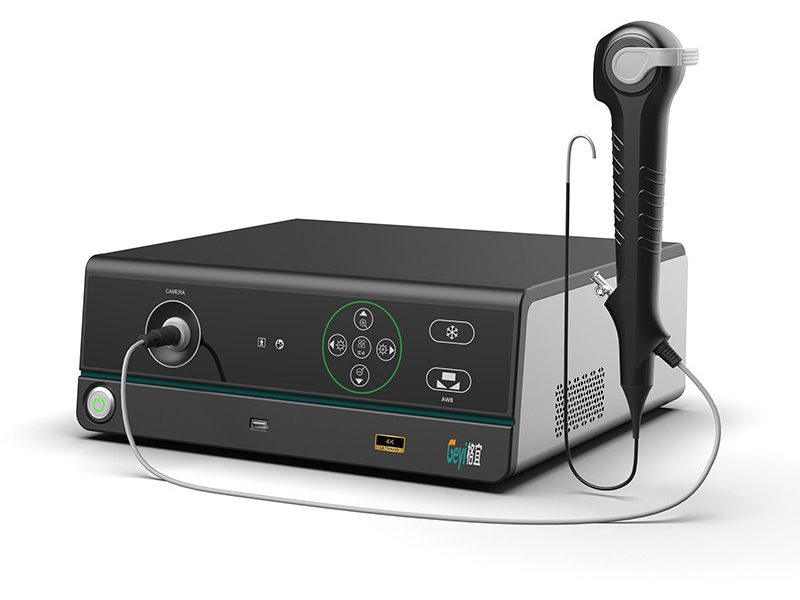
Cleaning a video endoscopy system is a critical process that ensures the longevity of the equipment, maintains high – quality imaging, and most importantly, prevents cross – contamination between patients. As a trusted supplier of video endoscopy systems, we understand the significance of proper cleaning procedures. In this blog, we will guide you through the step – by – step process of cleaning a video endoscopy system.
Before starting the cleaning process, it is essential to gather all the necessary supplies. You will need a soft – bristle brush, a mild detergent specifically designed for medical equipment, lint – free cloths, distilled water, and a cleaning tray. Ensure that you are working in a well – ventilated area to avoid inhaling any fumes from the cleaning agents.
First, turn off the video endoscopy system and unplug it from the power source. This is a crucial safety step to prevent electrical shock during the cleaning process. Carefully remove the endoscope from the camera system. Handle the endoscope with extreme care as it is a delicate piece of equipment. Inspect the endoscope for any visible debris, such as blood, mucus, or tissue fragments. If there is any large debris, gently remove it using a soft – bristle brush.
The external surfaces of the video endoscopy system, including the camera head, light guide, and control unit, should be cleaned regularly. Dampen a lint – free cloth with the mild detergent solution. Wring out the cloth well to avoid excessive moisture. Gently wipe the external surfaces of the equipment, paying special attention to areas that come into contact with hands, such as the control buttons and the grip of the endoscope.
For stubborn stains, you can use a soft – bristle brush to gently scrub the affected area. However, be careful not to scratch the surfaces. After cleaning, rinse the cloth with distilled water and wipe the equipment again to remove any residual detergent. Dry the external surfaces thoroughly with a clean, dry lint – free cloth.
The endoscope is the most critical part of the video endoscopy system, and it requires a more detailed cleaning process. Start by flushing the endoscope channels with distilled water to remove any loose debris. You can use a syringe or a dedicated flushing device for this purpose. Insert the syringe tip into the channel opening and slowly inject the water. Repeat this process several times until the water runs clear.
Next, fill a cleaning tray with the mild detergent solution. Immerse the endoscope in the solution, making sure that all the channels are fully submerged. Use a dedicated endoscope cleaning brush to clean the channels. Insert the brush into the channel and gently move it back and forth to remove any remaining debris. Pay special attention to the distal end of the endoscope, where the lenses and the working channels are located.
After brushing, flush the channels again with distilled water to remove the detergent. Then, soak the endoscope in a disinfectant solution according to the manufacturer’s instructions. The disinfectant solution helps to kill any remaining bacteria, viruses, or fungi. Make sure to follow the recommended soaking time to ensure effective disinfection.
Once the soaking time is complete, flush the channels with distilled water again to remove the disinfectant. Finally, dry the endoscope thoroughly using a drying station or a forced – air dryer. This helps to prevent the growth of mold and bacteria inside the channels.
The camera and light source of the video endoscopy system also need to be cleaned regularly. For the camera, use a lens cleaning solution and a microfiber cloth to clean the camera lens. Gently wipe the lens in a circular motion to remove any smudges or fingerprints. Avoid using abrasive materials that could scratch the lens.
The light source should be cleaned by removing the dust cover and using a compressed air canister to blow out any dust or debris from the ventilation ports. Make sure to hold the canister upright and follow the manufacturer’s instructions to avoid damaging the light source.
After cleaning the video endoscopy system, it is important to perform a quality control check. Inspect the endoscope for any signs of damage, such as cracks, leaks, or malfunctioning components. Check the image quality of the camera by connecting the system to a monitor and observing the video output. If there are any issues, contact our technical support team for assistance.
Regular maintenance of the video endoscopy system is also crucial. Follow the manufacturer’s recommended maintenance schedule, which may include tasks such as replacing worn – out parts, calibrating the camera, and lubricating the moving parts.
Proper cleaning of the video endoscopy system is essential for several reasons. Firstly, it helps to maintain the performance of the equipment. A clean endoscope and camera will provide clear and accurate images, which are crucial for accurate diagnosis and treatment. Secondly, it reduces the risk of cross – contamination between patients. By removing bacteria, viruses, and other pathogens from the equipment, we can prevent the spread of infectious diseases.
Finally, proper cleaning and maintenance can extend the lifespan of the video endoscopy system. This can save your healthcare facility money in the long run by reducing the need for frequent equipment replacement.
Cleaning a video endoscopy system is a complex but necessary process. By following the steps outlined in this blog, you can ensure that your video endoscopy system is clean, disinfected, and in optimal working condition. As a leading supplier of Laparoscopic Camera System, Endoscope Camera System, and Endoscopy Camera System, we are committed to providing you with high – quality products and comprehensive support.
If you have any questions about cleaning or maintaining your video endoscopy system, or if you are interested in purchasing a new system, please feel free to contact us. Our team of experts is ready to assist you with all your video endoscopy system needs.


 Blog
Blog