What are the advantages of using a laser in ureteroscope procedures?
In the field of urological surgery, ureteroscope procedures have witnessed remarkable advancements over the years. One of the…
Read article →

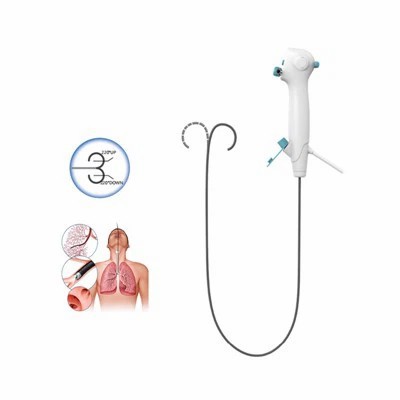
A portable bronchoscope is a valuable medical device that offers flexibility and convenience in various clinical settings. As a trusted supplier of Portable Bronchoscope, we understand the importance of proper maintenance to ensure its optimal performance and longevity. In this blog post, we will discuss the essential maintenance procedures for a portable bronchoscope, providing you with the knowledge and guidance to keep your device in top condition.
Before each use, a thorough pre – use inspection is crucial. First, visually examine the outer sheath of the bronchoscope. Check for any signs of physical damage such as cracks, cuts, or abrasions. Even a small crack can compromise the integrity of the device and lead to fluid leakage or malfunction. Inspect the control section to ensure that all the knobs, buttons, and levers move smoothly. Stiff or jammed controls can affect the maneuverability of the bronchoscope during the examination.
Next, check the light source and the image transmission system. Make sure the light guide is properly connected and that the light emitted is bright and uniform. A dim or flickering light can significantly impact the quality of the visualization. Examine the camera lens for any dirt, smudges, or debris. A dirty lens can distort the image, making it difficult to accurately diagnose the patient’s condition.


Verify the patency of the working channel. Insert a suitable cleaning brush through the channel to check if there are any blockages. Blocked channels can prevent the passage of instruments or the suction of fluids, which are essential functions during a bronchoscopy procedure.
After each use, immediate cleaning is necessary to prevent the buildup of organic matter, such as mucus, blood, or tissue fragments. First, perform a preliminary rinse. Immerse the bronchoscope in a basin filled with lukewarm water and gently move it back and forth to remove any gross debris. This step should be done as soon as possible after the procedure to prevent the drying of the organic matter, which can make it more difficult to remove later.
Then, use an enzymatic cleaner. Enzymatic cleaners are specifically designed to break down proteins, fats, and carbohydrates. Fill a cleaning container with the appropriate enzymatic cleaner according to the manufacturer’s instructions. Submerge the bronchoscope in the cleaner and use a soft – bristled brush to clean the outer surface, the control section, and the working channel. Pay special attention to the areas around the buttons, knobs, and the camera lens.
For the working channel, insert a dedicated cleaning brush and move it in and out several times to ensure thorough cleaning. Suction the enzymatic cleaner through the working channel to clean the internal surfaces. After cleaning with the enzymatic cleaner, rinse the bronchoscope thoroughly with lukewarm water to remove all traces of the cleaner.
Disinfection is a critical step to eliminate pathogens and prevent cross – contamination. There are several methods of disinfection available, and the choice depends on the type of bronchoscope and the clinical requirements.
One common method is high – level disinfection. This can be achieved using chemical disinfectants such as glutaraldehyde, ortho – phthalaldehyde (OPA), or peracetic acid. Immerse the cleaned bronchoscope in the disinfectant solution for the recommended contact time, which is usually specified by the manufacturer. During the immersion, ensure that all parts of the bronchoscope are fully covered by the solution.
Another option is the use of automated endoscope reprocessors (AERs). AERs are designed to clean and disinfect endoscopes in a standardized and controlled manner. They use a combination of detergents, disinfectants, and water to perform the cleaning and disinfection processes. Place the cleaned bronchoscope in the AER and follow the machine’s operating instructions.
After disinfection, rinse the bronchoscope thoroughly with sterile water to remove any residual disinfectant. Residual disinfectant can be harmful to patients if it is not completely removed.
Proper drying is essential to prevent the growth of bacteria and fungi. After rinsing with sterile water, use a clean, lint – free cloth to gently dry the outer surface of the bronchoscope. For the working channel, use a suction device to remove as much water as possible. Then, insert a drying adapter and connect it to a source of filtered, compressed air. Blow air through the working channel for an appropriate period to ensure complete drying.
Place the bronchoscope in a drying cabinet. Drying cabinets are equipped with a fan and a heater to create a dry environment. The temperature and humidity in the drying cabinet should be set according to the manufacturer’s recommendations. Leave the bronchoscope in the drying cabinet until it is completely dry.
Once the bronchoscope is dry, it should be stored properly to maintain its condition. Store the bronchoscope in a dedicated storage cabinet or rack. The storage area should be clean, dry, and well – ventilated. Avoid storing the bronchoscope in areas with high humidity, extreme temperatures, or direct sunlight, as these conditions can damage the device.
Hang the bronchoscope on a suitable hanger to prevent kinking or bending of the flexible parts. Make sure the bronchoscope is not in contact with any sharp or hard objects that could scratch or damage it. If the bronchoscope comes with a protective case, use it for long – term storage.
In addition to the daily cleaning, disinfection, and storage procedures, regular maintenance and calibration are necessary. Schedule periodic maintenance checks by a qualified technician. The technician will inspect the internal components of the bronchoscope, such as the electrical connections, the light source, and the camera system. They will also perform any necessary repairs or replacements of worn – out parts.
Calibration is an important part of the maintenance process. Calibration ensures that the bronchoscope’s image quality, color accuracy, and measurement functions are accurate. The calibration should be performed at regular intervals, as recommended by the manufacturer. This will help to ensure that the bronchoscope provides reliable and consistent results during clinical use.
Implement a quality control program to monitor the performance of the bronchoscope. This can include regular testing of the image quality, the light intensity, and the functionality of the working channel. Use test objects or phantoms to evaluate the bronchoscope’s ability to visualize and measure accurately.
Keep a record of all maintenance activities, including cleaning, disinfection, calibration, and any repairs. These records can be used to track the history of the bronchoscope’s maintenance and to ensure that all necessary procedures are being followed.
Proper maintenance of a portable bronchoscope requires trained staff. Provide comprehensive training to all individuals who are involved in the cleaning, disinfection, and maintenance of the bronchoscope. The training should cover the correct procedures for pre – use inspection, cleaning, disinfection, drying, storage, and calibration.
Ensure that the staff is aware of the safety precautions when handling cleaning agents and disinfectants. They should also be trained to recognize signs of damage or malfunction in the bronchoscope and to report them immediately.
As a supplier of Portable Bronchoscope, we also offer Disposable Bronchoscope and Disposable Bronchoscope options for those who prefer a more convenient and cost – effective solution. Our products are designed to meet the highest quality standards and are backed by our professional technical support.
If you are interested in purchasing our portable bronchoscopes or have any questions about their maintenance, we encourage you to contact us for further discussion. Our team of experts is ready to assist you in finding the best solution for your clinical needs.
 Blog
Blog
 Blog
Blog