What is the long – term outcome of uterine polyp ablation using a flexible hysteroscope?
Uterine polyps are a common gynecological issue that can cause a range of problems, from abnormal bleeding to…
Read article →

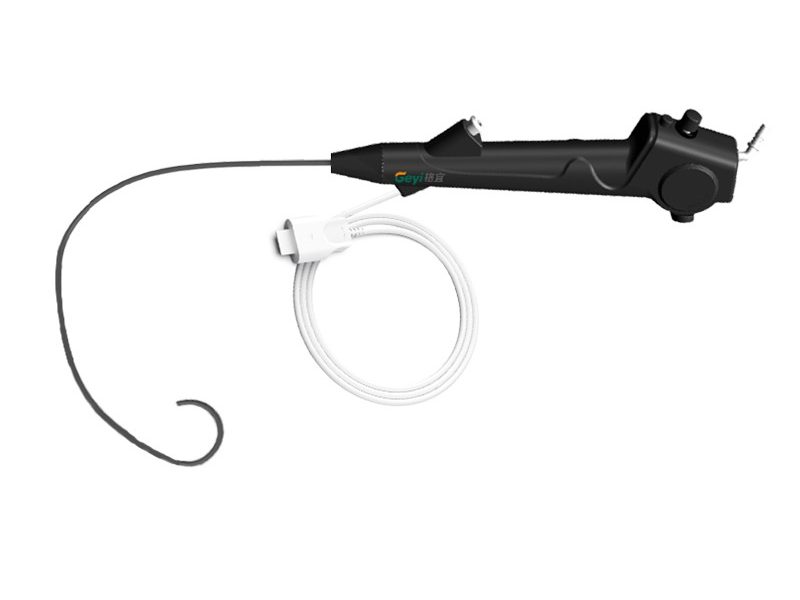
Can a flexible cystoscope be used to detect urethral strictures?
Urethral strictures are a common urological condition that can cause significant discomfort and complications for patients. They occur when the urethra, the tube that carries urine from the bladder out of the body, becomes narrowed or blocked. Detecting urethral strictures accurately is crucial for effective treatment planning. One of the tools that has been considered for this purpose is the flexible cystoscope. As a supplier of flexible cystoscopes, I am often asked about the feasibility and effectiveness of using these devices for detecting urethral strictures. In this blog post, I will explore this topic in detail.
Before delving into the role of flexible cystoscopes in detecting urethral strictures, it’s important to understand what urethral strictures are and what causes them. Urethral strictures can be congenital (present at birth) or acquired. Acquired strictures are more common and can result from a variety of factors, including trauma, infection, inflammation, or the use of catheters. Symptoms of urethral strictures may include difficulty urinating, weak urine stream, frequent urination, and urinary tract infections.
Flexible cystoscopes are medical devices that are used for visualizing the inside of the bladder and urethra. They consist of a thin, flexible tube with a light source and a camera at the end. The flexible nature of the cystoscope allows it to be easily maneuvered through the urethra and into the bladder, providing a direct view of the internal structures. This makes it a valuable tool for diagnosing a variety of urological conditions, including bladder tumors, stones, and infections.
So, can a flexible cystoscope be used to detect urethral strictures? The answer is yes. A flexible cystoscope can provide a clear and detailed view of the urethra, allowing the urologist to identify the presence, location, and severity of a stricture. During the examination, the urologist inserts the cystoscope through the urethral opening and slowly advances it into the urethra. As the cystoscope moves through the urethra, the urologist can visualize the inner lining of the urethra and look for any signs of narrowing or obstruction.
One of the advantages of using a flexible cystoscope for detecting urethral strictures is its ability to provide real-time imaging. This allows the urologist to make an immediate diagnosis and determine the best course of treatment. Additionally, the flexible nature of the cystoscope reduces the risk of trauma to the urethra during the examination, making it a relatively safe and well-tolerated procedure for most patients.
As a supplier of flexible cystoscopes, we offer a range of high-quality products that are designed to meet the needs of urologists and patients. Our flexible cystoscopes are equipped with advanced imaging technology, providing clear and detailed images of the urethra and bladder. They are also designed to be easy to use and maneuver, reducing the risk of complications during the examination.
We offer Single Use Flexible Cystoscope, which eliminates the need for cleaning and sterilization between uses, reducing the risk of cross-contamination. Our Disposable Flexible Cystoscope is also a popular option, providing a cost-effective and convenient solution for urological examinations. Additionally, our Single Use Cystoscope offers the same benefits as our other cystoscopes, with the added advantage of being used only once, ensuring maximum safety and hygiene.
While a flexible cystoscope is a valuable tool for detecting urethral strictures, it does have some limitations. In some cases, the stricture may be too tight to allow the cystoscope to pass through, making it difficult to obtain a complete view of the urethra. Additionally, the presence of blood, mucus, or debris in the urethra can also affect the quality of the images obtained during the examination.


In some situations, other diagnostic tests may be required to confirm the diagnosis of a urethral stricture or to provide more detailed information about its location and severity. These tests may include urethrography, which involves injecting a contrast dye into the urethra and taking X-ray images, or ultrasound, which uses sound waves to create images of the urethra and surrounding tissues.
In conclusion, a flexible cystoscope can be a useful tool for detecting urethral strictures. It provides a direct and detailed view of the urethra, allowing the urologist to make an accurate diagnosis and determine the best course of treatment. However, it is important to note that a flexible cystoscope may not be suitable for all patients or in all cases. Other diagnostic tests may be required to confirm the diagnosis or to provide more detailed information.
If you are a urologist or a healthcare provider interested in learning more about our flexible cystoscopes or would like to discuss potential procurement opportunities, please do not hesitate to contact us. We are committed to providing high-quality products and excellent customer service, and we look forward to working with you to meet your urological examination needs.
 Blog
Blog
 Blog
Blog