How easy is it to operate a single use bronchoscope?
Operating a single – use bronchoscope has become a topic of significant interest in the medical community. As…
Read article →

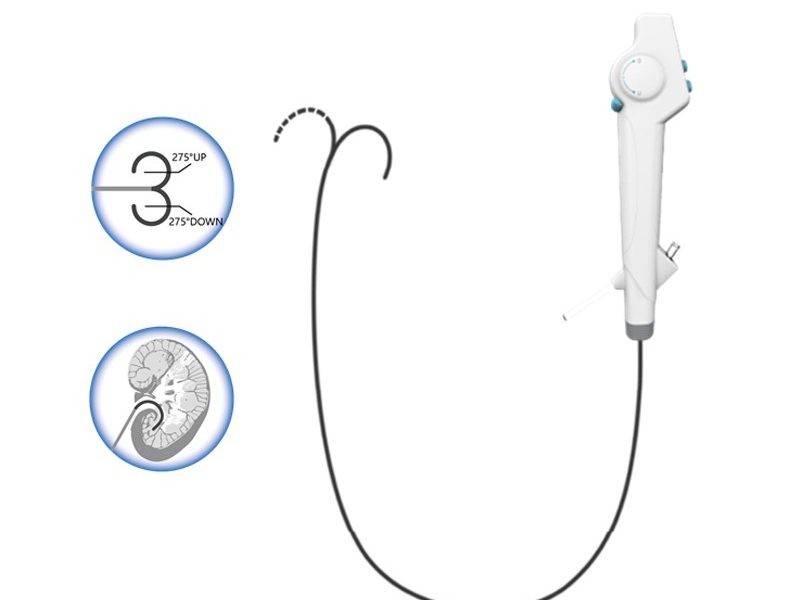
Hey there! As a supplier of high – quality ureteroscopes, I’ve had the chance to interact with a lot of medical professionals and patients. One question that comes up time and time again is, "What is the recovery time after a ureteroscope procedure?" Let’s dig into this topic and find out.
First things first, what exactly is a ureteroscope procedure? Well, it’s a minimally invasive way to diagnose and treat problems in the urinary tract, especially in the ureters and kidneys. A ureteroscope, which we supply in various types like Single Use Ureteroscope, Digital Flexible Ureteroscope, and Disposable Ureteroscope, is a thin, flexible tube with a light and camera on the end. It’s inserted through the urethra and up into the urinary tract.
The recovery time after a ureteroscope procedure can vary quite a bit. There are several factors that play a role in how long it takes for a patient to get back on their feet.
The nature of the ureteroscope procedure makes a big difference. If it’s just a diagnostic procedure, where the doctor is simply using the ureteroscope to take a look around and see what’s going on, the recovery is usually pretty quick. Most patients can go home the same day or the next day. They might feel a bit of discomfort, like a burning sensation when they pee or some mild pain in the lower abdomen. This usually goes away within a few days.
On the other hand, if the procedure is therapeutic, like removing a kidney stone or treating a tumor, the recovery time will be longer. For example, when removing a large kidney stone, the doctor might need to break it into smaller pieces using a laser. This can cause more irritation to the urinary tract, and the patient may need to stay in the hospital for a few days. After that, it can take up to a couple of weeks for the body to fully recover.
A patient’s general health also has a huge impact on recovery. If a patient is young and in good shape, with no other underlying health conditions, they’re likely to bounce back faster. Their immune system is stronger, and their body can heal more efficiently.
However, if a patient has other health problems like diabetes, heart disease, or a weakened immune system, the recovery process can be slower. These conditions can make it harder for the body to fight off infections and repair damaged tissues. For instance, diabetes can affect blood circulation and slow down wound healing, so patients with diabetes may take longer to recover from a ureteroscope procedure.
Sometimes, complications can arise during or after the procedure, which can significantly extend the recovery time. Complications can include bleeding, infection, or damage to the urinary tract.
Bleeding is one of the more common complications. A little bit of blood in the urine is normal after a ureteroscope procedure, but if there’s heavy bleeding, it can be a cause for concern. The doctor may need to take additional steps to stop the bleeding, which can delay the patient’s recovery.
Infection is another serious complication. If bacteria enter the urinary tract during the procedure, it can lead to a urinary tract infection (UTI) or even a more severe kidney infection. Treating an infection usually involves a course of antibiotics, and it can take a week or more for the infection to clear up completely.
Right after the ureteroscope procedure, the patient will be monitored in the recovery area for a few hours. They’ll be given fluids and pain medication as needed. Most patients will feel groggy from the anesthesia, and they may have a small tube called a ureteral stent in place. This stent helps to keep the ureter open and allows urine to flow freely.
During this time, the patient might experience some discomfort, such as pain in the lower abdomen, a feeling of pressure, or a burning sensation when they pee. The medical staff will keep an eye on the patient’s vital signs, including their blood pressure, heart rate, and urine output.


In the first few days after the procedure, the patient will usually be advised to rest at home. They should drink plenty of water to help flush out the urinary tract and prevent infections. Mild pain and discomfort are normal, but if the pain gets worse or if there are signs of infection, like fever or chills, the patient should contact their doctor right away.
Most patients can resume light activities, like walking around the house, within a day or two. However, they should avoid strenuous activities, such as heavy lifting or exercise, for at least a week.
By the end of the first week, most of the initial discomfort should have subsided. The patient may still have a ureteral stent in place, which can cause some irritation and a feeling of urgency to urinate. They’ll need to follow up with their doctor for a check – up to see how the recovery is progressing.
If everything is going well, the doctor may remove the ureteral stent during this visit. Removing the stent is usually a quick and relatively painless procedure, but the patient may feel some discomfort for a short time afterward.
In the second to fourth week after the procedure, the patient should gradually start to feel better and better. They can usually resume their normal activities, but they may still need to take it easy for a while. It’s important to listen to their body and not overdo it.
By the end of the fourth week, most patients should be fully recovered. However, it’s still a good idea to have a follow – up appointment with the doctor to make sure everything is okay.
This is crucial. The doctor will give the patient specific instructions on things like taking medications, caring for the ureteral stent (if in place), and when to resume normal activities. Following these instructions carefully can help ensure a smooth and speedy recovery.
Drinking plenty of water is essential. It helps to flush out the urinary tract and prevent infections. The patient should aim to drink at least 8 – 10 glasses of water a day.
A balanced diet rich in fruits, vegetables, and whole grains can provide the nutrients the body needs to heal. Foods high in vitamin C, like oranges and strawberries, can help boost the immune system, while foods rich in fiber, like bran and oats, can prevent constipation, which can put extra pressure on the urinary tract.
Giving the body enough time to rest is important. The patient should avoid stress and get plenty of sleep. Taking short naps during the day can also help with recovery.
As a ureteroscope supplier, we understand the importance of providing high – quality equipment for these procedures. Our Single Use Ureteroscope, Digital Flexible Ureteroscope, and Disposable Ureteroscope are designed to be reliable and effective, which can contribute to a successful procedure and a better recovery for patients.
If you’re a medical professional interested in purchasing our ureteroscopes, or if you have any questions about our products, we’d love to hear from you. We’re always ready to have a chat about how our ureteroscopes can meet your needs and improve patient outcomes.
 Blog
Blog
 Blog
Blog