How is the size of a ureteroscope determined?
Hey there! As a supplier of ureteroscopes, I often get asked about how the size of a ureteroscope…
Read article →

Bronchoscopy is a medical procedure that allows doctors to examine the inside of the airways and lungs. It is a valuable diagnostic and therapeutic tool, but like any medical procedure, it is not without risks. As a supplier of bronchoscopes, I understand the importance of providing accurate information about these risks to both medical professionals and patients. In this blog post, I will discuss the potential risks associated with bronchoscopy, the factors that can influence these risks, and how our high – quality bronchoscopes can contribute to minimizing them.
One of the most common risks of bronchoscopy is bleeding. During the procedure, the bronchoscope may cause minor trauma to the delicate tissues of the airways. In most cases, the bleeding is minor and stops on its own. However, in some situations, particularly when biopsies are taken, more significant bleeding can occur. The risk of bleeding can be influenced by the patient’s underlying medical conditions, such as blood clotting disorders or the use of blood – thinning medications.
There is a risk of introducing infection into the lungs during bronchoscopy. This can happen if the bronchoscope is not properly cleaned and disinfected between uses. Infections can range from mild respiratory infections to more severe cases of pneumonia. To reduce this risk, strict infection control protocols must be followed, including the proper cleaning, disinfection, and sterilization of the bronchoscope. Our Disposable Bronchoscope offers a solution to minimize the risk of cross – infection as it is used only once and then discarded.


Pneumothorax, or a collapsed lung, is a less common but serious complication of bronchoscopy. It can occur when the bronchoscope accidentally punctures the lung tissue, allowing air to leak into the space between the lung and the chest wall. Symptoms of pneumothorax include sudden chest pain and shortness of breath. Patients with underlying lung diseases, such as emphysema, may be at a higher risk of developing pneumothorax during bronchoscopy.
Many bronchoscopy procedures are performed under sedation to make the patient more comfortable. However, there are risks associated with sedation. These can include allergic reactions to the sedative medications, respiratory depression (slowed or shallow breathing), and low blood pressure. The patient’s overall health, age, and any pre – existing medical conditions can affect the likelihood and severity of these reactions.
Manipulation of the bronchoscope through the larynx and trachea can cause injury to these structures. This can result in swelling, pain, and difficulty breathing. In rare cases, it can lead to long – term complications such as vocal cord damage or airway stenosis.
Several factors can influence the risks associated with bronchoscopy.
Patients with pre – existing medical conditions, such as chronic obstructive pulmonary disease (COPD), heart disease, or diabetes, are generally at a higher risk of complications during bronchoscopy. Their bodies may have a reduced ability to tolerate the stress of the procedure, and they may be more prone to developing infections or other complications.
The experience and skill of the bronchoscopist play a crucial role in minimizing the risks. An experienced operator is more likely to perform the procedure smoothly, reducing the chances of accidental injury to the airways or lungs. They are also better able to recognize and manage any complications that may arise during the procedure.
The type of bronchoscopy being performed can also affect the risks. For example, a diagnostic bronchoscopy may carry a lower risk compared to a therapeutic bronchoscopy, which may involve more invasive procedures such as the removal of tumors or the placement of stents.
Our company is committed to providing high – quality bronchoscopes that can help minimize the risks associated with bronchoscopy.
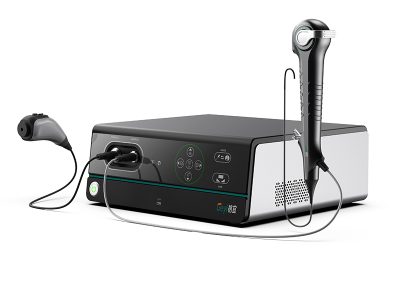
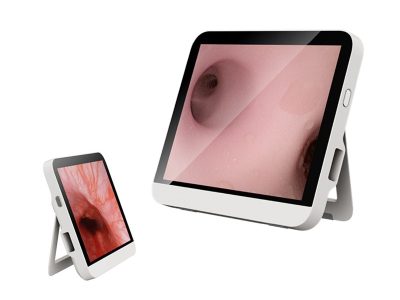
Our Flexible Video Bronchoscope is designed with high – quality materials and advanced technology. The flexible design allows for easier navigation through the airways, reducing the likelihood of trauma to the delicate tissues. The high – resolution video capabilities provide clear images, enabling the bronchoscopist to perform the procedure more accurately and safely.
As mentioned earlier, our Disposable Bronchoscope and Disposable Fiberoptic Bronchoscope eliminate the risk of cross – infection. They are pre – sterilized and ready to use, ensuring a high level of safety for the patient.
We offer comprehensive training and support to medical professionals using our bronchoscopes. This includes training on proper handling, cleaning, and maintenance of the equipment, as well as guidance on performing bronchoscopy procedures safely. By ensuring that the operators are well – trained, we can further reduce the risks associated with the use of our bronchoscopes.
While bronchoscopy is a valuable medical procedure, it is important to be aware of the potential risks. By understanding these risks and taking appropriate precautions, such as using high – quality bronchoscopes, following strict infection control protocols, and ensuring the experience of the operator, the risks can be minimized.
If you are a medical institution or a healthcare provider interested in our high – quality bronchoscopes, we invite you to contact us for more information and to discuss your procurement needs. We are dedicated to providing you with the best products and services to support safe and effective bronchoscopy procedures.
 Blog
Blog
 Blog
Blog