How does a hysteroscope help in diagnosing uterine polyps?
Uterine polyps are common benign growths that develop in the lining of the uterus, known as the endometrium.…
Read article →

As a supplier of endoscope monitors, I often receive inquiries about the versatility of our products. One common question that comes up is whether an endoscope monitor can be used for hysteroscopy. In this blog post, I will delve into this topic, exploring the technical aspects, benefits, and considerations when using an endoscope monitor for hysteroscopy.
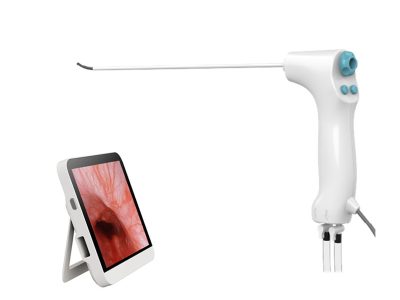
Hysteroscopy is a minimally invasive procedure that allows doctors to examine the inside of the uterus. It involves inserting a thin, lighted tube called a hysteroscope through the vagina and cervix into the uterus. The hysteroscope is equipped with a camera that captures real – time images of the uterine cavity, which are then displayed on a monitor for the doctor to analyze. This procedure is used for various diagnostic and therapeutic purposes, such as detecting uterine polyps, fibroids, abnormal bleeding, and performing minor surgical procedures within the uterus.
Endoscope monitors are designed to display high – quality images captured by endoscopes. They play a crucial role in providing clear and detailed visuals to the medical team during endoscopic procedures. These monitors are typically equipped with advanced features such as high resolution, adjustable brightness and contrast, and the ability to connect to different types of endoscopes.
Most modern endoscope monitors are compatible with hysteroscopes. They can receive the video signal from the hysteroscope’s camera and display it on the screen. The key is to ensure that the monitor has the appropriate input ports to connect to the hysteroscope. Common input types include HDMI, DVI, and VGA. As long as the hysteroscope has an output that matches one of these input ports on the monitor, they can be easily connected.
Endoscope monitors are engineered to provide sharp, clear, and accurate images. This is essential for hysteroscopy, as doctors need to be able to identify small abnormalities or structures within the uterine cavity. A high – resolution monitor can display fine details, making it easier for doctors to make accurate diagnoses and perform procedures safely. For example, a monitor with a resolution of 1920×1080 pixels or higher can show the texture of the uterine lining and the presence of small polyps more clearly.
Endoscope monitors often come with adjustable settings for brightness, contrast, color saturation, and sharpness. These settings can be customized according to the specific requirements of the hysteroscopy procedure. For instance, if the uterine cavity has a lot of blood or debris, increasing the contrast can help to improve the visibility of the underlying structures.
Some endoscope monitors support multiple viewing modes, such as split – screen or picture – in – picture. This can be useful during hysteroscopy, especially when comparing different areas of the uterine cavity or when using additional imaging modalities simultaneously.
At our company, we offer a range of endoscope monitors suitable for hysteroscopy and other endoscopic procedures. Our Medical Endoscope Monitor is a high – performance device that provides excellent image quality. It features a large, high – resolution display and is equipped with multiple input ports, making it compatible with a wide variety of hysteroscopes.
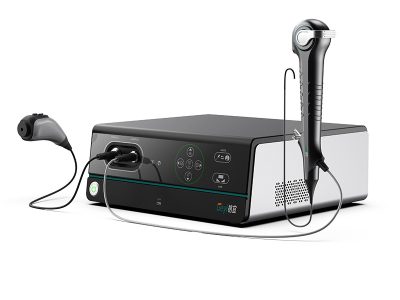
In addition to the monitor, we also offer Portable Image Processor With Build – in Battery. This device can enhance the image quality captured by the hysteroscope. It has built – in image processing algorithms that can adjust the color, contrast, and sharpness of the images in real – time. The built – in battery also provides flexibility, allowing for use in different clinical settings.


Our Endoscope Image Processor is another valuable addition to the hysteroscopy setup. It can process the video signal from the hysteroscope, providing features such as image enhancement, measurement tools, and the ability to store and retrieve images for later review.
During hysteroscopy, it is crucial to maintain a sterile environment. The endoscope monitor itself does not come into direct contact with the patient, but the cables and connectors used to connect it to the hysteroscope need to be properly cleaned and disinfected. It is important to follow the manufacturer’s guidelines for cleaning and maintenance to prevent the spread of infection.
To ensure accurate diagnosis, the endoscope monitor needs to be properly calibrated. This includes adjusting the color, contrast, and brightness settings to match the true appearance of the tissues inside the uterine cavity. Regular calibration checks should be performed to maintain the accuracy of the images.
Medical staff need to be trained on how to use the endoscope monitor effectively. This includes understanding the different settings, how to connect the monitor to the hysteroscope, and how to interpret the images displayed on the screen. Proper training can improve the efficiency and safety of the hysteroscopy procedure.
In conclusion, an endoscope monitor can indeed be used for hysteroscopy. It provides high – quality visuals, adjustable settings, and multiple viewing options that are essential for accurate diagnosis and safe procedures. Our range of endoscope monitors, image processors, and related products are designed to meet the specific needs of hysteroscopy and other endoscopic procedures.
If you are interested in learning more about our products or would like to discuss your requirements for hysteroscopy equipment, please feel free to contact us. We are committed to providing the best medical equipment solutions to our customers.
 Blog
Blog
 Blog
Blog