A neurogenic bladder is a condition in which the nerves that control the bladder do not function properly, leading to problems with urination. It can result from various neurological disorders, such as spinal cord injuries, multiple sclerosis, and diabetes. One of the diagnostic and therapeutic tools commonly used in patients with a neurogenic bladder is a flexible cystoscope. In this blog, we’ll explore how a flexible cystoscope works in patients with a neurogenic bladder and why it’s a valuable asset for healthcare providers. As a leading supplier of Flexible Cystoscope, we’re well – versed in the functionality and benefits of these devices.

Understanding the Basics of a Flexible Cystoscope
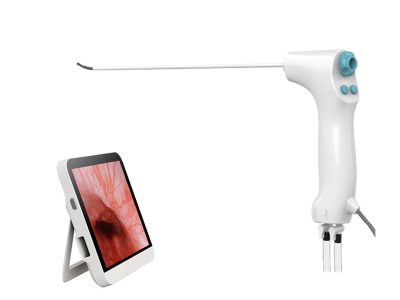
A flexible cystoscope is a thin, tubular instrument equipped with a light source and a camera at its tip. It is designed to be inserted through the urethra into the bladder, allowing doctors to visualize the inside of the bladder and the urethra. Unlike rigid cystoscopes, flexible cystoscopes can bend and maneuver around the natural curves of the urinary tract, providing a more comprehensive view and causing less discomfort to the patient.

The Procedure of Using a Flexible Cystoscope in Neurogenic Bladder Patients
- Preparation: Before the procedure, the patient is usually asked to empty their bladder. A local anesthetic gel is then applied to the urethra to numb the area and reduce discomfort during insertion. The patient is positioned on an examination table, typically in a lithotomy position (lying on the back with the legs bent and supported).
- Insertion: The flexible cystoscope is gently inserted through the urethral opening and advanced slowly into the bladder. The doctor can use the controls on the handle of the cystoscope to bend the tip of the instrument in different directions, allowing it to navigate around the curves of the urethra and reach the bladder.
- Visualization: Once the cystoscope is inside the bladder, the doctor can view the bladder wall, the openings of the ureters (the tubes that carry urine from the kidneys to the bladder), and other structures on a monitor connected to the cystoscope. This real – time visualization helps in detecting various abnormalities, such as tumors, stones, inflammation, or signs of nerve – related damage in the bladder.
- Diagnostic and Therapeutic Interventions: In addition to visual inspection, a flexible cystoscope can be used for diagnostic and therapeutic purposes. For example, small tissue samples (biopsies) can be taken from the bladder wall for further analysis. In some cases, the doctor may also use the cystoscope to remove small bladder stones or place a stent to relieve obstruction.
How a Flexible Cystoscope Helps in Neurogenic Bladder Management
- Accurate Diagnosis: In patients with a neurogenic bladder, accurate diagnosis is crucial for developing an appropriate treatment plan. A flexible cystoscope allows doctors to directly visualize the bladder and detect any anatomical or pathological changes that may contribute to the patient’s symptoms. For example, it can identify bladder diverticula (pouches in the bladder wall), which are more common in neurogenic bladder patients and can cause urinary stasis and infection.
- Monitoring Treatment Progress: After initiating treatment for a neurogenic bladder, such as medications, catheterization, or surgery, a flexible cystoscope can be used to monitor the response to treatment. It can help doctors assess changes in the bladder wall, the presence of any new abnormalities, or the effectiveness of interventions like stent placement.
- Minimally Invasive Approach: Compared to traditional surgical procedures, using a flexible cystoscope is a minimally invasive approach. It reduces the risk of complications, such as bleeding, infection, and damage to surrounding tissues. This is particularly important for patients with a neurogenic bladder, who may already have compromised immune systems or other comorbidities.
Advantages of Our Flexible Cystoscopes
As a supplier of Flexible Cystoscope, we offer a range of high – quality devices with several advantages:

- Advanced Imaging Technology: Our cystoscopes are equipped with state – of – the – art imaging systems that provide clear and detailed images of the urinary tract. This allows for more accurate diagnosis and better decision – making during the procedure.
- Enhanced Flexibility: The flexible design of our cystoscopes enables easy maneuverability through the complex anatomy of the urethra and bladder. Doctors can reach difficult – to – access areas, ensuring a thorough examination.
- Patient Comfort: We understand the importance of patient comfort during the procedure. Our cystoscopes are designed with smooth surfaces and a thin diameter to minimize discomfort during insertion and examination.
Different Types of Cystoscopes We Offer
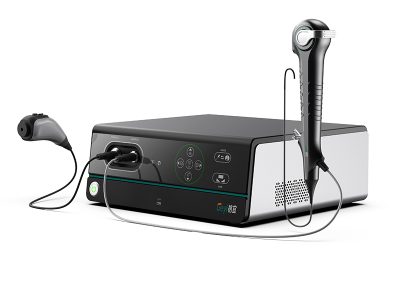
- Portable Cystoscope: Our portable cystoscopes are lightweight and easy to transport, making them ideal for use in different clinical settings, such as outpatient clinics or remote healthcare facilities. They offer the same high – quality imaging and functionality as our standard cystoscopes.
- Single Use Flexible Cystoscope: Single – use cystoscopes eliminate the need for reprocessing, reducing the risk of cross – contamination and ensuring patient safety. They are a convenient option for healthcare providers who want to streamline their workflow and minimize the potential for infections.
Contact Us for Your Cystoscope Needs
If you’re a healthcare provider looking for high – quality flexible cystoscopes for your patients with neurogenic bladders, we’re here to help. Our team of experts can provide you with detailed information about our products, answer your questions, and assist you in making the right choice for your practice. Whether you need a standard flexible cystoscope, a portable option, or a single – use device, we have the solutions to meet your needs.

References
- Abrams, P., Cardozo, L., Fall, M., et al. (2002). The standardization of terminology of lower urinary tract function: report from the Standardization Sub – Committee of the International Continence Society. Neurourology and Urodynamics, 21(2), 167 – 178.
- Fowler, C. J., Griffiths, D., & de Groat, W. C. (2008). The neural control of micturition. Nature Reviews Neuroscience, 9(4), 263 – 278.
- Madersbacher, S., & Schurch, B. (2004). Management of the neurogenic bladder. European Urology, 46(3), 306 – 317.

 Blog
Blog
 Blog
Blog