Can I have sex after a flexible hysteroscopy?
Hey there! So, you’ve just had a flexible hysteroscopy and you’re probably wondering, "Can I have sex after…
Read article →

Can a cystoscope be used to evaluate the function of the bladder neck? Well, that’s a question I’ve been asked quite a bit lately, especially since I’m in the business of supplying cystoscopes. So, let’s dive right in and explore this topic.
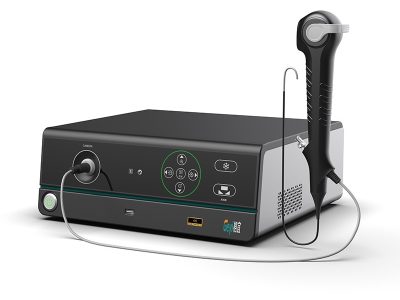
First off, what’s a cystoscope? For those who aren’t in the medical field, a cystoscope is a thin tube-like instrument with a light and a camera on the end. It’s used to look inside the bladder and the urethra. There are different types of cystoscopes out there, like the Disposable Flexible Cystoscope, the Disposable Cystoscope, and the Flexible Cystoscope. Each has its own advantages and is suitable for different situations.
Now, onto the bladder neck. The bladder neck is a crucial part of the urinary system. It’s the area where the bladder connects to the urethra, and it plays a big role in controlling the flow of urine. When it comes to evaluating the function of the bladder neck, doctors have a few different methods at their disposal. One of those methods is using a cystoscope.
So, can a cystoscope really evaluate the function of the bladder neck? The short answer is yes, but it’s not that simple. A cystoscope can give doctors a visual inspection of the bladder neck. They can look for any physical abnormalities, like tumors, strictures, or inflammation. This visual information is really valuable because it can help doctors diagnose certain conditions that might be affecting the bladder neck.
For example, if a patient is having trouble urinating, a cystoscope can show if there’s a blockage at the bladder neck. It can also help doctors see if the bladder neck is closing properly when the bladder is full. This is important because if the bladder neck doesn’t close properly, it can lead to urinary incontinence.
But here’s the thing. While a cystoscope can provide a lot of useful information about the structure of the bladder neck, it has its limitations when it comes to evaluating function. Function is all about how the bladder neck works, and that’s a bit more complicated. A cystoscope can’t directly measure things like the pressure in the bladder neck or the strength of the muscles that control it.
To get a better understanding of the function of the bladder neck, doctors often use other tests in combination with a cystoscopy. One common test is urodynamic testing. This test measures the pressure and flow of urine in the bladder and urethra. It can give doctors a more detailed picture of how the bladder neck is functioning.
Another test is electromyography (EMG). This test measures the electrical activity of the muscles around the bladder neck. It can help doctors see if the muscles are working properly and if there are any nerve problems that might be affecting the function of the bladder neck.
So, while a cystoscope is a valuable tool for evaluating the bladder neck, it’s usually just one part of the diagnostic process. It’s like having a piece of a puzzle. You need all the pieces to get the whole picture.
As a cystoscope supplier, I know how important it is for doctors to have access to high-quality cystoscopes. That’s why we offer a range of cystoscopes, including the Disposable Flexible Cystoscope, the Disposable Cystoscope, and the Flexible Cystoscope. Our cystoscopes are designed to provide clear and detailed images, making it easier for doctors to evaluate the bladder neck and other parts of the urinary system.

If you’re a medical professional and you’re interested in learning more about our cystoscopes or you’re looking to make a purchase, I encourage you to get in touch. We’re always happy to answer any questions you might have and help you find the right cystoscope for your needs. Whether you’re doing routine check-ups or more complex procedures, our cystoscopes can be a valuable addition to your practice.
In conclusion, a cystoscope can be used to evaluate the function of the bladder neck to some extent. It can provide valuable visual information about the structure of the bladder neck, but it’s usually used in combination with other tests to get a complete understanding of its function. And if you’re in the market for a cystoscope, we’ve got you covered.

References
 Blog
Blog