What is the size of a typical Choledochoscope?
The choledochoscope is an essential medical device used in diagnosing and treating diseases of the bile ducts. As…
Read article →

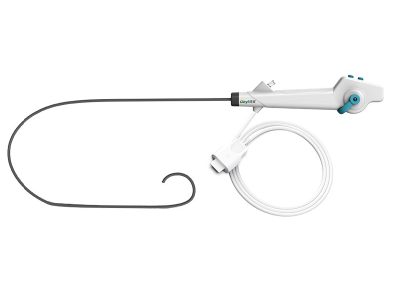
Hey there! As a supplier of Single Use Bronchoscopes, I often get asked about the proper storage conditions for these nifty medical devices. In this blog, I’m gonna break down everything you need to know about storing single use bronchoscopes to keep ’em in tip – top shape.

First off, let’s understand why proper storage is so important. Single use bronchoscopes are precision instruments. They’re used in delicate medical procedures, and any damage or degradation due to improper storage can affect their performance. This can lead to inaccurate diagnoses and potentially compromise patient safety. So, getting the storage right is a big deal.

One of the key factors in storing single use bronchoscopes is temperature. These devices should be stored in a cool, dry place. The ideal temperature range is between 10°C and 30°C (50°F and 86°F). Why this range? Well, if it’s too cold, the materials that make up the bronchoscope can become brittle. This can lead to cracks or breaks in the delicate components, like the fiber – optic cables or the outer sheath. On the other hand, if it’s too hot, the materials can start to warp or degrade. This can affect the flexibility and functionality of the bronchoscope.
For example, if you store a bronchoscope in a place where the temperature regularly goes above 30°C, say in a storage room near a heating unit, the plastic parts might start to soften. This can cause the bronchoscope to lose its shape, making it difficult to insert and maneuver during a procedure. So, always make sure to choose a storage area with a stable temperature within the recommended range.
Humidity is another crucial aspect. Single use bronchoscopes should be stored in an environment with low humidity. The relative humidity should be kept between 30% and 70%. High humidity can lead to the growth of mold and mildew on the bronchoscope. These microorganisms can not only damage the device but also pose a risk to patients if the contaminated bronchoscope is used.

Imagine a storage closet in a basement where the humidity is constantly high. Over time, the bronchoscope stored there will start to develop a thin layer of mold. This can block the channels in the bronchoscope, affecting the flow of air and fluids, and also contaminate the samples collected during a procedure. To control humidity, you can use dehumidifiers in the storage area. They’re relatively inexpensive and can make a huge difference in maintaining the right conditions for your bronchoscopes.
Exposure to light can also have an impact on single use bronchoscopes. Prolonged exposure to direct sunlight or strong artificial light can cause the materials to fade and degrade. The fiber – optic cables, which are essential for transmitting images, can be particularly affected. Ultraviolet (UV) light in sunlight can break down the polymers in the cables, reducing their ability to transmit light effectively.

So, it’s best to store bronchoscopes in a dark place or in opaque containers. If you’re using a storage cabinet, make sure it has doors that block out light. This simple step can significantly extend the shelf – life of your bronchoscopes.
The original packaging of single use bronchoscopes is designed to protect them during storage and transportation. It’s important to keep the bronchoscope in its original packaging until it’s ready to be used. The packaging provides a barrier against dust, moisture, and physical damage.
If you need to move the bronchoscope from one location to another, do it while it’s still in the packaging. And if you notice any damage to the packaging, like tears or holes, it’s a good idea to inspect the bronchoscope carefully before use. Sometimes, damage to the packaging can indicate that the bronchoscope inside has also been compromised.
Even during storage, proper handling is crucial. Bronchoscopes should be stored in a way that they’re not bent or twisted. They should be laid flat or stored in a vertical position in a dedicated holder. Avoid stacking heavy objects on top of the bronchoscope packaging, as this can cause damage to the device inside.
When you’re retrieving a bronchoscope from storage, handle it gently. Rough handling can cause internal components to shift or break. Remember, these are delicate instruments, and a little care goes a long way.
Single use bronchoscopes have a shelf life, which is usually indicated on the packaging. It’s important to pay attention to this date and use the bronchoscope before it expires. Over time, the materials in the bronchoscope can degrade, even if it’s stored under the right conditions. Using an expired bronchoscope can be risky, as its performance may not be reliable.
There are various storage solutions available for single use bronchoscopes. You can use dedicated medical storage cabinets that are designed to maintain the right temperature and humidity. These cabinets often come with adjustable shelves and compartments, making it easy to organize your bronchoscopes.
Another option is to use storage boxes with desiccant packs to control humidity. These boxes can be a more cost – effective solution, especially if you have a small number of bronchoscopes to store.
As a supplier of Single Use Bronchoscopes, I understand the importance of proper storage. That’s why we also offer advice and guidance on how to store our products correctly. We want to make sure that when you purchase our Disposable Bronchoscopes or Disposable Fiberoptic Bronchoscopes, you can use them with confidence, knowing that they’ve been stored in the best possible conditions.
If you’re in the market for high – quality single use bronchoscopes and want to learn more about their storage and usage, don’t hesitate to reach out. We’re here to help you make the right choices for your medical facility. Whether you’re a small clinic or a large hospital, we can provide the products and support you need.
So, that’s all about the storage conditions for single use bronchoscopes. I hope this blog has been helpful to you. If you have any questions or need more information, feel free to get in touch and let’s start a conversation about your procurement needs.
 Blog
Blog