Can an endoscope camera system be used for food inspection?
Can an endoscope camera system be used for food inspection? That’s a question I’ve been getting a lot…
Read article →

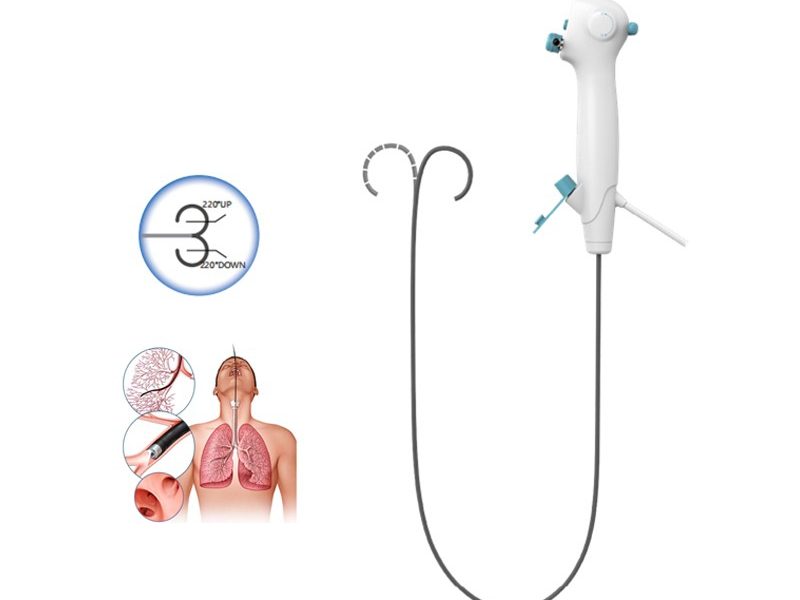
Embarking on a bronchoscopy journey can be both a bit intimidating and filled with questions. As someone deeply involved in the field as a bronchoscope supplier, I’ve witnessed firsthand the range of emotions and uncertainties patients and medical professionals experience. In this blog, I’ll walk you through what you can expect during a bronchoscopy procedure, from the pre – examination preparations to the post – procedure care.
The first step in a bronchoscopy is a detailed consultation with your healthcare provider. They will review your medical history, including any pre – existing conditions such as heart problems, lung diseases, or allergies. This information is crucial as it helps in assessing your overall health and determining the potential risks associated with the procedure. For example, if you’re allergic to anesthesia, your doctor will need to take extra precautions or choose an alternative anesthetic option.
Typically, you’ll be required to undergo a series of pre – procedure tests. These may include blood tests to check your clotting ability, chest X – rays to get a preliminary view of your lungs, and electrocardiograms (ECGs) to assess your heart function. These tests ensure that you’re in a stable condition to undergo the bronchoscopy safely.
In many cases, you’ll be asked to fast for a few hours before the procedure. This is to prevent aspiration, which is the inhalation of stomach contents into the lungs during the bronchoscopy. Fasting usually starts 6 to 8 hours before the scheduled time of the procedure, but your doctor will provide you with specific instructions based on your individual situation.
Before the bronchoscopy, you’ll be asked to sign an informed consent form. This document explains the purpose of the procedure, its potential risks and benefits, and any possible alternatives. It’s important to read this form carefully and ask any questions you may have before signing it. If you’re unsure about anything, don’t hesitate to discuss it with your doctor.
The type of anesthesia used during a bronchoscopy depends on the type of bronchoscopy being performed and your overall health. There are two main types of anesthesia: local and general.
Once the anesthesia has taken effect, the doctor will insert a bronchoscope through your nose or mouth and into your airway. The bronchoscope is a thin, flexible tube equipped with a light and a camera at its tip, allowing the doctor to visualize the inside of your lungs. There are different types of bronchoscopes available in the market, each with its unique features. For a more cost – effective and hygienic option, you can explore the Disposable Bronchoscope. If portability is a key requirement, the Portable Bronchoscope might be the ideal choice. And for procedures that demand high flexibility, the Bronchoscope Flexible can provide the necessary maneuverability.
As the bronchoscope is advanced through your airway, the doctor will carefully examine the trachea, bronchi, and bronchioles. They’ll look for any abnormalities such as tumors, infections, or blockages. If necessary, the doctor may take samples of tissue or fluid from the lungs. This can be done using special tools that are passed through the bronchoscope. These samples are then sent to a laboratory for further analysis, which can help in making a more accurate diagnosis.
The duration of a bronchoscopy can vary depending on the complexity of the case. A simple diagnostic bronchoscopy usually takes about 30 minutes to an hour, while a more complex procedure with tissue sampling may take longer, up to two hours.
Even with anesthesia, you may still experience some sensations during the procedure. With local anesthesia, you may feel a sense of pressure or fullness in your nose or throat as the bronchoscope is inserted. You may also have a cough reflex, but your doctor will try to minimize this discomfort. If you’re under general anesthesia, you won’t feel anything during the procedure.
After the bronchoscopy is completed, you’ll be taken to a recovery area. If you had local anesthesia, you’ll need to rest for a short time until the effects of the anesthesia wear off. You may have a sore throat and a mild cough, which are normal side effects of the procedure. These symptoms usually resolve within a few days.
If you had general anesthesia, you’ll need more time to recover. You’ll be monitored closely in the recovery area until you’re fully awake and stable. Your vital signs, such as your heart rate, blood pressure, and oxygen levels, will be checked regularly.
Once your gag reflex has returned (if you had local anesthesia) and you’re feeling better, you’ll be allowed to eat and drink. It’s usually recommended to start with small sips of water and gradually progress to a normal diet.
You’ll have a follow – up appointment with your doctor to discuss the results of the bronchoscopy and the next steps in your treatment. If a tissue sample was taken, the results from the laboratory analysis may take a few days to come back. Based on these results, your doctor will decide on the appropriate treatment plan, which may include medications, further tests, or surgery.
Like any medical procedure, a bronchoscopy has some potential risks and complications, although they are relatively rare.
There is a small risk of bleeding during or after the procedure, especially if a tissue sample was taken. In most cases, the bleeding is minor and stops on its own. However, in some rare cases, more significant bleeding may occur, which may require additional treatment.
Although the risk of infection is low, it’s still possible. To minimize this risk, the bronchoscope is thoroughly cleaned and disinfected before each use. If you develop a fever, cough, or other signs of infection after the procedure, you should contact your doctor immediately.
Some people may have an allergic reaction or other adverse effects to the anesthesia used during the procedure. This is why it’s important to inform your doctor of any allergies or previous reactions to anesthesia before the procedure.
As a bronchoscope supplier, I understand the importance of high – quality equipment in ensuring the success of a bronchoscopy procedure. The right bronchoscope can provide clear images, making it easier for doctors to detect abnormalities and take accurate samples. It also contributes to the overall comfort and safety of the patient.
When choosing a bronchoscope, factors such as image quality, flexibility, ease of use, and durability should be considered. At our company, we offer a wide range of bronchoscopes that meet the highest standards of quality and functionality. Whether you’re a medical professional looking to upgrade your equipment or a healthcare facility in need of reliable bronchoscopes, we can provide you with the right solutions.
If you’re interested in learning more about our bronchoscopes or are considering a purchase, we’re here to help. Our team of experts can provide you with detailed information about our products, including the Disposable Bronchoscope, Portable Bronchoscope, and Bronchoscope Flexible. We can also assist you with any questions you may have regarding the selection, usage, or maintenance of our bronchoscopes. Feel free to reach out to us for a consultation and start a discussion about your procurement needs.


 Blog
Blog