2025 Top 10 Ureteroscope Manufacturers in China
Introduction to Ureteroscope A ureteroscope is a specialized medical device used in urology. It is a thin, flexible…
Read article →

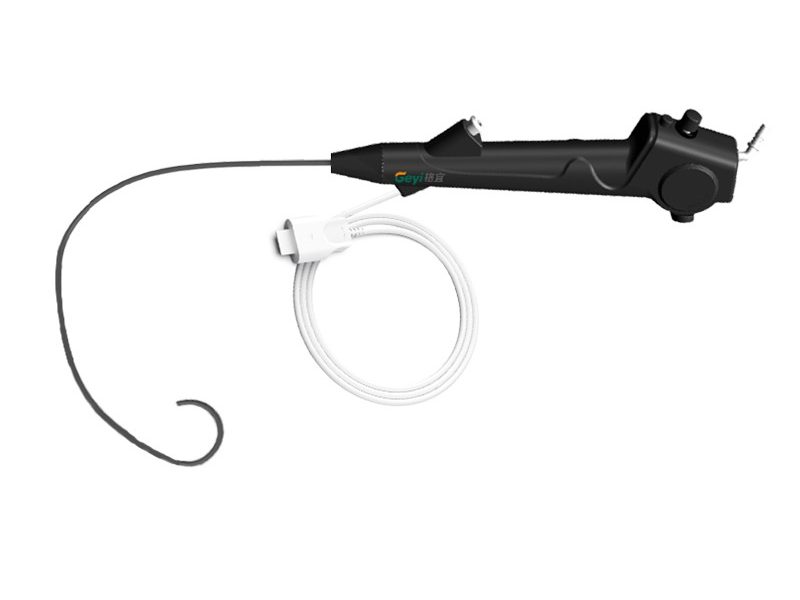
Bladder stones are a common urological condition that can cause significant discomfort and health issues for patients. The presence of these stones in the bladder can lead to symptoms such as pain during urination, frequent urination, and in severe cases, urinary tract infections. As a cystoscope supplier, I often receive inquiries about the potential of cystoscopes in treating bladder stones. In this blog, we’ll explore the role of cystoscopes in the diagnosis and treatment of bladder stones, and how our range of cystoscopes can be a valuable tool in urological procedures.


Before delving into the use of cystoscopes, it’s important to understand what bladder stones are. Bladder stones are hard deposits of minerals that form in the bladder. They can develop when urine in the bladder becomes concentrated, allowing minerals to crystallize and form stones. Factors that contribute to the formation of bladder stones include an enlarged prostate, urinary tract infections, and certain medical conditions that affect urine flow.
Cystoscopes are essential tools in urology for diagnosing bladder stones. A cystoscope is a thin, tube-like instrument with a light and a camera at the end, which allows urologists to visualize the inside of the bladder. By inserting the cystoscope through the urethra and into the bladder, doctors can directly observe the presence, size, and location of bladder stones. This real-time visualization is crucial for accurate diagnosis and treatment planning.
Our Single Use Cystoscope is designed to provide high-quality visualization during cystoscopy procedures. The single-use design eliminates the risk of cross-contamination, ensuring patient safety. The cystoscope’s flexible tip allows for easy navigation through the urethra and into the bladder, providing a clear view of the bladder’s interior.
In addition to diagnosis, cystoscopes can also be used to treat bladder stones. There are several treatment methods that utilize cystoscopes, including:
Laser lithotripsy is a minimally invasive procedure that uses a laser to break down bladder stones into smaller pieces. During the procedure, a cystoscope is inserted into the bladder, and a laser fiber is passed through the working channel of the cystoscope. The laser is then directed at the bladder stones, breaking them into fragments that can be easily flushed out of the bladder. Our Single Use Flexible Cystoscope is well-suited for laser lithotripsy procedures. Its flexible design allows for precise positioning of the laser fiber, ensuring effective stone fragmentation.
Mechanical lithotripsy involves using a device to crush the bladder stones into smaller pieces. A cystoscope is used to visualize the stones, and a lithotrite, which is a special instrument passed through the cystoscope, is used to crush the stones. Once the stones are fragmented, they can be removed from the bladder. Our Disposable Flexible Cystoscope provides excellent visualization during mechanical lithotripsy procedures. The disposable design eliminates the need for reprocessing, saving time and reducing the risk of infection.
There are several advantages to using cystoscopes for bladder stone treatment:
In conclusion, cystoscopes play a crucial role in the diagnosis and treatment of bladder stones. Our range of cystoscopes, including the Single Use Cystoscope, Single Use Flexible Cystoscope, and Disposable Flexible Cystoscope, are designed to provide high-quality visualization and effective treatment options for bladder stone procedures.
If you’re a healthcare provider interested in learning more about our cystoscopes or would like to discuss procurement options, please feel free to reach out. We’re committed to providing the highest quality urological instruments and excellent customer service.
 Blog
Blog
 Blog
Blog
 Blog
Blog