What software is used for analyzing images from a flexible bronchoscope?
As a supplier of flexible bronchoscopes, I often get asked about the software used to analyze images captured…
Read article →

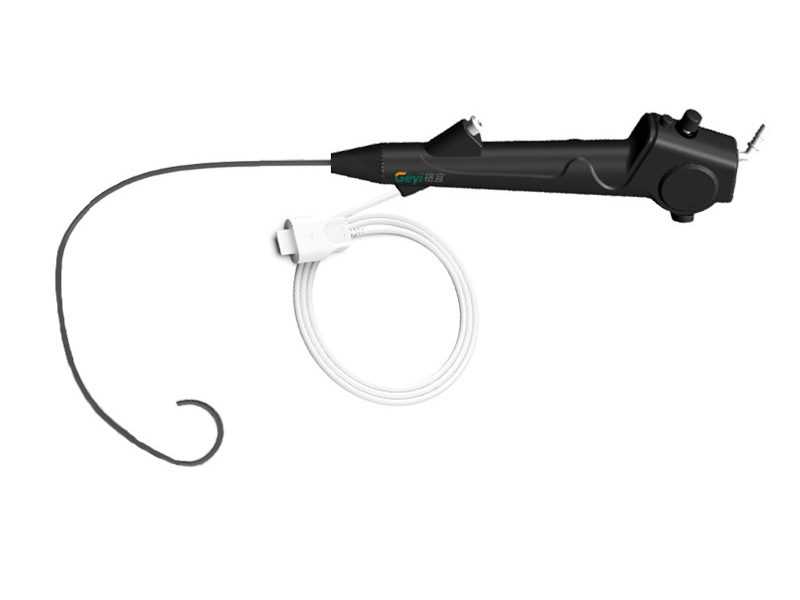
As a supplier of flexible cystoscopes, I often encounter questions from medical professionals and institutions about the versatility of these essential medical devices. One of the most common queries is whether a flexible cystoscope can be used on both men and women. In this blog post, I will delve into the technical aspects, anatomical differences, and practical considerations to provide a comprehensive answer.
A flexible cystoscope is a thin, tube-like instrument equipped with a light source and a camera at the tip. It is designed to be inserted through the urethra into the bladder, allowing doctors to visualize the interior of the bladder and urethra. This minimally invasive procedure is crucial for diagnosing various urological conditions, such as bladder tumors, urinary tract infections, and kidney stones.
The flexibility of the cystoscope is a key feature that enables it to navigate the curved and narrow passages of the urinary tract. It is made of a soft, flexible material that can bend and twist without causing significant discomfort to the patient. Additionally, the cystoscope can be equipped with various accessories, such as biopsy forceps and laser fibers, for further diagnostic and therapeutic procedures.
Before discussing whether a flexible cystoscope can be used on both men and women, it is important to understand the anatomical differences between the male and female urinary tracts.
In men, the urethra is longer and more curved than in women. It measures approximately 20 centimeters in length and has three distinct parts: the prostatic urethra, the membranous urethra, and the spongy urethra. The prostatic urethra passes through the prostate gland, which can cause obstruction or difficulty in inserting the cystoscope in some cases. Additionally, the male urethra has a narrow and angled section at the membranous urethra, which requires careful maneuvering of the cystoscope.
In women, the urethra is shorter and straighter, measuring approximately 4 centimeters in length. It is located anterior to the vagina and is relatively easier to access compared to the male urethra. However, the female urethra is more prone to infections due to its proximity to the anus and vagina.
The answer is yes, a flexible cystoscope can be used on both men and women. The flexibility of the cystoscope allows it to adapt to the different anatomical structures of the male and female urinary tracts. However, there are some differences in the technique and approach that need to be considered when using the cystoscope on men and women.
When using a flexible cystoscope on men, the urologist needs to be more cautious and gentle due to the longer and more curved urethra. The cystoscope may need to be advanced slowly and carefully, especially when passing through the prostatic urethra and the membranous urethra. In some cases, local anesthesia may be used to reduce discomfort and facilitate the insertion of the cystoscope.
When using a flexible cystoscope on women, the procedure is generally quicker and less complicated due to the shorter and straighter urethra. However, the urologist still needs to be careful to avoid causing trauma to the urethra or the bladder. Also, the patient’s privacy and comfort should be ensured during the procedure.
Using a flexible cystoscope on both men and women offers several advantages. Firstly, it provides a non-invasive or minimally invasive way to diagnose and treat urological conditions. This reduces the need for more invasive surgical procedures, which can be associated with longer recovery times and higher risks of complications.


Secondly, the flexible cystoscope allows for real-time visualization of the bladder and urethra, enabling the urologist to accurately diagnose the condition and plan the appropriate treatment. This can lead to more effective treatment outcomes and better patient satisfaction.
Thirdly, the use of a flexible cystoscope can be performed in an outpatient setting, which is more convenient for the patient and reduces healthcare costs.
When choosing a flexible cystoscope for use on both men and women, there are several factors to consider.
As a supplier, we offer a wide range of flexible cystoscopes that are designed to meet the needs of both men and women. Our products are of high quality and are equipped with the latest technology to ensure accurate diagnosis and effective treatment.
If you are interested in our Single Use Cystoscope, Portable Cystoscope, or Disposable Cystoscope, please feel free to contact us for more information. We are committed to providing excellent products and services to our customers and look forward to discussing your procurement needs.
 Blog
Blog
 Blog
Blog
 Blog
Blog