Can an endoscope camera system be used for medical purposes?
Can an endoscope camera system be used for medical purposes? In the realm of modern medicine, technological advancements…
Read article →

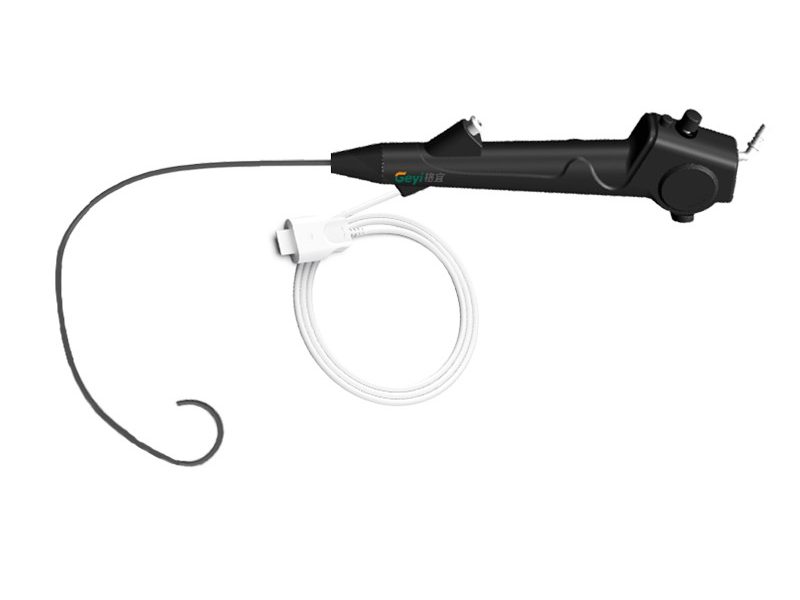
Bladder diverticula are pouch – like herniations of the bladder wall that can occur for various reasons, such as obstruction, congenital anomalies, or trauma. Accurate diagnosis of bladder diverticula is crucial for appropriate management and treatment. In this blog, we’ll explore whether a flexible cystoscope can be effectively used for this diagnosis, and as a flexible cystoscope supplier, I’ll also touch on the advantages of our products in this regard.
Before delving into the diagnostic use of flexible cystoscopes, it’s important to understand what bladder diverticula are. These outpouchings can range in size from a few millimeters to several centimeters. Small diverticula may be asymptomatic, while larger ones can cause a variety of problems, including urinary stasis, recurrent urinary tract infections, and the formation of bladder stones.
The traditional methods of diagnosing bladder diverticula include imaging studies such as ultrasound, computed tomography (CT) scans, and intravenous urography. While these imaging techniques can provide valuable information about the size, location, and number of diverticula, they have limitations. For example, ultrasound may not be able to clearly visualize small or complex diverticula, and CT scans expose patients to ionizing radiation.
A flexible cystoscope is a thin, tube – like instrument with a light and a camera at the tip. It can be inserted through the urethra into the bladder, allowing direct visualization of the bladder’s interior. This direct visualization is one of the key advantages of using a flexible cystoscope for diagnosing bladder diverticula.
When a flexible cystoscope is inserted into the bladder, the urologist can carefully examine the bladder wall for the presence of diverticula. The flexible nature of the cystoscope allows it to be maneuvered around the bladder, reaching areas that may be difficult to visualize with other diagnostic tools. This is particularly important because bladder diverticula can occur in various locations within the bladder, including the trigone, lateral walls, and dome.
In addition to detecting the presence of diverticula, a flexible cystoscope can also provide information about their characteristics. The urologist can assess the size of the diverticulum, the condition of its opening (the neck), and whether there are any associated abnormalities, such as tumors or stones within the diverticulum. This detailed information is essential for determining the appropriate treatment approach.
As a supplier of flexible cystoscopes, we offer several types of products that are well – suited for diagnosing bladder diverticula. Our Disposable Flexible Cystoscope provides a cost – effective and hygienic solution. Disposable cystoscopes eliminate the need for reprocessing, reducing the risk of cross – contamination between patients. This is especially important in a clinical setting where multiple patients are being examined.


Our Disposable Cystoscope is designed with high – quality materials that ensure clear visualization. The camera at the tip of the cystoscope provides sharp and detailed images of the bladder wall, making it easier to detect even small diverticula. The flexibility of the instrument allows for smooth insertion and maneuverability within the bladder, minimizing patient discomfort.
For those who prefer a single – use option with enhanced flexibility, our Single Use Flexible Cystoscope is an excellent choice. It combines the benefits of disposability with advanced flexible technology, enabling precise examination of the bladder and accurate diagnosis of bladder diverticula.
While flexible cystoscopes are a valuable tool for diagnosing bladder diverticula, there are some challenges and considerations. One of the main challenges is that the neck of a diverticulum may be difficult to visualize, especially if it is small or located in a hidden area. In some cases, the diverticulum may be filled with urine or debris, which can obscure the view.
Another consideration is patient tolerance. Inserting a cystoscope into the urethra can be uncomfortable for some patients, and in rare cases, it may cause complications such as urethral trauma or urinary tract infection. However, with proper patient preparation and the use of appropriate anesthetics, these risks can be minimized.
In many cases, a combination of diagnostic methods is used to accurately diagnose bladder diverticula. Flexible cystoscopy can be complemented by imaging studies such as ultrasound or CT scans. For example, imaging studies can provide a broader view of the bladder and surrounding structures, while cystoscopy can provide detailed information about the interior of the bladder and the diverticula themselves.
In conclusion, a flexible cystoscope can be a highly effective tool for diagnosing bladder diverticula. Its ability to provide direct visualization of the bladder wall and detailed information about the diverticula makes it an important part of the diagnostic process. As a supplier of flexible cystoscopes, we are committed to providing high – quality products that meet the needs of urologists and patients.
If you are interested in learning more about our flexible cystoscopes or are considering purchasing them for your medical practice, we encourage you to reach out for a procurement discussion. Our team of experts is ready to assist you in finding the right cystoscope for your specific requirements.
 Blog
Blog
 Blog
Blog