Blog

Can a flexible cystoscope be used to treat bladder calculi?

Bladder calculi, also known as bladder stones, are a common urological condition that can cause significant discomfort and complications for patients. The treatment of bladder calculi has evolved over the years, with various techniques and instruments being employed. One such instrument that has gained attention is the flexible cystoscope. As a supplier of [Flexible Cystoscope], I often receive inquiries about whether a flexible cystoscope can be used to treat bladder calculi. In this blog post, I will explore this question in detail, discussing the capabilities, limitations, and considerations of using a flexible cystoscope for bladder calculus treatment.

Understanding Bladder Calculi

Before delving into the use of a flexible cystoscope for treatment, it is essential to understand the nature of bladder calculi. Bladder stones are hard deposits that form in the bladder, typically composed of minerals and salts. They can vary in size, from tiny grains to large, golf ball-sized stones. The formation of bladder stones is often associated with underlying factors such as urinary tract infections, urinary retention, bladder outlet obstruction, and metabolic disorders.

Symptoms of bladder calculi may include pain or discomfort in the lower abdomen, frequent urination, difficulty urinating, blood in the urine, and urinary tract infections. If left untreated, bladder stones can lead to complications such as bladder damage, urinary tract infections, and kidney damage.

The Role of a Flexible Cystoscope

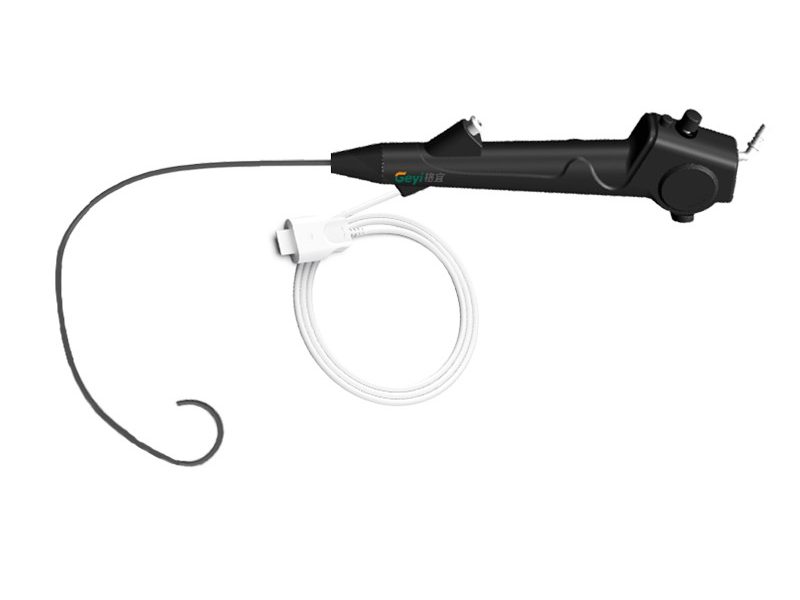
A flexible cystoscope is a thin, flexible tube equipped with a light source and a camera at the tip. It is inserted through the urethra into the bladder, allowing urologists to visualize the inside of the bladder and urethra. Flexible cystoscopes are commonly used for diagnostic purposes, such as detecting bladder tumors, urinary tract infections, and other urological conditions.

In recent years, there has been increasing interest in using flexible cystoscopes for therapeutic purposes, including the treatment of bladder calculi. The flexibility of the cystoscope allows it to navigate the complex anatomy of the bladder and reach stones in different locations. Additionally, the cystoscope can be equipped with various accessories, such as baskets, lasers, and ultrasonic probes, which can be used to remove or break up bladder stones.

Advantages of Using a Flexible Cystoscope for Bladder Calculus Treatment

There are several advantages to using a flexible cystoscope for bladder calculus treatment:

  • Minimally Invasive: Unlike traditional open surgery, which requires a large incision in the abdomen, flexible cystoscopy is a minimally invasive procedure. It involves inserting a thin tube through the urethra, which is a natural body opening. This results in less pain, shorter hospital stays, and faster recovery times for patients.
  • Precise Visualization: The camera on the tip of the flexible cystoscope provides high-quality images of the inside of the bladder, allowing urologists to accurately locate and target bladder stones. This precision helps to minimize the risk of damage to surrounding tissues and organs.
  • Versatility: Flexible cystoscopes can be used in combination with various accessories, such as baskets, lasers, and ultrasonic probes, to remove or break up bladder stones. This versatility allows urologists to choose the most appropriate treatment method based on the size, location, and composition of the stones.
  • Reduced Complications: Minimally invasive procedures are generally associated with fewer complications compared to open surgery. Flexible cystoscopy has a lower risk of bleeding, infection, and damage to surrounding tissues and organs.

Limitations of Using a Flexible Cystoscope for Bladder Calculus Treatment

While flexible cystoscopy offers several advantages for bladder calculus treatment, it also has some limitations:

  • Stone Size and Composition: The size and composition of the bladder stones can affect the success of flexible cystoscopy. Smaller stones are generally easier to remove or break up using a flexible cystoscope, while larger stones may require additional treatment methods, such as extracorporeal shock wave lithotripsy (ESWL) or open surgery. Additionally, certain types of stones, such as hard calcium stones, may be more difficult to break up using a flexible cystoscope.
  • Technical Expertise: Performing flexible cystoscopy requires specialized training and technical expertise. Urologists need to be proficient in using the cystoscope and its accessories to ensure safe and effective treatment. In some cases, patients may need to be referred to a urologist with experience in using flexible cystoscopy for bladder calculus treatment.
  • Equipment Limitations: The effectiveness of flexible cystoscopy for bladder calculus treatment depends on the quality and capabilities of the equipment. Older or lower-quality cystoscopes may have limitations in terms of visualization, maneuverability, and accessory compatibility. It is important to use high-quality equipment to ensure the best possible outcomes.

Considerations for Using a Flexible Cystoscope for Bladder Calculus Treatment

Before deciding whether to use a flexible cystoscope for bladder calculus treatment, several factors need to be considered:

  • Patient Factors: The patient’s overall health, age, and medical history should be taken into account. Patients with certain medical conditions, such as bleeding disorders or urinary tract infections, may not be suitable candidates for flexible cystoscopy. Additionally, the patient’s preferences and expectations should be considered when making treatment decisions.
  • Stone Characteristics: The size, location, and composition of the bladder stones are important factors to consider. Smaller stones are generally more amenable to flexible cystoscopy, while larger stones may require additional treatment methods. The location of the stones within the bladder can also affect the feasibility of flexible cystoscopy.
  • Urologist Expertise: The experience and expertise of the urologist performing the procedure are crucial. Urologists with extensive experience in using flexible cystoscopy for bladder calculus treatment are more likely to achieve successful outcomes. It is important to choose a urologist who is board-certified and has a proven track record in this area.
  • Equipment Availability: The availability of high-quality flexible cystoscopes and accessories is essential for successful bladder calculus treatment. Urologists should have access to the latest technology and equipment to ensure the best possible outcomes for their patients.

Conclusion

In conclusion, a flexible cystoscope can be a valuable tool for the treatment of bladder calculi. It offers several advantages, including minimally invasive treatment, precise visualization, versatility, and reduced complications. However, it also has some limitations, such as stone size and composition, technical expertise requirements, and equipment limitations. Before deciding whether to use a flexible cystoscope for bladder calculus treatment, it is important to consider the patient’s factors, stone characteristics, urologist expertise, and equipment availability.

Single Use Flexible CystoscopeDisposable Flexible Cystoscope

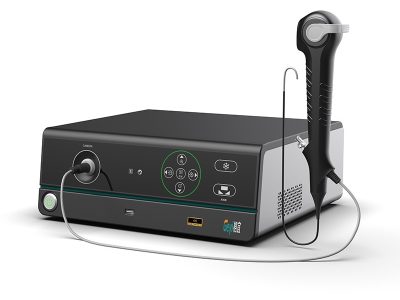
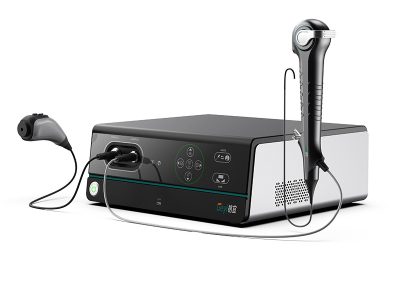
As a supplier of [Flexible Cystoscope], we are committed to providing high-quality products and support to urologists and healthcare providers. Our Disposable Flexible Cystoscope, Flexible Cystoscope, and Single Use Flexible Cystoscope are designed to meet the needs of modern urological practice. We offer a range of accessories and support services to ensure the safe and effective use of our products.

If you are interested in learning more about our flexible cystoscopes or would like to discuss your specific requirements, please do not hesitate to contact us. We are here to assist you in providing the best possible care for your patients.
References

  • Smith, A. D., et al. (2016). "Bladder Stones in Adults: Diagnosis and Management." European Urology, 69(2), 303-312.
  • Gill, I. S., et al. (2014). "Endourology: A Comprehensive Guide." Springer.
  • Patel, V. V., et al. (2013). "Flexible Cystoscopy: A Review of the Current Literature." Journal of Endourology, 27(10), 1237-1244.

Published by Jumping Spider™ — single-use endoscopy brand of Zhejiang Geyi Medical Devices Co., Ltd.

Need distributor or OEM information?

Tell us your specialty and target markets — our team will respond with the right documentation and product match.

Send inquiry