Best 10 Cystoscope Manufacturers in China 2025
Introduction to Cystoscope A cystoscope is a medical instrument used for the direct visual examination of the urinary…
Read article →

As a supplier of Flexible Hysteroscopes, I often get asked if these nifty devices can diagnose adenomyosis. It’s a great question, and today I’m gonna break it down for you.
First off, what the heck is adenomyosis? Well, it’s a condition where the tissue that normally lines the uterus, known as the endometrium, starts to grow into the muscular wall of the uterus. This can lead to some not – so – fun symptoms like heavy menstrual bleeding, painful periods, and an enlarged uterus.
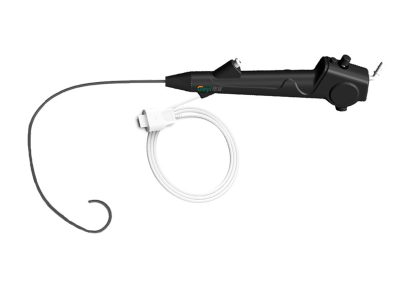
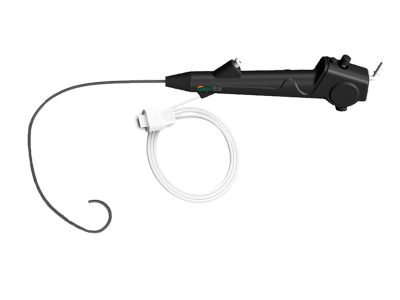
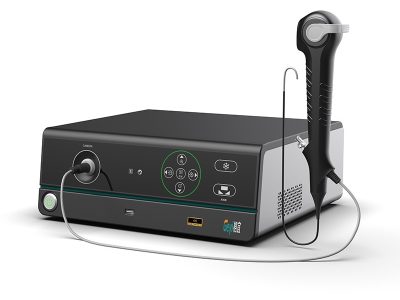
Now, let’s talk about the flexible hysteroscope. A Flexible Hysteroscope is a super useful tool in the field of gynecology. It’s a thin, flexible tube with a light and a camera at the end. Doctors can insert it into the vagina, through the cervix, and into the uterus to get a direct look at what’s going on inside.
So, can it diagnose adenomyosis? The answer is a bit of a yes and no.
The flexible hysteroscope does give doctors a clear view of the uterine cavity. They can check out the surface of the endometrium, look for any polyps, abnormal growths, or obvious signs of trouble. In some cases, if the adenomyosis is really advanced and causing visible changes on the endometrial surface, the hysteroscope might be able to pick up on something. For example, if there are areas where the endometrium looks irregular or there are what seem like bulges from the underlying myometrium into the cavity, it could be a hint of adenomyosis.


But here’s the thing, adenomyosis is mainly a condition of the uterine muscle wall. Just looking at the inside of the uterine cavity through the hysteroscope doesn’t give a full picture of what’s happening deeper in the muscle. The growths associated with adenomyosis are often buried within the muscular layer, and you can’t directly see them with the hysteroscope.
One of the big limitations of using a flexible hysteroscope for adenomyosis diagnosis is that it’s mostly a visual examination of the cavity’s inner lining. Adenomyosis is more about changes in the myometrium that occur beneath this lining. So, even if the hysteroscope shows a normal – looking uterine cavity, it doesn’t rule out adenomyosis.
Another issue is that some of the signs that might suggest adenomyosis on a hysteroscopic view can also be caused by other conditions. For instance, an irregular endometrial surface could be due to other benign growths or even early – stage cancer. So, it’s hard to make a definitive diagnosis just based on the hysteroscopic findings.
For a more accurate diagnosis of adenomyosis, doctors usually rely on other imaging techniques along with the hysteroscope. Transvaginal ultrasound is often the first line of defense. It can provide a cross – section view of the uterus and show the thickness and structure of the uterine walls. Magnetic Resonance Imaging (MRI) is even better; it gives a detailed, three – dimensional view of the uterus, allowing doctors to clearly see if there are areas of adenomyosis within the myometrium.
If you’re in the market for a hysteroscope, it’s good to know that there are different types. Aside from the Flexible Hysteroscope, there’s also the Disposable Hysteroscope and the Portable Hysteroscope.
The disposable hysteroscope can be a great option for clinics looking to reduce the risk of cross – contamination. Since it’s meant to be used once and then thrown away, there’s no need for the time – consuming and sometimes costly process of sterilization.
The portable hysteroscope, on the other hand, is perfect for doctors who need to perform quick examinations on – the – go or in a non – traditional setting. It’s light, easy to transport, and can be set up quickly.
As a supplier, I can vouch for the quality of our flexible hysteroscopes. We’ve put a lot of effort into making sure they are reliable, easy to use, and provide clear images. Our hysteroscopes are designed with the latest technology, so doctors can get the best view possible of the uterine cavity. They are also built to last, which means you won’t have to worry about constant replacements.
In conclusion, while a flexible hysteroscope can give some clues about the state of the uterine cavity, it isn’t enough to diagnose adenomyosis on its own. It’s just one piece of the puzzle. Other imaging methods play a crucial role in getting an accurate diagnosis.
If you’re a medical professional in the market for a high – quality hysteroscope, whether it’s the flexible type, a disposable one, or a portable model, don’t hesitate to reach out. We’re here to help you choose the right hysteroscope for your needs. Contact us to start the procurement and negotiation process. We can provide you with more information and discuss pricing and other details that matter to you.
So, if you think our hysteroscopes could be a good fit for your clinic or practice, shoot us a message—let’s talk!
 Blog
Blog
 Blog
Blog
 Blog
Blog