How does an Endoscope System help in the detection of early – stage diseases?
Early detection of diseases is crucial for effective treatment and improved patient outcomes. In the medical field, endoscope…
Read article →

As a leading supplier of Endoscopy Camera Systems, I’ve witnessed firsthand the remarkable advancements in medical imaging technology. One of the most crucial features of our endoscopy camera systems is the anti – glare coating, which plays a pivotal role in enhancing image quality during endoscopic procedures. In this blog, I’ll delve into how this anti – glare coating works and why it’s so important in the field of endoscopy.
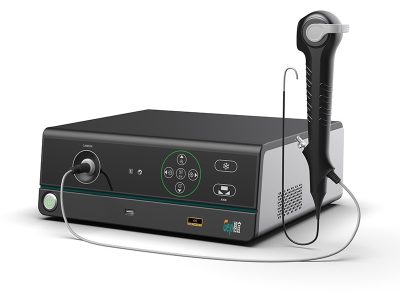
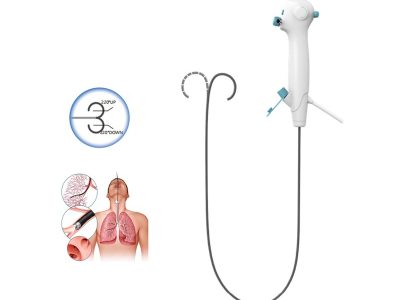
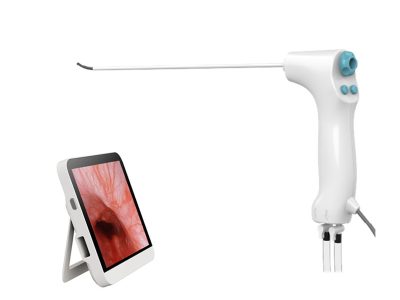
Before we discuss the anti – glare coating, let’s briefly understand what an endoscopy camera system is. Endoscopy is a minimally invasive procedure that allows doctors to examine the internal organs and cavities of the body. An endoscopy camera system consists of a thin, flexible tube with a camera at the tip, which is inserted into the body through natural openings or small incisions. This camera captures high – resolution images and videos, providing real – time visual information to the medical team.
Our company offers a wide range of endoscopy camera systems, including the Laparoscopic Camera System, 4K Laparoscopy System, and Video Endoscopy System. These systems are designed to meet the diverse needs of medical professionals, from general endoscopy to complex laparoscopic surgeries.


Glare is a common problem in endoscopy. When light reflects off the surfaces inside the body, such as the walls of organs or surgical instruments, it can create bright spots or halos in the captured images. This glare can significantly reduce the visibility of important anatomical details, making it difficult for doctors to accurately diagnose and treat patients.
There are several factors that can contribute to glare in endoscopy. Firstly, the light source used in the endoscopy camera system can cause reflections. Most endoscopy cameras use high – intensity LED lights to illuminate the internal organs. If these lights are not properly diffused, they can create strong reflections. Secondly, the smooth and shiny surfaces of some organs or medical devices can act as mirrors, reflecting light directly into the camera lens.
The anti – glare coating on our endoscopy camera systems is a sophisticated solution to the problem of glare. It is applied to the camera lens and other optical components to reduce the amount of reflected light. Here’s a detailed look at how it works:
The anti – glare coating is made up of multiple thin layers of materials with different refractive indices. The refractive index is a measure of how much light bends when it passes through a material. By carefully selecting and arranging these layers, the coating can control the way light interacts with the lens.
When light hits the coated lens, some of it is reflected at each layer interface. However, the thickness and refractive index of each layer are designed in such a way that the reflected light waves from different layers interfere with each other. This interference can be either constructive or destructive. In the case of anti – glare coatings, the layers are engineered to cause destructive interference, which means that the reflected light waves cancel each other out. As a result, less light is reflected back into the camera, reducing glare.
In addition to refractive index manipulation, some anti – glare coatings also contain light – absorbing materials. These materials can absorb a portion of the incident light, preventing it from being reflected. This further reduces the overall amount of glare and improves the clarity of the images.
The anti – glare coating can also modify the surface roughness of the lens. A smooth surface tends to reflect light more easily than a rough one. By creating a slightly rough surface on the lens, the coating can scatter the reflected light in different directions. This scattered light is less likely to form bright spots or halos in the image, resulting in a more uniform and clear view.
The use of anti – glare coating in our endoscopy camera systems offers several significant benefits:
The most obvious benefit is the improvement in image quality. By reducing glare, the coating allows doctors to see anatomical details more clearly. This is crucial for accurate diagnosis and treatment. For example, in a laparoscopic surgery, clear images are essential for identifying blood vessels, nerves, and other delicate structures, which helps to minimize the risk of complications.
Glare can be not only a problem for image quality but also for the visual comfort of the medical team. Bright reflections can cause eye strain and fatigue, especially during long endoscopic procedures. The anti – glare coating reduces these reflections, making it easier for doctors and nurses to view the images for extended periods without discomfort.
With clearer images, medical professionals can make more informed decisions more quickly. This can lead to increased efficiency in the operating room or endoscopy suite. Procedures can be completed faster, and patients can benefit from shorter recovery times.
The anti – glare coating in our endoscopy camera systems has been widely used in various medical fields. In gastroenterology, it helps doctors to detect early – stage tumors and other abnormalities in the digestive tract. In urology, it enables clear visualization of the urinary system, facilitating procedures such as cystoscopy.
In the field of gynecology, the anti – glare coating is invaluable for laparoscopic surgeries, where precise visualization of the reproductive organs is essential. It also plays an important role in otolaryngology, allowing for detailed examination of the ear, nose, and throat.
The anti – glare coating in our endoscopy camera systems is a game – changer in the field of medical imaging. By effectively reducing glare, it improves image quality, enhances visual comfort, and increases the efficiency of endoscopic procedures. As a supplier, we are committed to continuously improving our technology to meet the evolving needs of the medical community.
If you are interested in learning more about our endoscopy camera systems and the benefits of the anti – glare coating, or if you are considering a purchase for your medical facility, we encourage you to reach out to us for a detailed discussion. Our team of experts is ready to provide you with the information and support you need to make an informed decision.
 Blog
Blog
 Blog
Blog
 Blog
Blog