2025 Top 10 ENT Suppliers in the world
Introduction to ENT ENT, which stands for Ear, Nose, and Throat, is a specialized medical field focusing on…
Read article →

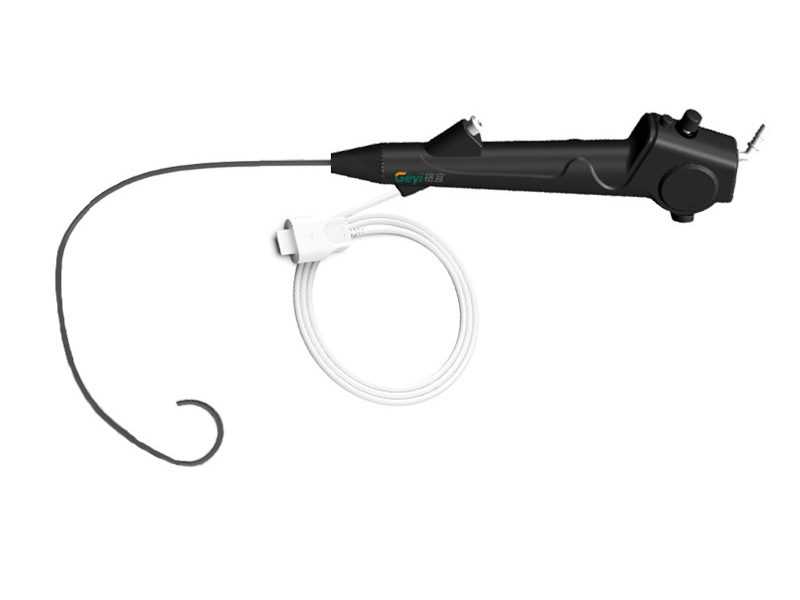
As a supplier of Disposable Cystoscopes, I’ve witnessed firsthand the significant role that the material of these medical devices plays in their performance. In this blog, I’ll delve into how different materials impact the functionality, durability, and overall effectiveness of disposable cystoscopes.
Before we explore the impact of materials, let’s briefly understand what a disposable cystoscope is. A cystoscope is a thin, tube – like instrument used by urologists to examine the inside of the bladder and the urethra. Disposable cystoscopes, as the name suggests, are designed for single – use, eliminating the need for reprocessing and reducing the risk of cross – contamination. They come in various types, such as Single Use Cystoscope and Flexible Cystoscope, each with unique requirements for materials.
One of the most critical aspects of a cystoscope is its ability to provide clear visual images. The materials used in the optical components, such as the lenses and fiber optics, are crucial for this.
Glass is a traditional material for lenses in cystoscopes. It offers excellent optical clarity, high refractive index, and low dispersion. This means that glass lenses can transmit light with minimal distortion, allowing for sharp and accurate visualization of the bladder and urethra. However, glass is brittle and can be prone to cracking or breaking during handling. For disposable cystoscopes, this can be a concern, as any damage to the lenses can render the device useless.
Plastic lenses are becoming more popular in disposable cystoscopes due to their lower cost and higher impact resistance. Materials like polycarbonate and acrylic are commonly used. While they may not offer the same level of optical quality as glass, advancements in plastic manufacturing techniques have significantly improved their performance. Modern plastic lenses can provide sufficient clarity for most diagnostic procedures. Additionally, their flexibility and durability make them well – suited for single – use devices.
Fiber optics are used to transmit light from the light source to the tip of the cystoscope and to carry the visual image back to the observer. Silica glass is the most common material for fiber optics in high – quality cystoscopes. It has low attenuation, which means that light can travel long distances through the fibers with minimal loss. However, silica glass fibers are also fragile. In disposable cystoscopes, plastic fiber optics are often used as an alternative. They are more flexible and less likely to break, but they may have higher attenuation, resulting in slightly dimmer images.


The mechanical properties of the materials used in the construction of a disposable cystoscope are also vital for its performance.
The outer sheath of the cystoscope protects the internal components and provides a smooth surface for insertion into the body. Polyurethane and silicone are commonly used materials for the outer sheath. Polyurethane is known for its excellent abrasion resistance and chemical stability. It can withstand the harsh environment of the urinary tract without degrading. Silicone, on the other hand, is more flexible and biocompatible. It is less likely to cause irritation to the delicate tissues of the urethra and bladder, making it a preferred choice for patient comfort.
The working channels in a cystoscope are used for passing instruments such as biopsy forceps or lasers. The materials used for these channels need to be strong enough to withstand the forces exerted during instrument insertion and manipulation. Polyethylene and polypropylene are often used due to their high strength – to – weight ratio and chemical resistance. These materials can also be easily molded into the desired shape, allowing for the creation of precise and smooth – walled channels.
Since disposable cystoscopes are designed to be used only once, the materials must ensure proper hygiene and safety.
All materials used in contact with the patient’s body must be biocompatible. This means that they should not cause any adverse reactions, such as inflammation or allergic responses. Most medical – grade plastics, such as silicone and polyurethane, are inherently biocompatible. They have been extensively tested and approved for use in medical devices.
The materials should also resist microbial growth to prevent the spread of infections. Some materials can be treated with antimicrobial agents during the manufacturing process. For example, silver nanoparticles can be incorporated into plastics to provide antibacterial properties. This helps to ensure that the disposable cystoscope remains sterile throughout its use.
In the context of disposable cystoscopes, cost is an important factor. The choice of materials can significantly impact the cost of production. Plastic materials are generally less expensive than glass and metal, which makes them an attractive option for disposable devices. However, it’s important to balance cost with performance. While cheaper materials may reduce the manufacturing cost, they should not compromise the functionality and safety of the cystoscope.
In conclusion, the material of a disposable cystoscope has a profound impact on its performance. From visual clarity to mechanical strength, hygiene, and cost, every aspect is influenced by the choice of materials. As a supplier, we are constantly researching and developing new materials and manufacturing techniques to optimize the performance of our Disposable Cystoscopes.
If you are interested in purchasing high – quality disposable cystoscopes for your medical facility, we invite you to contact us for a detailed discussion. Our team of experts can provide you with more information about our products and help you make an informed decision.
 Blog
Blog
 Blog
Blog
 Blog
Blog