


How does an Endoscope System improve the efficiency of medical procedures?
In the ever-evolving landscape of modern medicine, technological advancements play a pivotal role in enhancing the efficiency and…
Read article →

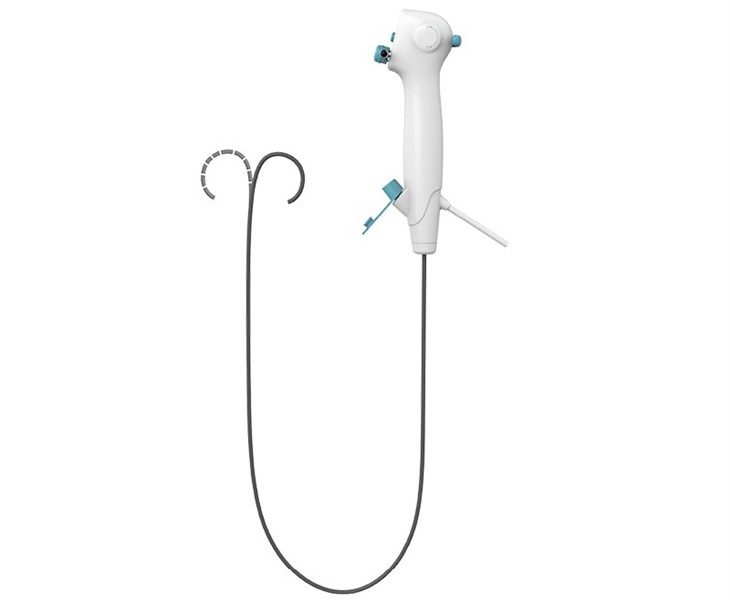
Single-use bronchoscopes are sterile and come pre-packaged. They eliminate the risk of infection transmission from one patient to another through the endoscope.
Zhejiang Geyi Medical Devices Co., Ltd. is a high-tech company integrating R & D, production, sales and service. It's headquartered in Jiande, Hangzhou City. The company has established a research and development and production base of 20000 m² in Jiande. It has a clean workshop of 5000 m² and a laboratory of 500 m². The company has a sound quality management system and equipment with a high degree of automation of production processes and testing methods, the company has successfully passed the "Medical Device Production Quality Control", "Management Standard" system assessment, and obtained ISO13485 medical device quality management system certification; Its product series of disposable trocars, digital endoscopes, electrocoagulation surgical instrument , surgical stapler series, endoscopic image camera systems, medical equipment have obtained domestic registration certificates and EU CE certificates.
Competitive price
We have a professional purchasing team and costing team,trying to reduce costs and profits,and provide you with a good price.
24h online service
You can contact us to inquire about pre-sales, sales, and after-sales services, and we will give you a very satisfactory.We are at your service online 24 hours a day.
Quality control
For each process,we have strict inspection standards,and we always insist that quality is life.
One-stop Solution
With rich experience and one-to-one service,we can help you choose products and answer technical questions.
What Is Single Use Bronchoscope?
A single use bronchoscope is a medical instrument designed for one-time use during bronchoscopy procedures. It is intended to minimize the risk of cross-contamination between patients and reduce the need for sterilization or disinfection. Single use bronchoscopes are made of disposable materials such as plastic and are discarded after each use, which makes them cost-effective and easy to use. They are commonly used in hospitals and clinics for diagnostic and therapeutic purposes such as examining the airways, taking tissue samples, and removing foreign objects.
Reduced risk of infection
Single-use bronchoscopes are sterile and come pre-packaged. They eliminate the risk of infection transmission from one patient to another through the endoscope.
No reprocessing required
Single-use bronchoscopes are disposable, which eliminates the need for reprocessing, making them more convenient and time-efficient.
Cost-effective
Single-use bronchoscopes eliminate the need for expensive reprocessing equipment, staff, and chemicals. They can also save on costs associated with repairs and maintenance.
Improved patient flow
With no need for reprocessing, single-use bronchoscopes can be used immediately, reducing the wait time for patients needing bronchoscopy.
Consistent quality
Since every single-use bronchoscope is new and pre-packaged, the quality is consistent, making them more reliable for clinicians.
Fiber-optic bronchoscope: A fiber-optic bronchoscope is a thin and flexible tube that has an optical fiber bundle, which transmits light, images, and video from the tip of the device to the viewer's eyepiece.
Video bronchoscope: A video bronchoscope is a similar device to a fiber-optic bronchoscope, but it uses a camera at the tip of the device and a video display rather than an eyepiece.
Channeled bronchoscope
A channeled bronchoscope is a specialized device that allows instruments to be passed through the bronchoscope's working channel to perform targeted procedures within the bronchial tree, such as taking a biopsy or removing foreign objects.
Angled-tip bronchoscope
An angled-tip bronchoscope is a type of device with a flexible tip that can be adjusted to different angles. This allows for better visualization of hard-to-reach areas of the respiratory system.
Disposable bronchoscope
A disposable bronchoscope is a single-use device that is designed to be used for one procedure and then disposed of. These devices are often used in settings where reusable devices pose a risk of contamination or infection.
Disposable bronchoscope tube
This is the main component of a single-use bronchoscope. It is usually made of flexible materials such as silicone or polyurethane, and it comes in different sizes to fit the needs of different patients.
Light source
A built-in LED light source provides illumination to the bronchoscope tube, allowing physicians to visualize the airways and diagnose respiratory conditions.
Camera system
Some single-use bronchoscopes come with a camera system that captures real-time images of the bronchial tree. The images can be displayed on a monitor or recorded for further analysis.
Control handle
A control handle is used to maneuver the bronchoscope tube through the airways. It may include buttons for suctioning, irrigation, and biopsy forceps.
Suction port
A suction port allows physicians to remove secretions and debris from the airways during the procedure.
Irrigation port
An irrigation port enables physicians to flush the airways with saline to help visualize the bronchial tree and remove secretions.
Biopsy forceps
Some single-use bronchoscopes come with built-in biopsy forceps, which allow physicians to obtain tissue samples from the airways for further analysis.
Sterile packaging
Single-use bronchoscopes are delivered in sterile packaging to ensure that they are hygienic and ready for immediate use in clinical settings.

Single-use bronchoscopes may be best suited for patients who require a diagnostic or therapeutic bronchoscopy but are at higher risk of infection, such as immunocompromised patients or those with cystic fibrosis. They can also be useful in emergency or bedside settings where immediate access to a bronchoscope is required, as they eliminate the need for sterilization and reduce the risk of contamination. Additionally, single-use bronchoscopes may be preferred in certain situations where the risk of cross-contamination between patients is high, such as during an outbreak of a contagious disease. Ultimately, the decision to use a single-use bronchoscope versus a reusable one will depend on the individual patient's clinical situation and the preferences and resources of the healthcare provider.
Bronchoscopy and endoscopy are both medical procedures that involve the insertion of a flexible tube with a camera into the body. However, the main difference between the two is the area of the body they are used to examine:

Bronchoscopy
This procedure involves the insertion of a bronchoscope (thin, flexible tube with a camera and light) into the airways (bronchi and trachea) to examine the lungs and air passages. It is often used to diagnose and treat lung conditions such as bronchitis, pneumonia, lung cancer, or to remove foreign objects in the airways.
Endoscopy
This procedure involves the insertion of an endoscope (thin, flexible tube with a camera and light) into the digestive system (throat, esophagus, stomach, and small intestine) to examine the lining of these organs and detect any abnormalities or diseases. It is often used to diagnose and treat conditions such as ulcers, gastritis, polyps, or cancer.
In summary, while both bronchoscopy and endoscopy involve the use of a flexible tube with a camera, they are used to examine different parts of the body (lungs vs. digestive system).
During a bronchoscopy, a biopsy may often be performed to take tissue samples from inside the bronchi or lungs for further examination. The biopsy is usually performed in the following way:
The pulmonologist will guide a thin, flexible tube called a bronchoscope through the mouth or nose, down the throat, and into the lungs.
The tip of the bronchoscope has a small biopsy tool such as forceps, brush, or needle, which is used to collect a tissue sample from the inside of the bronchial wall or lung tissue.
The biopsy forceps, brush or needle is inserted through a channel in the bronchoscope and is guided by the pulmonologist towards the area where the tissue sample needs to be taken.
Once in the correct location, the doctor will use the biopsy tool to grab or extract a small tissue sample which will then be sent to a pathology lab for analysis.
After the biopsy, the bronchoscope will be removed and the patient will be observed for a short period for any potential complications.
What Is the Most Common Complication of a Lung Biopsy?
The most common complication of a lung biopsy is pneumothorax, which occurs when air leaks from the lung and fills the space between the lung and the chest wall. It can cause chest pain, shortness of breath, and may require treatment such as chest tube insertion. Other potential complications include bleeding, infection, and damage to nearby organs or structures.
The alternatives to a bronchoscopy include:
CT Scan: A CT scan uses multiple X-rays to create a detailed image of the lungs and can help identify any abnormalities.
Chest X-ray: A chest X-ray can detect any abnormalities in the lungs but it is not as detailed as a CT scan.
Pulmonary function tests: These tests are used to evaluate how well the lungs are functioning by measuring the volume of air inhaled and exhaled, how quickly the air is moved in and out of the lungs, and how effectively oxygen is delivered to the body.
Sputum test: Sputum is the mucous that is coughed up from the lungs. A sputum test is used to identify any infections or cancer cells present in the sputum.
Blood tests: Blood tests are used to identify any infections or other conditions that may be affecting the lungs.
Ultrasound: An ultrasound can be used to evaluate the lungs and identify any abnormalities, such as fluid or tumors.
Magnetic resonance imaging (MRI):MRI uses a magnetic field and radio waves to create detailed images of the lungs. It can identify abnormalities in the lungs, but it is not typically used as a first-line imaging modality for lung diseases.
Bronchoscopy lets your doctor look at your airway through a tube called a bronchoscope. Afterward, you may feel tired for 1 or 2 days. Your mouth may feel very dry for several hours after the procedure. You may also have a sore throat and a hoarse voice for a few days. Sucking on throat lozenges or gargling with warm salt water may help soothe your sore throat.


How can you care for yourself at home?
1.Activity
a: Do not eat anything for 2 hours after the procedure.
b: Rest when you feel tired. Getting enough sleep will help you recover.
c: Avoid strenuous activities, such as bicycle riding, jogging, weight lifting, or aerobic exercise, until your doctor says it is okay.
d: Ask your doctor when you can drive again.
2.Diet
A: You can eat your normal diet. If your stomach is upset, try bland, low-fat foods like plain rice, broiled chicken, toast, and yogurt.
B: If it is painful to swallow, start out with cold drinks, flavored ice pops, and ice cream. Next, try soft foods like pudding, yogurt, canned or cooked fruit, scrambled eggs, and mashed potatoes. Avoid eating hard or scratchy foods like chips or raw vegetables. Avoid orange or tomato juice and other acidic foods that can sting the throat.
C: Drink plenty of fluids to avoid becoming dehydrated (unless your doctor tells you not to).
Diagnostic bronchoscopy
Single-use bronchoscopes are used for diagnostic purposes to visualize the airways, collect samples, and perform biopsies. They can help in the diagnosis of various respiratory conditions such as lung cancer, infections, and inflammatory diseases.
Therapeutic bronchoscopy
Single-use bronchoscopes can be used for therapeutic interventions in the airways. They allow for procedures such as removing foreign bodies, clearing airway obstructions, dilating narrowed airways, and placing stents.
Intubation and airway management
Single-use bronchoscopes can assist in intubation procedures by providing visualization of the airway during endotracheal tube placement. They can also be used for airway management in cases of difficult intubation or when a flexible scope is preferred.
Training and education
Single-use bronchoscopes are often used for training purposes, allowing healthcare professionals to practice bronchoscopy techniques and procedures. They provide a cost-effective and safe option for training without the need for reprocessing or sterilization.
Emergency situations
Single-use bronchoscopes are particularly useful in emergency situations where immediate access to a bronchoscope is required. They eliminate the need for reprocessing and reduce the risk of cross-contamination.
Outpatient procedures
Single-use bronchoscopes are commonly used in outpatient settings, such as clinics or ambulatory surgical centers, where convenience and efficiency are important. They eliminate the need for reprocessing, reducing turnaround time between procedures.
Bronchoscope insertion
Insert the bronchoscope through the patient's mouth or nose and advance it gently into the airways. The bronchoscope is designed to be flexible and maneuverable, allowing visualization of the trachea and bronchi.
Visualization and examination
As the bronchoscope is advanced, the healthcare professional can visualize the airways on a monitor connected to the bronchoscope. They can examine the structures, look for abnormalities, and perform procedures such as taking biopsies or collecting samples.
Procedure completion
Once the necessary procedures or examinations are completed, slowly withdraw the bronchoscope from the airways. Take care to avoid any trauma or injury to the patient's airways.
Disposal
As a single-use device, the bronchoscope should be disposed of properly after the procedure. Follow the healthcare facility's guidelines for the disposal of medical waste and ensure that the bronchoscope is discarded in a designated container.
Pre-procedure preparation: Before using the single-use bronchoscope, the healthcare professional should ensure they have the necessary equipment and supplies ready. This may include a bronchoscope insertion sheath, suction catheters, biopsy forceps, and any other required accessories.
Patient preparation: The patient should be positioned comfortably, typically in a semi-reclined position. Local anesthesia may be administered to numb the throat and airways, and a sedative may be given if necessary.
Bronchoscope unpacking: Open the sterile packaging of the single-use bronchoscope, ensuring that the integrity of the packaging is intact. Carefully remove the bronchoscope from the packaging, avoiding any contamination.
How to choose single use bronchoscope
Purpose and application
Determine the specific purpose and application for which you will be using the bronchoscope. Consider whether you need it for diagnostic procedures, therapeutic interventions, intubation, or other specific applications. Different bronchoscopes may be designed with specific features and capabilities to meet different needs.
Size and compatibility
Ensure that the bronchoscope you choose is compatible with the patient population you will be treating. Consider the size and diameter of the bronchoscope, as well as any specific requirements for pediatric or adult patients. It's important to select a bronchoscope that will fit comfortably and safely in the patient's airways.
Visualization and image quality
Evaluate the quality of the visualization and image provided by the bronchoscope. Look for features such as high-definition imaging, good color reproduction, and clear visibility of the airway structures. The quality of the image can greatly impact the accuracy and effectiveness of the procedure.
Maneuverability and flexibility
Consider the flexibility and maneuverability of the bronchoscope. A flexible bronchoscope allows for easier navigation through the airways and better access to different areas. Look for a bronchoscope that offers smooth and precise control during insertion and manipulation.
Ergonomics and user-friendliness
Assess the ergonomics and user-friendliness of the bronchoscope. Look for features such as a comfortable grip, intuitive controls, and easy maneuverability. A user-friendly bronchoscope can enhance the efficiency and ease of the procedure.
Sterility and safety
Ensure that the single-use bronchoscope is properly sterilized and packaged. Check for certifications and compliance with regulatory standards to ensure the safety and sterility of the device. It's important to choose a bronchoscope that meets the necessary infection control requirements.
Cost and budget
Consider the cost of the single-use bronchoscope and how it fits within your budget. Compare prices from different manufacturers and suppliers, taking into account any additional costs such as accessories or disposables. Balance the cost with the quality and features of the bronchoscope to make an informed decision.
Manufacturer reputation and support
Research the reputation and track record of the manufacturer. Look for a reputable manufacturer with a history of producing high-quality medical devices. Consider the availability of technical support, training, and after-sales service provided by the manufacturer.


Up to now, the company has got more than 50 patents for core product inventions and utility models. Rely on excellent products quality, perfect after-sales service, unremitting efforts, independent research and development, the products have been marketed all over the world, contributed to human health care.


Hot Tags: single use bronchoscope, China single use bronchoscope manufacturers, suppliers, factory, Disposable Fiberoptic Bronchoscope, ENT, Portable Bronchoscope, Bronchoscope Flexible, Single Use Bronchoscope, Flexible Video Bronchoscope
 Blog
Blog
 Blog
Blog