Can a flexible bronchoscope be connected to a computer for image recording?
In the field of medical diagnostics, the flexible bronchoscope has long been an indispensable tool for examining the…
Read article →

Your Leading Geyi Medical Devices Supplier Zhejiang Geyi Medical Devices Co., Ltd. is a high-tech company integrating R & D, production, sales and service. It's headquartered in Jiande, Hangzhou City. The company has established a research and development and production base of 20000.
Zhejiang Geyi Medical Devices Co., Ltd. is a high-tech company integrating R & D, production, sales and service. It's headquartered in Jiande, Hangzhou City. The company has established a research and development and production base of 20000 m² in Jiande. It has a clean workshop of 5000 m² and a laboratory of 500 m². The company has a sound quality management system and equipment with a high degree of automation of production processes and testing methods, the company has successfully passed the "Medical Device Production Quality Control", "Management Standard" system assessment, and obtained ISO13485 medical device quality management system certification; Its product series of disposable trocars, digital endoscopes, electrocoagulation surgical instrument , surgical stapler series, endoscopic image camera systems, medical equipment have obtained domestic registration certificates and EU CE certificates.
Competitive price
We have a professional purchasing team and costing team,trying to reduce costs and profits,and provide you with a good price.
24h online service
You can contact us to inquire about pre-sales, sales, and after-sales services, and we will give you a very satisfactory.We are at your service online 24 hours a day.
Quality control
For each process,we have strict inspection standards,and we always insist that quality is life.
One-stop Solution
With rich experience and one-to-one service,we can help you choose products and answer technical questions.

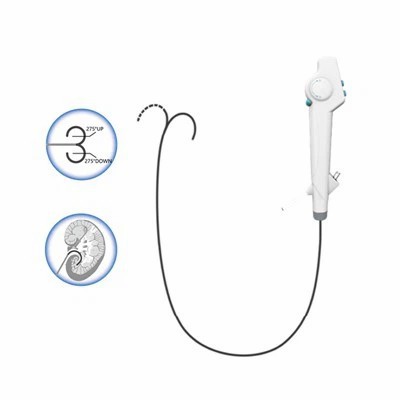
Single Use Digital Flexible Ureteroscope
Single use digital flexible ureteroscope are state-of-the-art medical tools that are used to diagnose and treat urinary tract issues.

Single Use Flexible Cystoscope
Single use flexible cystoscope offers a safer and more hygienic option as it eliminates the risk of cross-contamination and infection transmission. The disposable nature of the cystoscope makes it easy to dispose of after a single procedure, thereby reducing the time and effort required for cleaning and sterilization. Overall, it provides a more efficient and cost-effective solution for urological examinations and procedures.

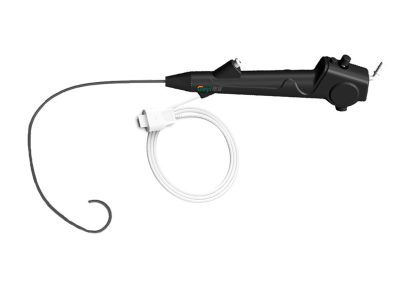
Single Use Digital Ureteroscope
Digital ureteroscope are state-of-the-art medical tools that are used to diagnose and treat urinary tract issues

Single use ureteroscope are state-of-the-art medical tools that are used to diagnose and treat urinary tract issues.

Single Use Flexible Ureteroscope
Single use flexible ureteroscope are state-of-the-art medical tools that are used to diagnose and treat urinary tract issues.
6.Disposable Flexible Ureteroscope

Disposable Flexible Ureteroscope
Disposable flexible ureteroscope are state-of-the-art medical tools that are used to diagnose and treat urinary tract issues.

Disposable ureteroscope are state-of-the-art medical tools that are used to diagnose and treat urinary tract issues.

Digital flexible ureteroscope are state-of-the-art medical tools that are used to diagnose and treat urinary tract issues.

Disposable cystoscope offers a safer and more hygienic option as it eliminates the risk of cross-contamination and infection transmission. The disposable nature of the cystoscope makes it easy to dispose of after a single procedure, thereby reducing the time and effort required for cleaning and sterilization. Overall, it provides a more efficient and cost-effective solution for urological examinations and procedures.

Single use cystoscope offers a safer and more hygienic option as it eliminates the risk of cross-contamination and infection transmission. The disposable nature of the cystoscope makes it easy to dispose of after a single procedure, thereby reducing the time and effort required for cleaning and sterilization. Overall, it provides a more efficient and cost-effective solution for urological examinations and procedures.

Disposable Flexible Cystoscope
Disposable flexible cystoscope offers a safer and more hygienic option as it eliminates the risk of cross-contamination and infection transmission. The disposable nature of the cystoscope makes it easy to dispose of after a single procedure, thereby reducing the time and effort required for cleaning and sterilization. Overall, it provides a more efficient and cost-effective solution for urological examinations and procedures.

Flexible cystoscope offers a safer and more hygienic option as it eliminates the risk of cross-contamination and infection transmission. The disposable nature of the cystoscope makes it easy to dispose of after a single procedure, thereby reducing the time and effort required for cleaning and sterilization. Overall, it provides a more efficient and cost-effective solution for urological examinations and procedures.
Reusable scopes carry a risk of residual contamination despite meticulous sterilization procedures. single use ureteroscope eliminate this concern, reducing the potential for post-operative infections.
As disposable scopes are brand new for each procedure, they deliver consistent optical clarity and maneuverability. There’s no worry about wear and tear affecting their performance.
Traditional reusable scopes require regular maintenance, repairs, and replacements, which can be expensive. single use ureteroscope remove these costs from the equation, potentially leading to cost savings for healthcare facilities.
Sterilizing and preparing reusable scopes for surgery can consume valuable time in a busy operating room. Disposable scopes are ready for use right out of the packaging, streamlining the surgical process.
The reduced cost and increased availability of single use ureteroscope might allow more facilities to offer urological procedures, improving patient access to essential treatments.

Single-use ureteroscope features an atraumatic, tapered 6.6 Fr distal tip for optimal access to the ureter. Camera has a 120° field of view and automatically white balances and color calibrates to provide consistent images with maximum clarity and color.
In the ever-evolving landscape of medical technology, one area that has seen remarkable advancements is endourology, particularly in the field of urology. Ureteroscopy, a crucial diagnostic and therapeutic technique, has witnessed a significant shift in recent times with the increasing preference for single-use ureteroscopes. This trend marks a departure from traditional reusable scopes, as medical professionals recognize the numerous advantages that single-use ureteroscopes bring to the table.
Eliminating Cross-Contamination Concerns
One of the primary reasons for the surge in popularity of single-use ureteroscopes is the heightened focus on infection control and patient safety. Reusable scopes, despite meticulous sterilization protocols, pose a risk of cross-contamination. Single-use scopes, on the other hand, are sterile straight from the packaging, eliminating the possibility of infections being transmitted from one patient to another.
Cost-Efficiency and Time Savings
While the initial cost of acquiring single-use ureteroscopes may be higher than that of their reusable counterparts, the overall cost-effectiveness becomes apparent when factoring in sterilization expenses and downtime associated with reusable scopes. Sterilizing and preparing reusable scopes between procedures can be time-consuming, potentially causing delays in patient care. Single-use scopes, being pre-sterilized and ready for immediate use, contribute to time efficiency and streamlined workflow in medical settings.
Technological Advances
Advancements in manufacturing technology have enabled the production of high-quality, disposable ureteroscopes that rival the performance of traditional reusable scopes. The image quality, flexibility, and maneuverability of single-use ureteroscopes are now comparable to, if not better than, their reusable counterparts. This technological parity, combined with the added benefits of disposability, makes single-use ureteroscopes an attractive option for urologists.
Adapting to Changing Healthcare Dynamics
The landscape of healthcare is continually evolving, with an increasing emphasis on outpatient and minimally invasive procedures. Single-use ureteroscopes align seamlessly with these changing dynamics, offering a versatile and convenient solution for urologists performing procedures in various settings. Their disposability eliminates the need for capital-intensive sterilization infrastructure, making them particularly suitable for outpatient clinics and ambulatory surgical centers.
Environmental Considerations
While the environmental impact of single-use medical devices is a valid concern, manufacturers are actively working towards more sustainable solutions. Some single-use ureteroscopes are designed with eco-friendly materials, and recycling programs are being developed to minimize their environmental footprint. Balancing the clinical advantages of disposability with environmental responsibility remains a crucial consideration for healthcare professionals.
Consecutive abstracts published recently in The Journal of Urology show single-use ureteroscopes perform well in clinical use and demonstrate the feasibility of a recycling program.
One compared a single-use digital flexible ureteroscope to a state-of-the art reusable digital flexible ureteroscope in treating urolithiasis in a multicenter randomized trial. The single-use ureteroscope had significantly better upward and downward deflection angles pre-and post-operatively compared with the reusable option.
The performance was comparable for all other intraoperative measurables between the scopes and there was also no difference in stone-free rates at four to 10 days or six to 10 weeks, according to researchers.
Surgeons rated the state-of-the-art reusable ureteroscope higher in maneuverability, visualization, ability to target the laser on stone, and overall scope rating. However, the three reusable ureteroscopes each failed and required five total repairs during the trial period. The reusable scopes averaged 6.6 uses before requiring repair.
“Surgeons preferred the reusable flexible ureteroscope handling and visualization, although both scopes produced similar stone free rates,” the authors write in the conclusion. “The high rate of breakage of reusable ureteroscopes is concerning and the single-use ureteroscope produced equivalent patient outcomes.”
What about the waste?
“Single-use flexible ureteroscopes have gained recent popularity with comparable optics and maneuverability compared to reusable reprocessed ureteroscopes,” the authors of the other abstract write in their introduction. “However, the increased plastic, material waste, and potential for adverse environmental impact associated with single-use devices are concerning.”
For this reason, they piloted a recycling program at six health systems from June through September 2020. During that period, 135 disposable scope and packaging units were processed. The total weight of the recycled ureteroscope units was 330 pounds.
Based on estimates from the manufacturer, this resulted in 274 pounds of plastic waste, 87 percent of which was repurposed to energy for a total reduction in landfill waste by 238 pounds, the authors write.
They conclude that recycling single-use ureteroscopes “is feasible and significantly reduces operative material waste after ureteroscopy.”
While single use ureteroscopes bring about significant advantages, there are a few considerations to bear in mind:
Environmental Impact
The disposable nature of these scopes raises environmental concerns due to the increased generation of medical waste. Manufacturers and healthcare providers should work collaboratively to minimize this impact.
Cost Analysis
While they might eliminate certain maintenance costs, the upfront price of single use ureteroscopes can be higher than reusable ones. Institutions must weigh the long-term financial benefits against the initial investment.
Durability and Performance
Some healthcare professionals might still question the durability and performance of disposable scopes compared to their reusable counterparts. Continued research and development will likely address these concerns over time.
From our conversations with Medical Specialists in South Africa, we discovered they are facing some challenges in the daily practice of endourology, namely the lack of reliable ureteroscopes. Conventional reusable ureteroscopes have proven unreliable because they are highly priced, damaged easily and expensive to repair or replace.
They also require skilled personnel to clean and sterilize. The most common methods of sterilisation for heat sensitive surgical endoscopes include soaking in Cidex (ortho-phtalatealdehyde) or glutaraldehyde. Both substances are harmful irritants to the respiratory system[1] and their use is banned in many European countries.
To solve these limitations, single use ureteroscopes were developed over 10 years ago. Today disposable ureteroscopes perform just as well, if not better than their reusable counterparts in terms of manoeuvrability, quality of vision, and efficacy, and do not require re-sterilisation.
But hospitals and Medical Aid Schemes in South Africa have been slow in adopting new technology, largely due to the perceived cost.
Let’s dive deeper and compare the costs.
According to the authors, there is a large variation of acquisition costs as well as the average number of times a reusable ureteroscope can be used before requiring repair or replacement. Factors influencing the occurrence of breakage include the number of surgeons who have access to the scope and the degree of training of the personnel involved in the use or reprocessing of the scopes.
In this article, we will assume that there is an initial cost of R250 000 to buy a reusable ureteroscope. If the hospital were to use the scope 21 times before it needed to be replaced, the cost per procedure would be R11 905, but if the same scope was used only 6 times, the cost per procedure skyrockets to R41 666.
In addition to the acquisition costs of reusable ureteroscopes (not mentioning the need of having more than one), hospitals also need to consider the maintenance costs, breakages, and reprocessing which are expenses that add up when determining the cost per procedure. Expenses which we haven’t included in our example above.
Additional factors to consider are effectiveness of reusable scopes, which diminishes with each case in terms of picture quality and resolution.
Compared to the cost of a single use ureteroscope at R14 000 per procedure. If the hospital had 21 cases, then the hospital pays R294 000 (which is only 15% more compared to the cost of reusable ureteroscopes in our example) and if the hospital had 6 cases to do, then the hospital pays R84 000 (which is 66% less than reusable ureteroscopes in our example)
This simple example shows that the price of single use ureteroscopes is compatible and even more cost effective when it comes to lower-case loads.
And there would be no additional costs incurred for single use ureteroscopes such as training staff on how to properly reprocess scopes, no repair costs, and no re-sterilisation with harmful substances.
In addition, single use ureteroscopes offer several advantages over reusable ureteroscopes as follows:
Perform extremely well, with an image resolution of 400 x 400 pixels, thus the image as good as the best reusable scope
High-end image quality, equipped with CMOS sensors
Maximal deflection of 275 Degrees backward and forward
Lightweight and reduce surgeon fatigue
Small distal diameter which includes a working channel
Bright LED light arrangement for good vision of the operating field
It is cost effective
Ureteroscopes are considered hospital equipment and come with a hefty price tag, which hospitals are willing to pay, if it means Medical Specialists can perform surgical procedures and improve quality of life. But as anything else, hospital equipment needs to be maintained, repaired, or replaced when it breaks and resterilised between procedures. And herein lies an opportunity for hospitals and Medical Aid Schemes in South Africa to pivot and move on to better, more cost effective and reliable technology.
Zhejiang Geyi Medical Devices Co., Ltd. is a high-tech company integrating R & D, production, sales and service. It's headquartered in Jiande, Hangzhou City. The company has established a research and development and production base of 20000 m² in Jiande.


Q: How much does a single use ureteroscope cost?
Q: What is the alternative to ureteroscopy?
Q: What are the different types of Ureteroscopes?
Q: What is a flexible ureteroscopy?
Q: How long does it take to recover from cystoscopy and ureteroscopy?
Q: How do you clean a flexible Ureteroscope?
Q: Can ureteroscopy be done without stent?
Q: What is the difference between a semi rigid and flexible Ureteroscopy?
Q: What is the recovery time for ureteroscopy and cystoscopy?
Q: What is the difference between a cystoscopy and a ureteroscopy?
Q: Can you pass blood clots in urine after ureteroscopy?
Q: Which is better lithotripsy or ureteroscopy?
Q: What is the success rate of ureteroscopy?
Q: How big is a ureteroscope?
Q: Can ureteroscopy remove all kidney stones?
Q: Which anesthesia is better for ureteroscopy?
Q: What anesthesia is used for flexible ureteroscopy?
Q: What if the ureter is too narrow for ureteroscopy?
Q: How much does it cost to get an ureteroscopy?
Q: Is a ureteroscopy painful?
Hot Tags: single use ureteroscope, China single use ureteroscope manufacturers, suppliers, factory, Portable Endoscope System, Ureteroscope, Single Use Bronchoscope, Disposable Fiberoptic Bronchoscope, Medical Endoscope Monitor, Portable Bronchoscope
 Blog
Blog