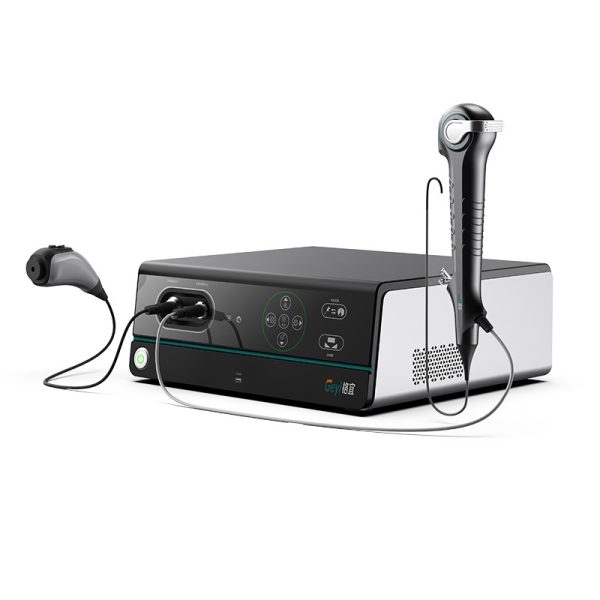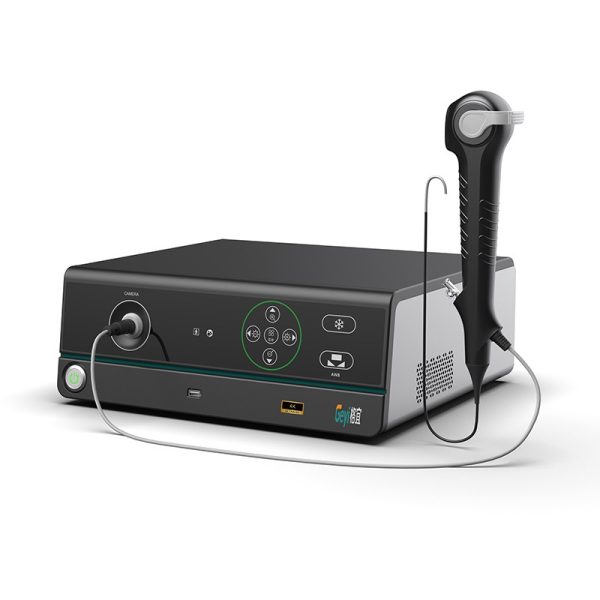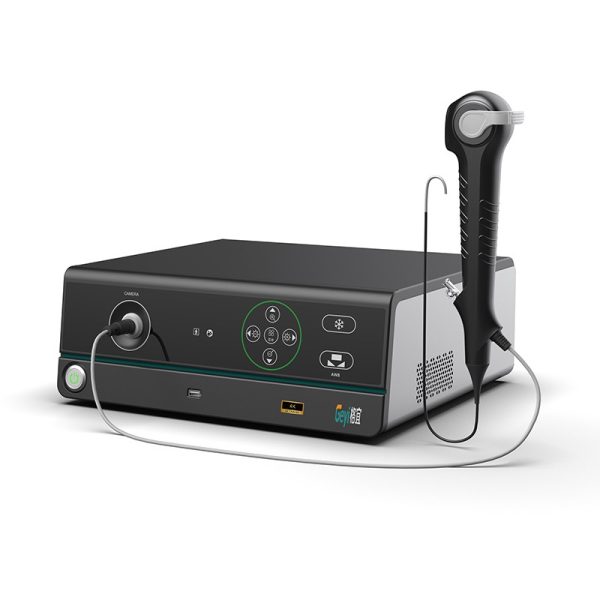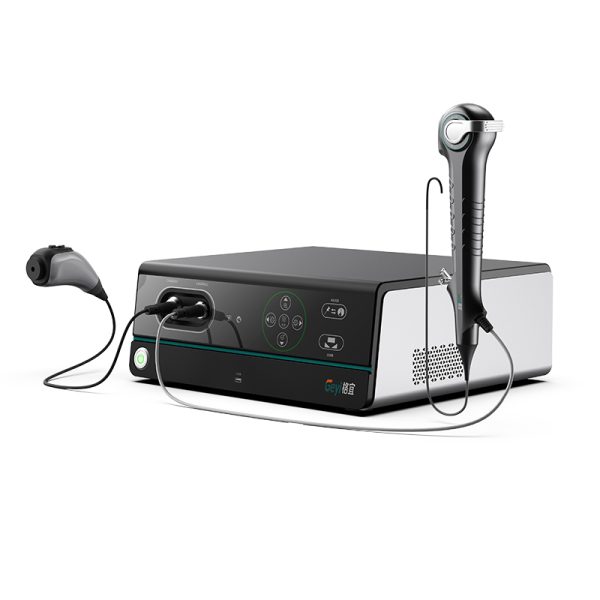
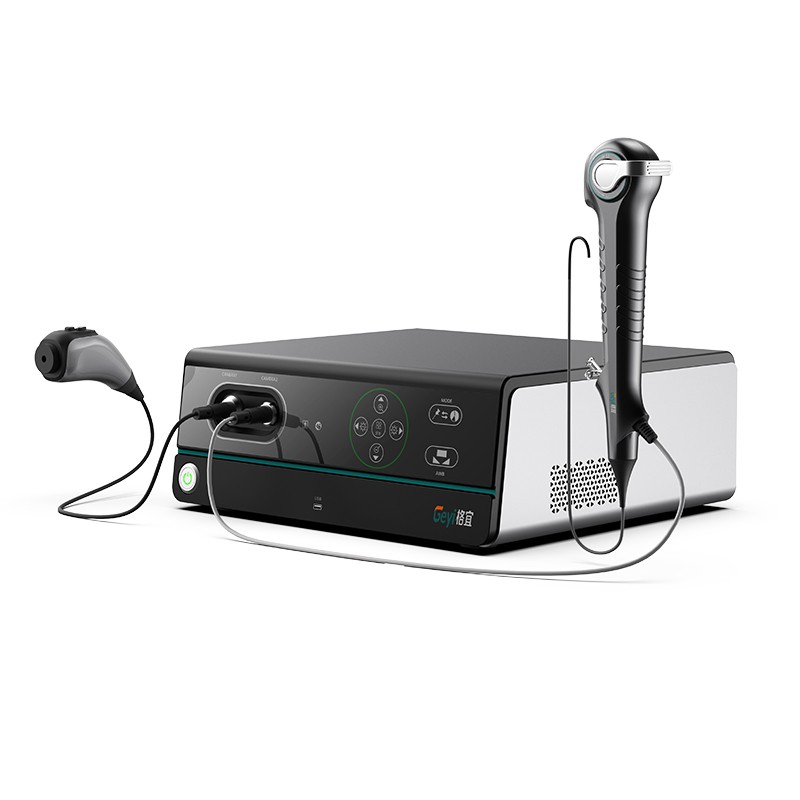
Endoscope Image Processor
The Endoscope Image Processor provides clear and high-quality images of the inside of the body, making it easier for doctors to see and diagnose any abnormalities or diseases.
- ISO 13485
- FDA 510(k) clearance
- CE certification
- OEM / private label
Manufactured by Zhejiang Geyi Medical Devices Co., Ltd. under the Jumping Spider™ brand. Model-level certificates confirmed on request.
Product description
The Endoscope Image Processor provides clear and high-quality images of the inside of the body, making it easier for doctors to see and diagnose any abnormalities or diseases.
Your Leading Zhejiang Geyi Medical Instrument Co., Ltd. Supplier
Zhejiang Geyi Medical Devices Co., Ltd. is a high-tech company integrating R & D, production, sales and service. It's headquartered in Jiande, Hangzhou City. The company has established a research and development and production base of 20000 m² in Jiande. It has a clean workshop of 5000 m² and a laboratory of 500 m². The company has a sound quality management system and equipment with a high degree of automation of production processes and testing methods, the company has successfully passed the "Medical Device Production Quality Control", "Management Standard" system assessment, and obtained ISO13485 medical device quality management system certification; Its product series of disposable trocars, digital endoscopes, electrocoagulation surgical instrument , surgical stapler series, endoscopic image camera systems, medical equipment have obtained domestic registration certificates and EU CE certificates.
Why Choose Us?
Competitive price
We have a professional purchasing team and costing team,trying to reduce costs and profits,and provide you with a good price.
24h online service
You can contact us to inquire about pre-sales, sales, and after-sales services, and we will give you a very satisfactory.We are at your service online 24 hours a day.
Quality control
For each process,we have strict inspection standards,and we always insist that quality is life.
One-stop Solution
With rich experience and one-to-one service,we can help you choose products and answer technical questions.
What Is Endoscope Image Processor?
An endoscope image processor is a medical device used to process the images captured by an endoscope during a diagnostic or surgical procedure. It enhances the image quality by adjusting the brightness, contrast, and color balance, and allows the physician to view the images on a monitor in real-time. The image processor is an important tool for accurate diagnosis and treatment planning, and helps to improve patient outcomes by providing clearer and more detailed images of the internal organs and structures.
Benefits of Endoscope Image Processor
Improved image quality
The Endoscope Image Processor provides clear and high-quality images of the inside of the body, making it easier for doctors to see and diagnose any abnormalities or diseases.
Enhanced visualization
The processor allows for better visualization of hard-to-reach areas of the body, and provides doctors with a more comprehensive view of the inside of the body.
Easy documentation
The Endoscope Image Processor allows doctors to capture and save images and videos of internal organs, making it easier to document any findings for future reference or sharing with other medical professionals.
Real-time monitoring
The processor allows doctors to monitor internal organs in real-time during a procedure, allowing them to make decisions and adjustments as needed to ensure the best possible outcome.
Reduced risk
The use of an Endoscope Image Processor can help reduce the risk of complications or errors during procedures, as doctors can see and identify any potential issues before they become serious problems.
Types of Endoscope Image Processor
01/
Analog endoscope image processor: This technology is relatively old and outdated, and it uses analog signals to capture and process the images from the endoscope.
02/
Digital endoscope image processor: This technology is modern and more advanced than the analog version. It uses digital signals to capture and process the images from the endoscope.
03/
High-definition endoscope image processor: This technology provides high-quality images and videos with crystal-clear resolution. It is especially useful in procedures that require detailed visualization of the internal organs.
04/
3D endoscope image processor: This technology can produce 3D images of the organs being examined, which can be extremely helpful during complex surgeries.
05/
Integrated endoscope image processor: This technology allows for both imaging and surgical procedures to be done with a single device, making the process more convenient and efficient.
06/
Wireless endoscope image processor: This technology eliminates the need for cables and wires that connect the endoscope to the display equipment, allowing for more flexibility and convenience during procedures.

Components of Endoscope Image Processor
Camera unit: This is the main part of the endoscope image processor as it captures the images from the endoscope and converts them to digital format.
Digital processor: This is the component that processes the digital images captured by the camera unit.
Display unit: This is the screen where the processed images can be seen.
Light source
This is the component that provides the illumination required to view the internal organs or tissues.
Control panel
This is the interface through which the doctor or technician controls the endoscope image processor and manipulates the images.
Recording unit
This is an optional component that allows the doctor or technician to record the images for future reference.
Storage unit
This is the component where the recorded images are stored for future use.
The Working Principle of Endoscope Camera
The working principle of the endoscope camera
The endoscope camera is connected to the endoscope through an optical interface, and the optical signal collected by the endoscope is converted into a digital signal, which is input to the image processing host, and then processed by the image processing host and output to the display for display.
Imaging principle
The light emitted by the light source is transmitted to the human body through the main body of the endoscope through the transmission beam (optical fiber), and illuminates the part of the internal cavity tissue that needs to be inspected. The objective lens images the part to be inspected on the area array CCD, and the CCD is controlled by the CCD drive circuit. Capture images and output standard video signals. The adjustment mechanism is used to adjust the observation angle of the front end of the endoscope, which can be adjusted up and down, left and right, and rotated.
The key components of the endoscopic camera system are the image processing host and the endoscopic camera.
The image processing host is the control center of the entire camera system, used to process the surgical video and images captured from the camera. The front panel of the image processing host is mainly composed of a power button, a camera interface, a USB interface, and a white balance button. The rear panel is mainly a variety of video output interfaces and control interfaces, such as monitor, keyboard, mouse, etc.
The endoscope camera is mainly used for video and image collection. It converts the image signal collected by the endoscope into an electrical signal through a sensor, and then transmits it to the image processing host through a cable for processing.
Endoscope camera system has been widely used in various departments, clinically commonly used in otolaryngology, urology, gynecology, ophthalmology, orthopedics, neurosurgery, medical aesthetics and plastic surgery and other departments, suitable for otoscope, sinusoscope, nasopharyngoscope , Laparoscopy, Hysteroscopy, Arthroscopy, Intervertebral Foramoscope, Ureteroscopy, Fiberoptic Bronchoscopy and other fields of endoscopy.
What Features Should Be Considered When Selecting an Endoscope Image Processor?
Image quality: High-resolution image processing capabilities that can produce clear images with accurate colors and details are essential.
Compatibility: Ensure that the image processor is compatible with the specific endoscope and accessories that will be used.
Connectivity: The ability to connect the endoscope image processor to a range of displays, such as monitors or video recorders, is crucial for smooth operation.
User interface
An intuitive user interface can be beneficial for efficient operation and ease of use.
Storage capacity
The ability to store enough images and videos is vital to ensure the ability to conduct post-procedure reviews, compliance with regulatory requirements, and for subsequent patient management.
Service and support
Consider available support for the endoscope image processor, manufacturer's warranty, repair, and maintenance.
Advanced features
Advanced features, such as digital zoom, multiple image capture modes, and electronic image flipping, can be very useful to make the image capturing process smoother.
Durability
The endoscope image processor should be built to last, in compliance with healthcare durability standards.
Cost and value
Consider the cost of the endoscope image processor, the value provided and compatibility with other equipment, and the overall return on investment.
How Can Endoscope Image Processors Be Integrated with Other Medical Equipment?
Endoscope image processors can be integrated with other medical equipment using several techniques, including:
Digital interfaces
Endoscope image processors can be equipped with digital interfaces, such as USB and HDMI ports, which allow for seamless integration with other digital medical devices. For example, an endoscope image processor can be connected to a computer, monitor, or digital recording device through a USB port.
Wireless connectivity
Endoscope image processors can also be equipped with wireless connectivity capabilities, such as Bluetooth and Wi-Fi channels, to allow for remote control and integration with other devices and systems. For instance, an endoscope image processor can be connected to a mobile device or tablet through a wireless connection, enabling remote access and control.


Compatibility protocols
Endoscope image processors can be designed with compatibility protocols that enable seamless integration with other medical devices. These protocols define the data format, communication protocols, and the electrical and mechanical interface required for the two devices to interact, ensuring that the devices can work together without any compatibility issues.
Custom built-in connections
Some endoscope image processors can be customized with built-in connections to specific medical equipment, such as surgical microscopes, video laryngoscopes, or electrosurgical generators, allowing for seamless integration during procedures or surgeries.
How Does Image Quality Affect Diagnostic Accuracy?
Image quality plays a vital role in diagnostic accuracy because it impacts the ability of medical professionals to accurately interpret abnormalities in the image. High-quality images provide more detailed and clearer visual information, which allows for better identification and characterization of abnormalities.
Poor image quality can lead to misinterpretation, missing important information, or making incorrect diagnoses. Inaccurate diagnoses can lead to delayed treatment, missed diagnoses, and inappropriate treatments, which can negatively impact patient outcomes.
Therefore, optimizing the image quality is essential to ensuring accurate diagnoses and improved patient care. Advanced imaging techniques and technology such as high-resolution imaging, contrast agents, and computer-aided diagnostics can help improve image quality and enhance diagnostic accuracy.
What Is the Difference Between an Endoscope and an Endoscopy?
An endoscope is a medical device that consists of a long, flexible tube with a camera and light at the end. It is used to examine the inside of the body, such as the gastrointestinal tract, bladder, or lungs.
Endoscopy, on the other hand, is the medical procedure that uses the endoscope to examine the inside of the body. It involves inserting the endoscope into the body through a natural opening, such as the mouth or anus, or through a small incision. The images captured by the endoscope are displayed on a monitor, allowing the doctor to see the inside of the body and diagnose and treat any abnormalities.
Application of Endoscope Image Processor
1
Image enhancement: The image processor enhances the quality of the captured images by adjusting parameters such as brightness, contrast, and color balance. This ensures that the images are clear and detailed, allowing healthcare professionals to accurately visualize and interpret the findings.
2
Image recording and storage: The image processor enables the recording and storage of endoscopic images and videos. This is important for documentation, reference, and sharing with other healthcare professionals for consultation or educational purposes.
3
Image display and visualization: The image processor provides real-time display of endoscopic images on a monitor, allowing healthcare professionals to visualize the internal structures and abnormalities within the body. It enables a clear and detailed view of the captured images, aiding in diagnosis and treatment planning.
4
Image Analysis and Measurement: The image processor may include software tools for image analysis and measurement. This allows healthcare professionals to perform measurements, annotations, and comparisons of structures or lesions within the captured images. It aids in accurate diagnosis, monitoring of disease progression, and treatment evaluation.
5
Image integration and connectivity: The image processor may have connectivity options to integrate with other medical devices or systems. This enables seamless integration of endoscopic images with electronic medical records (EMRs) or picture archiving and communication systems (PACS), facilitating efficient data management and retrieval.
6
Image transmission and telemedicine: The image processor may support image transmission capabilities, allowing real-time or store-and-forward transmission of endoscopic images to remote locations. This enables telemedicine applications, where healthcare professionals can remotely view and interpret the images, providing expert opinions and guidance.
7
Image guided procedures: In some advanced endoscopy procedures, the image processor may provide image overlay or image fusion capabilities. This allows the superimposition of preoperative imaging (such as CT or MRI) onto the real-time endoscopic images, aiding in navigation and guidance during complex procedures.
Process of Endoscope Image Processor
01/
Image capture: The endoscope captures images of the internal structures or organs of the body. These images are typically transmitted through a fiber optic bundle or a digital imaging sensor within the endoscope.
02/
Image transmission: The captured images are transmitted from the endoscope to the image processor. This can be done through a wired connection or wirelessly, depending on the specific system.
03/
Image processing: The image processor receives the transmitted images and performs various processing techniques to enhance the quality and clarity of the images. This includes adjustments to parameters such as brightness, contrast, color balance, and sharpness.
04/
Image display: The processed images are displayed on a monitor or screen connected to the image processor. This allows healthcare professionals to visualize the internal structures and abnormalities within the body in real-time.
05/
Image recording and storage: The image processor may have the capability to record and store the processed images. This is important for documentation, reference, and sharing with other healthcare professionals. The images can be stored in a digital format for easy retrieval and future analysis.
06/
Image analysis and measurement: The image processor may include software tools for image analysis and measurement. This allows healthcare professionals to perform measurements, annotations, and comparisons of structures or lesions within the captured images. It aids in accurate diagnosis, monitoring of disease progression, and treatment evaluation.
07/
Image integration and connectivity: The image processor may have connectivity options to integrate with other medical devices or systems. This enables seamless integration of endoscopic images with electronic medical records (EMRs) or picture archiving and communication systems (PACS), facilitating efficient data management and retrieval.
08/
Image transmission and telemedicine: The image processor may support image transmission capabilities, allowing real-time or store-and-forward transmission of endoscopic images to remote locations. This enables telemedicine applications, where healthcare professionals can remotely view and interpret the images, providing expert opinions and guidance.
How to Maintain Endoscope Image Processor
Regular cleaning: Clean the exterior of the image processor regularly using a soft, lint-free cloth and mild cleaning solution. Avoid using abrasive materials or harsh chemicals that may damage the surface.
Proper storage: Store the image processor in a clean and dry environment, away from excessive heat, moisture, or dust. Follow the manufacturer's recommendations for storage conditions.
Dust and debris removal: Use compressed air or a soft brush to remove any dust or debris that may accumulate on the vents or openings of the image processor. This helps to prevent overheating and maintain proper airflow.
Calibration and maintenance checks: Follow the manufacturer's recommended schedule for calibration and maintenance checks. This may involve periodic inspections, software updates, or component replacements to ensure accurate image processing and functionality.
Power supply: Ensure that the image processor is connected to a stable power supply and use surge protectors to protect against power fluctuations or electrical surges.
Avoid liquid exposure: Keep liquids away from the image processor to prevent damage. In case of accidental spills, immediately power off the device, disconnect it from the power source, and follow the manufacturer's instructions for cleaning and drying.
Professional servicing: If you encounter any issues or abnormalities with the image processor, contact the manufacturer or authorized service provider for professional servicing and repairs. Avoid attempting to repair or modify the device yourself, as it may void the warranty or cause further damage.
Certifications


Our Factory
Up to now, the company has got more than 50 patents for core product inventions and utility models. Rely on excellent products quality, perfect after-sales service, unremitting efforts, independent research and development, the products have been marketed all over the world, contributed to human health care.


FAQ
Hot Tags: endoscope image processor, China endoscope image processor manufacturers, suppliers, factory, Endoscope Image Processor, Medical Endoscope Monitor, Endoscope Monitor