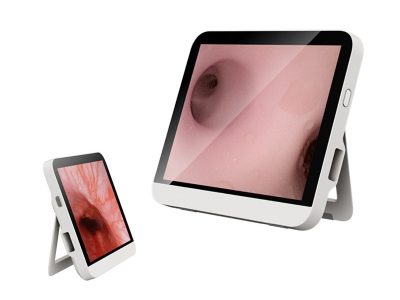
What are the market trends for endoscope monitors?
Yo, what’s up everyone! As a supplier of Endoscope Monitors, I’ve been keeping a close eye on the…
Read article →

Hey there! As a supplier of Bronchoscope Flexible, I often get asked about the ins and outs of airway lavage using a flexible bronchoscope. Today, I’m gonna break down the contraindications for this procedure. It’s super important to know these before diving into any medical intervention, so let’s get started!
First off, what’s airway lavage with a flexible bronchoscope? Well, it’s a technique where doctors use a thin, flexible tube (the bronchoscope) to reach deep into the lungs and wash out secretions, cells, or foreign substances. It’s a valuable diagnostic and therapeutic tool, but like any medical procedure, it has its limitations.
One of the big no – no’s is severe hypoxemia. When a patient’s oxygen levels are critically low, performing airway lavage can further compromise their oxygenation. The procedure involves introducing fluid into the airways, which can temporarily disrupt the normal gas exchange in the lungs. If a patient already has trouble getting enough oxygen, this disruption can be life – threatening. For example, patients with advanced chronic obstructive pulmonary disease (COPD) or acute respiratory distress syndrome (ARDS) who are on high – flow oxygen or mechanical ventilation may be at high risk.


Patients with unstable cardiovascular conditions, such as recent myocardial infarction (heart attack), severe arrhythmias, or uncontrolled heart failure, are not good candidates for airway lavage. The stress of the procedure, including the insertion of the bronchoscope and the introduction of fluid, can put additional strain on the heart. In some cases, it can trigger a cardiac event, like a new arrhythmia or a worsening of heart failure symptoms. So, before considering airway lavage, doctors need to make sure the patient’s heart is stable.
If a patient has a severe coagulation disorder, meaning their blood doesn’t clot properly, airway lavage can be extremely dangerous. The bronchoscope insertion and the lavage process can cause some minor trauma to the airway mucosa, and if the patient’s blood can’t clot, it can lead to significant bleeding. Conditions like hemophilia or severe liver disease that affect clotting factors are major red flags.
Patients who have had a recent episode of pulmonary hemorrhage (bleeding in the lungs) need to be carefully evaluated before airway lavage. While it might seem counterintuitive, the procedure could potentially dislodge clots and cause the bleeding to start again. However, in some cases, if the bleeding has stopped and the benefits of the lavage (such as diagnosing the cause of the hemorrhage) outweigh the risks, it may still be considered.
When there’s an obstruction in the trachea or larynx, inserting a bronchoscope can be difficult and dangerous. The obstruction may prevent the proper passage of the bronchoscope, and trying to force it through can cause further damage to the airway. It could also lead to complete airway blockage, which is a medical emergency. Sometimes, alternative diagnostic or treatment methods need to be explored in these cases.
Extremely obese patients can present challenges during airway lavage. Their anatomy can make it harder to visualize and access the airways properly. Also, they may have more difficulty tolerating the procedure due to increased pressure on the chest and lungs. However, with proper equipment and experienced operators, it may still be possible to perform the lavage safely.
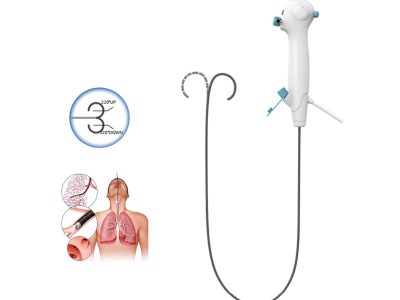
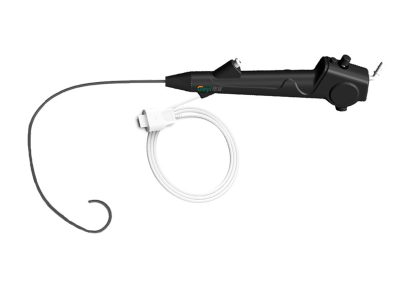
As a supplier of Bronchoscope Flexible, I understand the importance of having the right equipment for the job. We offer a range of high – quality bronchoscopes, including the Single Use Bronchoscope, which is great for reducing the risk of cross – contamination. Our Portable Bronchoscope is ideal for use in different settings, whether it’s in a hospital room or an emergency situation. And if you’re looking for a cost – effective and convenient option, our Disposable Bronchoscope is a great choice.
Doctors need to weigh the risks and benefits of airway lavage for each patient. They consider the patient’s overall health, the reason for the procedure, and the available alternatives. In some cases, the potential benefits of getting a diagnosis or treating a condition may justify taking on some of the risks associated with the contraindications. But in other cases, it’s simply too dangerous to proceed.
If you’re in the medical field and are interested in our Bronchoscope Flexible products, or if you have any questions about the contraindications of airway lavage, feel free to reach out. We’re here to provide you with the best equipment and support for your patients’ needs. Contact us to start a procurement discussion and see how we can help you.
 Blog
Blog
 Blog
Blog
 Blog
Blog