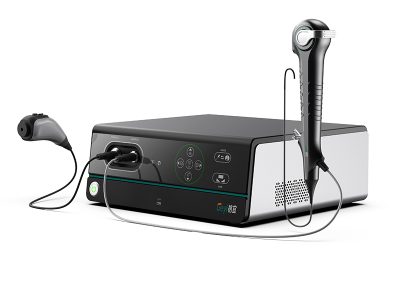
What is the power management strategy of an endoscopy camera system?
As a supplier of Endoscopy Camera Systems, I’ve witnessed firsthand the critical role that power management plays in…
Read article →

Hey there! As a supplier of Single Use Cystoscopes, I’ve been getting a lot of questions lately about the regulatory requirements for these nifty medical devices. So, I thought I’d sit down and write a blog post to share what I’ve learned and help clear up any confusion.
First off, let’s talk about what a single use cystoscope is. In simple terms, it’s a medical instrument used to examine the inside of the bladder and the urethra. Unlike traditional reusable cystoscopes, single use ones are designed to be used just once and then disposed of. This helps reduce the risk of cross – contamination and infection, which is a huge plus in the medical field.
In the United States, the Food and Drug Administration (FDA) is the big player when it comes to regulating medical devices, including single use cystoscopes. The FDA has a classification system for medical devices, and cystoscopes fall into Class II. This means they’re considered to have a moderate to high risk, and thus require special controls in addition to general controls.
General controls are the basic requirements that apply to all medical devices. These include things like registration and listing of the manufacturer, pre – market notification (510(k) submission), and compliance with Good Manufacturing Practices (GMP). When a company wants to introduce a single use cystoscope to the US market, they need to submit a 510(k) pre – market notification to the FDA. This is a document that shows the device is substantially equivalent to a legally marketed device (the predicate device). The submission has to include data on the device’s design, performance, safety, and effectiveness.
Special controls for Class II devices like single use cystoscopes might involve additional testing, post – market surveillance, or specific labeling requirements. For example, the labeling has to clearly state that the device is for single use only. This is crucial because reusing a single use cystoscope can lead to serious health risks for patients, such as infections.
Over in the European Union (EU), the regulatory landscape is a bit different. The EU has its own set of regulations for medical devices, and as of May 2021, the Medical Device Regulation (MDR) 2017/745 has been in force. Under the MDR, single use cystoscopes are also classified as Class IIa devices.
To place a single use cystoscope on the EU market, manufacturers need to get a Conformité Européene (CE) mark. This mark indicates that the device meets all the relevant EU safety, health, and environmental protection requirements. To obtain the CE mark, manufacturers have to go through a conformity assessment procedure. This usually involves a combination of internal checks by the manufacturer and an audit by a notified body (a third – party organization authorized by the EU member states).


The MDR also has strict requirements for clinical evaluation. Manufacturers need to provide evidence that the single use cystoscope is safe and effective through clinical data. This can come from clinical trials, literature reviews, or post – market surveillance. And just like in the US, the labeling of the device in the EU has to be accurate and clear, stating that it’s for single use only.
Apart from the US and the EU, there are other regulatory bodies around the world that have their own requirements for single use cystoscopes. For example, in Canada, Health Canada regulates medical devices. They have a medical device licensing system, and manufacturers need to obtain a medical device license before they can sell their single use cystoscopes in the Canadian market.
In Australia, the Therapeutic Goods Administration (TGA) is responsible for regulating medical devices. The TGA has a similar classification system to the FDA and requires manufacturers to meet certain safety and quality standards.
You might be wondering, why all these regulations? Well, the main reason is patient safety. Single use cystoscopes are used in a very sensitive area of the body, and any malfunction or contamination can have serious consequences for the patient. Regulations ensure that these devices are safe, effective, and of high quality.
For us as a supplier, complying with these regulations is not just a legal obligation; it’s also a way to build trust with our customers. When hospitals and clinics know that our single use cystoscopes meet all the regulatory requirements, they can be confident in using them for their patients.
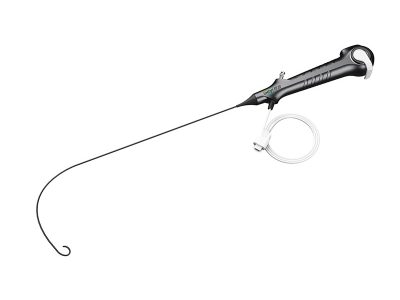
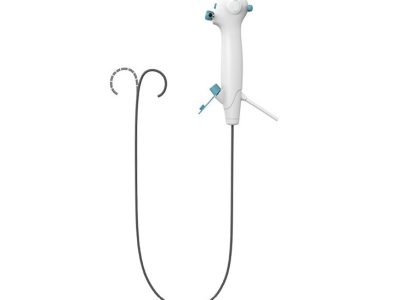
We’re proud to offer a range of single use cystoscopes that are designed to meet the highest regulatory standards. Check out our Disposable Cystoscope, which is not only convenient but also highly reliable. If you’re looking for something more portable, our Portable Cystoscope is a great option. And for those who need more flexibility, our Disposable Flexible Cystoscope is the way to go.
If you’re interested in purchasing our single use cystoscopes, we’d love to hear from you. Whether you’re a small clinic or a large hospital, we can work with you to meet your needs. Just reach out to us, and we’ll start the procurement discussion. We’re committed to providing you with the best products and services at competitive prices.
 Blog
Blog
 Blog
Blog
 Blog
Blog