Can a portable cystoscope be used at home?
Hey there! As a supplier of Portable Cystoscopes, I often get asked this question: Can a portable cystoscope…
Read article →

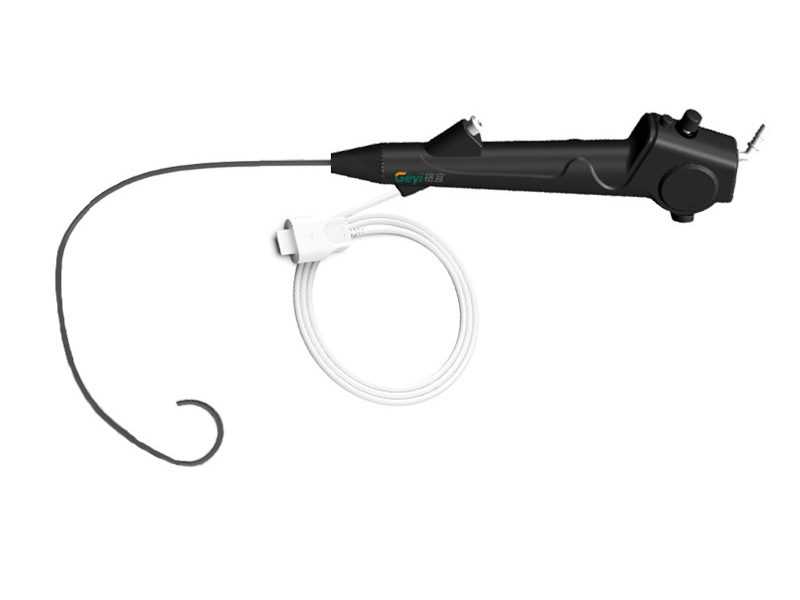
In the field of urology, cystoscopy is a crucial diagnostic and therapeutic procedure. A cystoscope is an instrument that allows doctors to examine the inside of the bladder and the urethra. In recent years, single use cystoscopes have gained significant popularity due to their numerous advantages, especially in terms of safety. As a supplier of Single Use Cystoscope, I am well – versed in the safety features of these innovative medical devices.
One of the most prominent safety features of a single use cystoscope is the complete elimination of cross – contamination risks. Traditional reusable cystoscopes require thorough cleaning and sterilization between each use. However, despite strict sterilization protocols, there is always a small risk of residual pathogens remaining on the instrument. These pathogens can include bacteria, viruses, and fungi, which can cause serious infections in patients.


For example, in some cases, improper cleaning of reusable cystoscopes has led to outbreaks of infections such as Pseudomonas aeruginosa, a bacterium that can cause severe urinary tract infections and even sepsis in vulnerable patients. With a single use cystoscope, once it is used on a patient, it is discarded. This ensures that there is no chance of a patient being exposed to pathogens from a previous use, providing a much higher level of safety for patients undergoing cystoscopy.
Single use cystoscopes are manufactured under strict quality control measures. Each device is produced in a controlled environment, ensuring that it meets the highest standards of quality and performance. Unlike reusable cystoscopes, which can experience wear and tear over multiple uses, single use cystoscopes are always in pristine condition.
The optical system of a single use cystoscope, for instance, is designed to provide clear and accurate visualization of the bladder and urethra. The lenses are free from scratches and other defects that can occur over time with repeated use and cleaning of reusable cystoscopes. This consistent quality is essential for accurate diagnosis and safe treatment during cystoscopy procedures. A doctor can rely on the single use cystoscope to provide reliable images, reducing the risk of misdiagnosis or complications during the procedure.
Reusable cystoscopes require regular maintenance and occasional repairs, which can introduce additional safety risks. Maintenance procedures, such as disassembly and reassembly of the instrument, can sometimes lead to improper reassembly, resulting in malfunction or reduced performance. Repairs may also involve the use of replacement parts, which may not always be of the same quality as the original components.
In contrast, single use cystoscopes do not require any maintenance or repairs. Once the device is used, it is simply discarded. This eliminates the potential safety hazards associated with maintenance and repair processes, ensuring that the cystoscope is always in a safe and functional state when used on a patient.
Single use cystoscopes are designed with ergonomics in mind. The handles are designed to provide a comfortable and secure grip for the doctor performing the procedure. This reduces the risk of the instrument slipping during insertion or manipulation, which could cause injury to the patient.
The overall design of the single use cystoscope is also optimized for ease of use. The controls are intuitive and easy to operate, allowing the doctor to focus on the procedure rather than struggling with a complex instrument. This not only improves the efficiency of the procedure but also enhances patient safety by reducing the likelihood of accidental damage to the bladder or urethra.
Many single use cystoscopes come with integrated safety mechanisms. For example, some devices are equipped with a pressure sensor that can detect if the pressure inside the bladder exceeds a safe level during irrigation. If the pressure becomes too high, the sensor can trigger an automatic shut – off of the irrigation system, preventing over – distension of the bladder, which can lead to bladder rupture or other complications.
Other safety mechanisms may include a tip protection system to prevent damage to the delicate tissues during insertion and removal of the cystoscope. These integrated safety features provide an additional layer of protection for patients, ensuring that the cystoscopy procedure is as safe as possible.
Single use cystoscopes are designed to be compatible with standard urological equipment. This means that they can be easily integrated into existing clinical workflows without the need for significant changes or additional training. For example, they can be used with standard light sources and camera systems, allowing for seamless integration with the hospital’s existing diagnostic and imaging infrastructure.
This compatibility reduces the risk of errors or complications that can occur when using non – compatible equipment. Doctors and nurses are already familiar with the operation of standard urological equipment, so using a single use cystoscope that is compatible with this equipment ensures that the procedure can be carried out safely and efficiently.
In addition to patient safety, single use cystoscopes also offer some environmental safety benefits. While the disposal of single use medical devices does generate some waste, modern single use cystoscopes are often designed with materials that are more environmentally friendly. Some manufacturers use biodegradable or recyclable materials in the construction of their single use cystoscopes, reducing the overall environmental impact.
Moreover, the reduced risk of infections associated with single use cystoscopes can lead to fewer hospital – acquired infections. This, in turn, can reduce the use of antibiotics and other medications, which can have a positive impact on the environment by reducing the spread of antibiotic – resistant bacteria.
If you are interested in the safety features of our Single Use Cystoscope, Disposable Cystoscope, or Portable Cystoscope and would like to discuss procurement, we encourage you to reach out. Our team of experts is ready to provide you with detailed information about our products, pricing, and delivery options. We are committed to providing high – quality, safe, and reliable single use cystoscopes to meet your clinical needs.
 Blog
Blog
 Blog
Blog