How does the endoscopy camera system’s focus range work?
Hey there! As a supplier of the Endoscopy Camera System, I often get asked about how the focus…
Read article →

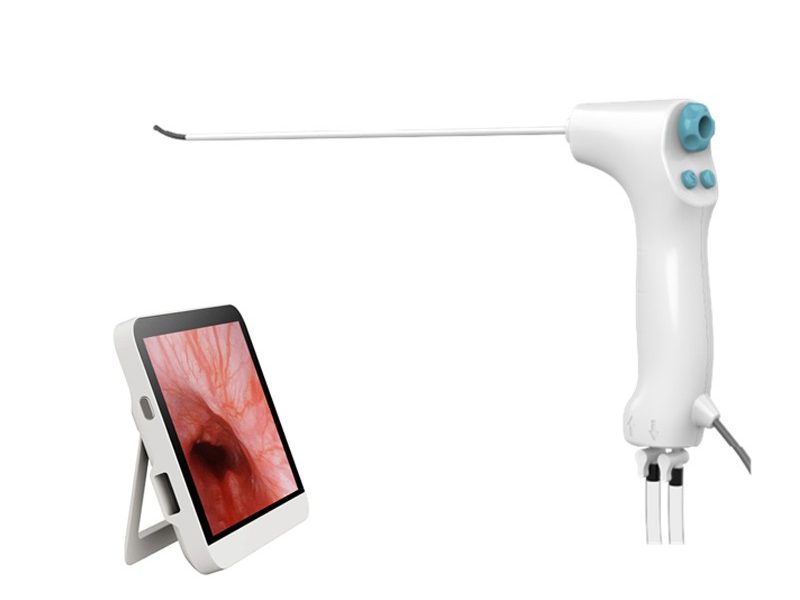
Hysteroscopy is a minimally invasive procedure that allows doctors to examine the inside of the uterus. It is commonly used to diagnose and treat various gynecological conditions, such as abnormal uterine bleeding, polyps, fibroids, and adhesions. While hysteroscopy is generally considered a safe procedure, like any medical intervention, it can be associated with certain complications. As a leading hysteroscope supplier, we understand the importance of being aware of these potential complications and their signs.
One of the most common immediate complications after hysteroscopy is bleeding. Minor bleeding is normal and usually subsides within a few days. However, excessive bleeding, which is characterized by soaking through more than one sanitary pad per hour or the presence of large blood clots, can be a sign of a more serious problem. This may be due to trauma to the uterine lining during the procedure or the inability of the blood vessels to clot properly. If you experience heavy bleeding, it is crucial to contact your healthcare provider immediately.
Infection is another potential complication following hysteroscopy. Signs of infection may include fever, chills, pelvic pain, foul – smelling vaginal discharge, or increased redness and swelling at the site of any incisions (if applicable). The risk of infection can be minimized by following proper pre – and post – procedure hygiene protocols, but it can still occur. If you suspect an infection, prompt medical attention is necessary as untreated infections can lead to more severe health issues, such as pelvic inflammatory disease.
Uterine perforation is a rare but serious complication that can occur during hysteroscopy. It happens when the hysteroscope or other instruments puncture the wall of the uterus. Signs of uterine perforation may include sudden, severe pelvic pain, abdominal tenderness, and in some cases, signs of internal bleeding such as dizziness, light – headedness, or a rapid heart rate. If uterine perforation is suspected, immediate evaluation and treatment are required, which may involve surgery to repair the damage.
Adhesions are bands of scar tissue that can form inside the uterus after hysteroscopy. These adhesions can cause problems such as infertility, pelvic pain, and abnormal menstrual cycles. Signs of adhesion formation may not be apparent immediately after the procedure. Over time, you may notice changes in your menstrual pattern, such as lighter or heavier periods, or experience pain during intercourse or menstruation. If you have a history of hysteroscopy and are experiencing these symptoms, it is important to discuss them with your doctor.
During hysteroscopy, a fluid is often used to distend the uterus for better visualization. In some cases, the body may not be able to process this fluid properly, leading to fluid overload. Symptoms of fluid overload can include shortness of breath, swelling in the legs or ankles, and a feeling of fullness or bloating. This complication requires careful monitoring and may need medical intervention to correct the fluid balance in the body.
Although rare, there is a risk of damage to the fallopian tubes during hysteroscopy. Tubal damage can affect fertility and may lead to an increased risk of ectopic pregnancy. Signs of tubal damage may not be obvious right away. If you are trying to conceive after hysteroscopy and are having difficulty, or if you experience pelvic pain on one side, it could potentially be related to tubal damage.


As a supplier of high – quality hysteroscopes, we offer a range of products to meet different clinical needs. Our Single Use Hysteroscope provides a cost – effective and hygienic solution, reducing the risk of cross – contamination. The Flexible Hysteroscope offers enhanced maneuverability and visualization, allowing for more precise procedures. And our Portable Hysteroscope is ideal for point – of – care settings, providing flexibility and convenience.
If you are a medical professional or a healthcare facility interested in our hysteroscope products, we encourage you to reach out to us for more information and to discuss your specific requirements. Our team of experts is ready to assist you in finding the best hysteroscope solutions for your practice. By choosing our reliable and innovative hysteroscopes, you can help ensure the safety and success of hysteroscopy procedures for your patients.
 Blog
Blog
 Blog
Blog