What should I expect during a flexible hysteroscopy procedure?
When considering a flexible hysteroscopy procedure, it’s essential to understand what to expect. As a trusted supplier of…
Read article →

A cystoscope is a specialized medical instrument that plays a crucial role in urology. It allows urologists to visually examine the interior of the bladder and the urethra, the tube that carries urine from the bladder out of the body. This direct visualization is essential for diagnosing a wide range of urological conditions, from minor irritations to serious diseases.
At its core, a cystoscope is a thin, tube-like device that is inserted into the urethra and advanced into the bladder. It is equipped with a light source and a lens system, which can either be a traditional optical lens or a digital camera. The light illuminates the inside of the bladder, while the lens system captures the images and transmits them to a monitor for the doctor to view.
There are two main types of cystoscopes: rigid and flexible. Rigid cystoscopes are straight and made of metal or plastic. They are typically used for more straightforward examinations and certain procedures. Rigid cystoscopes offer high-quality images and are well-suited for procedures that require precise manipulation, such as taking tissue samples (biopsies) or removing small growths.
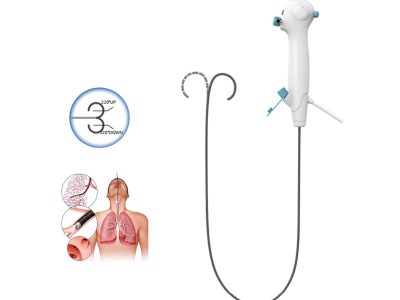
On the other hand, Flexible Cystoscope are designed with a bendable tip. This flexibility allows the urologist to navigate around the curves of the urethra and bladder more easily, providing a more comprehensive view. Flexible cystoscopes are often preferred for diagnostic purposes, as they are generally more comfortable for the patient and can reach areas that may be difficult to access with a rigid scope.
Cystoscopy is usually performed in a urologist’s office or a hospital setting. Before the procedure, the patient may be given a local anesthetic to numb the urethra and reduce discomfort. In some cases, a general anesthetic may be used, especially for more complex procedures or if the patient is unable to tolerate the local anesthetic.
Once the anesthetic has taken effect, the cystoscope is carefully inserted into the urethra and slowly advanced into the bladder. The urologist then uses the controls on the cystoscope to adjust the position and direction of the scope, allowing for a detailed examination of the bladder walls, the openings of the ureters (the tubes that carry urine from the kidneys to the bladder), and the urethra.
During the examination, the urologist may take photographs or videos of any abnormal areas for further analysis. If necessary, they can also use special instruments passed through the working channel of the cystoscope to take tissue samples or perform minor treatments, such as removing small polyps or stones.
Cystoscopy is a versatile tool that can be used for a variety of diagnostic and therapeutic purposes. Some of the common reasons for performing a cystoscopy include:
As a leading Cystoscope supplier, we offer a wide range of high-quality cystoscopes that are designed to meet the needs of urologists and their patients. Our cystoscopes are manufactured using the latest technology and materials, ensuring superior performance and reliability.
One of the key advantages of our cystoscopes is their advanced imaging capabilities. Our scopes are equipped with high-resolution cameras and advanced lighting systems, which provide clear and detailed images of the bladder and urethra. This allows urologists to make accurate diagnoses and perform precise treatments.
Another advantage of our cystoscopes is their ergonomic design. We understand that urologists spend long hours performing cystoscopies, so we have designed our scopes to be comfortable to hold and easy to use. Our scopes feature intuitive controls and lightweight construction, reducing fatigue and improving the overall efficiency of the procedure.
In addition to our standard cystoscopes, we also offer Disposable Cystoscope and Disposable Flexible Cystoscope. These disposable scopes offer several benefits, including reduced risk of cross-contamination, lower maintenance costs, and increased convenience.
If you are a urologist or a healthcare provider in need of high-quality cystoscopes, we invite you to contact us to learn more about our products and services. Our team of experts is available to answer your questions, provide product demonstrations, and help you choose the right cystoscope for your needs.


We are committed to providing our customers with the best possible products and support. Whether you are looking for a rigid cystoscope, a flexible cystoscope, or a disposable cystoscope, we have the solution for you. Contact us today to start a conversation about your cystoscope requirements and take the first step towards improving the quality of care for your patients.
 Blog
Blog