What is the success rate of removing polyps with a cystoscope?
The success rate of removing polyps with a cystoscope is a topic of significant interest to both medical…
Read article →

Portable cystoscopes are essential medical devices used in urology for direct visualization of the urinary bladder and urethra. Ensuring their accuracy and reliability is crucial for providing high – quality patient care. One of the key aspects in maintaining the performance of a portable cystoscope is the calibration process. In this blog, we will explore the frequency of calibration required for a portable cystoscope, which is of great significance for both medical professionals and those in the healthcare industry.
Calibration of a portable cystoscope is the process of adjusting and verifying its performance to ensure that the images and measurements it provides are accurate. In urological examinations, precise visualization and measurement are vital for accurate diagnosis. Incorrect calibration can lead to misinterpretation of the condition of the bladder and urethra, potentially resulting in improper treatment decisions.
A well – calibrated cystoscope can provide clear images, accurate measurements of lesions, and reliable visualization of anatomical structures. This not only improves the quality of diagnosis but also enhances patient safety. For example, when detecting bladder tumors, an accurately calibrated cystoscope can help doctors precisely measure the size and location of the tumor, which is crucial for determining the appropriate treatment plan.
The more frequently a portable cystoscope is used, the more likely it is to experience wear and tear, which can affect its calibration. In a busy urology clinic where cystoscopies are performed multiple times a day, the cystoscope is subject to continuous mechanical stress, electrical fluctuations, and potential damage from repeated sterilization. In such high – volume settings, more frequent calibration may be required. For instance, if a cystoscope is used for 5 – 10 procedures per day, it might need calibration every 1 – 2 months. On the other hand, in a smaller clinic with less patient traffic, where the cystoscope is used only a few times a week, calibration every 3 – 6 months may be sufficient.
The environment in which the portable cystoscope is stored and used can also impact its calibration. High humidity, extreme temperatures, and exposure to dust or chemicals can cause components of the cystoscope to degrade over time. For example, if the cystoscope is stored in a damp storage room, the moisture can corrode the electrical connections, leading to inaccurate image quality and measurement. In harsh environmental conditions, it is advisable to calibrate the cystoscope more frequently, perhaps every 1 – 3 months.
Manufacturers usually provide guidelines on the calibration frequency based on their product testing and quality control. These recommendations take into account the design and materials of the cystoscope. It is essential to follow the manufacturer’s instructions carefully. Some manufacturers may recommend calibration every 6 – 12 months for normal usage conditions, while others may have more specific requirements depending on the model and features of the cystoscope.
Based on the above factors, we can provide some general guidelines for the calibration frequency of portable cystoscopes:
In a setting where the portable cystoscope is used less than 10 times per month and is stored in a stable environment, calibration once every 6 – 12 months is usually sufficient. This allows for the detection of any minor calibration drifts that may occur over time due to normal aging of the components.
For clinics or hospitals where the cystoscope is used 10 – 30 times per month, calibration every 3 – 6 months is recommended. The increased usage in these settings means that the cystoscope is more likely to experience mechanical and electrical stress, so more frequent calibration helps to maintain its accuracy.
In high – volume urology centers where the cystoscope is used more than 30 times per month, calibration every 1 – 3 months is advisable. The continuous use in these settings puts significant strain on the cystoscope, and regular calibration is necessary to ensure reliable performance.
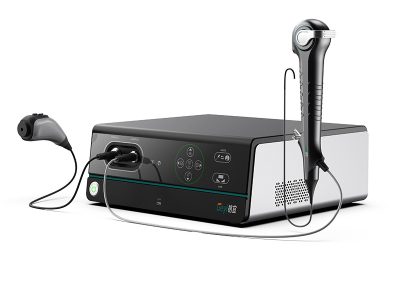
As a leading supplier of portable cystoscopes, we understand the importance of calibration. We offer a comprehensive calibration service to our customers. Our team of highly trained technicians uses state – of – the – art calibration equipment to ensure that your cystoscope is calibrated to the highest standards.
We also provide educational resources to our customers on how to properly use and maintain their cystoscopes to minimize the need for frequent calibration. For example, we offer training on correct sterilization procedures, proper storage, and handling of the cystoscope.


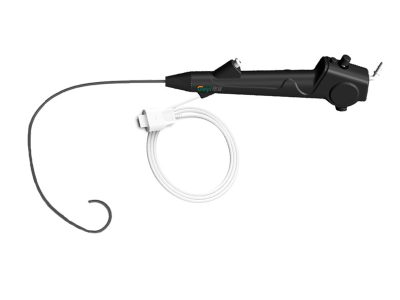
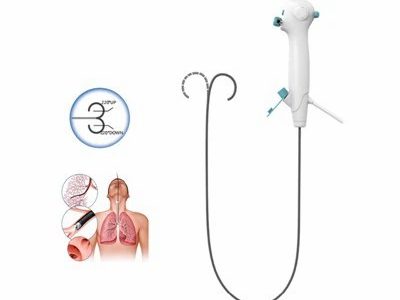
In addition to our calibration service, we offer a wide range of high – quality portable cystoscopes, including Disposable Cystoscope, Flexible Cystoscope, and Disposable Flexible Cystoscope. These products are designed with the latest technology to provide accurate and reliable performance, and they are backed by our excellent after – sales service.
If you are a healthcare provider looking to purchase a portable cystoscope or need calibration services for your existing device, we invite you to contact us. Our sales team is ready to assist you in selecting the most suitable cystoscope for your needs and providing detailed information on our calibration services. Ensuring the proper calibration of your cystoscope is an investment in the quality of patient care, and we are here to support you every step of the way.
 Blog
Blog
 Blog
Blog
 Blog
Blog