2025 Top 10 Ureteroscope Manufacturers in China
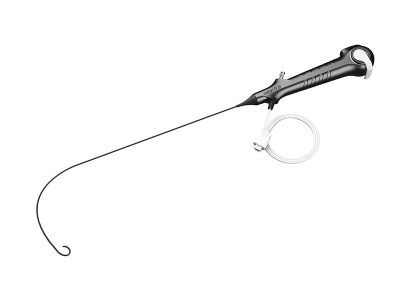
Introduction to Ureteroscope A ureteroscope is a specialized medical device used in urology. It is a thin, flexible…
Read article →

The nephron is the fundamental functional and structural unit of the kidney, playing a pivotal role in the field of urology. As a dedicated urology supplier, understanding the functions of nephrons is crucial for us to offer high – quality products and services that support kidney health and address various urological conditions.
Each kidney contains millions of nephrons, which are microscopic structures. A nephron consists of two main parts: the renal corpuscle and the renal tubule. The renal corpuscle is composed of the glomerulus, a tuft of capillaries, and the Bowman’s capsule that surrounds it. The renal tubule is a long, coiled tube that is divided into several segments, including the proximal convoluted tubule, the loop of Henle, the distal convoluted tubule, and the collecting duct.
The first major function of the nephron is filtration. In the renal corpuscle, blood enters the glomerulus through the afferent arteriole. The high – pressure in the glomerular capillaries forces water, electrolytes, glucose, amino acids, urea, and other small molecules out of the blood and into the Bowman’s capsule. This process is called glomerular filtration, and the fluid that enters the Bowman’s capsule is known as the glomerular filtrate.
The filtration membrane in the glomerulus acts as a sieve, allowing small molecules to pass through while retaining large molecules such as proteins and blood cells. The rate of glomerular filtration, known as the glomerular filtration rate (GFR), is an important indicator of kidney function. A normal GFR is about 90 – 120 mL/min/1.73m² in adults. Our urology products, such as advanced diagnostic tools, can accurately measure GFR, enabling early detection of kidney diseases.
Once the glomerular filtrate enters the renal tubule, reabsorption begins. In the proximal convoluted tubule, approximately 65% of the filtered sodium, chloride, and water are reabsorbed back into the bloodstream. Glucose and amino acids are also completely reabsorbed here. The reabsorption process is highly selective and regulated, ensuring that essential substances are retained in the body while waste products continue to be excreted.
The loop of Henle plays a key role in creating a concentration gradient in the kidney medulla. The descending limb of the loop of Henle is permeable to water but not to solutes, so water moves out of the tubule into the surrounding interstitial fluid. In contrast, the ascending limb is permeable to solutes but not to water, allowing sodium, chloride, and potassium to be reabsorbed. This counter – current mechanism is essential for the production of concentrated urine.
In the distal convoluted tubule and the collecting duct, further reabsorption and secretion occur. The reabsorption of sodium and water in these segments is regulated by hormones such as aldosterone and antidiuretic hormone (ADH). Aldosterone increases the reabsorption of sodium and the secretion of potassium, while ADH increases the permeability of the collecting duct to water, leading to the production of more concentrated urine. Our urology products can assist in the research and treatment of hormonal imbalances that affect the reabsorption process in the nephron.
Secretion is another important function of the nephron. In the renal tubules, especially in the proximal and distal convoluted tubules, certain substances are actively secreted from the peritubular capillaries into the tubular fluid. These substances include hydrogen ions, potassium ions, ammonium ions, and some drugs and toxins.
The secretion of hydrogen ions helps to regulate the body’s acid – base balance. By excreting hydrogen ions into the urine, the nephron can maintain the blood pH within a narrow range. Potassium secretion is also crucial for maintaining the proper balance of electrolytes in the body. Our urology – related products can support the study and treatment of conditions related to abnormal secretion in the nephron, such as acid – base disorders and electrolyte imbalances.
In addition to its filtration, reabsorption, and secretion functions, the nephron also has an endocrine function. The juxtaglomerular apparatus, which is located near the glomerulus, consists of juxtaglomerular cells and macula densa cells. The juxtaglomerular cells secrete renin, an enzyme that plays a central role in the renin – angiotensin – aldosterone system (RAAS).
Renin is released in response to low blood pressure, low sodium levels, or sympathetic nervous system stimulation. Renin acts on angiotensinogen, a plasma protein, to produce angiotensin I, which is then converted to angiotensin II. Angiotensin II is a potent vasoconstrictor that increases blood pressure and stimulates the release of aldosterone from the adrenal cortex. Aldosterone, in turn, promotes sodium reabsorption and potassium secretion in the nephron, leading to an increase in blood volume and blood pressure.
The nephron also produces erythropoietin, a hormone that stimulates the production of red blood cells in the bone marrow. Erythropoietin is secreted in response to low oxygen levels in the blood. By increasing the number of red blood cells, the oxygen – carrying capacity of the blood is enhanced. Our products can be used in the research and treatment of disorders related to the endocrine function of the nephron, such as hypertension and anemia associated with kidney disease.
Understanding the functions of the nephron is of great clinical significance in urology. Many urological diseases, such as glomerulonephritis, renal tubular acidosis, and kidney stones, are directly related to the abnormal function of the nephron.
Glomerulonephritis is an inflammation of the glomeruli, which can lead to a decrease in the filtration function of the nephron. This may result in proteinuria (the presence of protein in the urine), hematuria (the presence of blood in the urine), and a decrease in GFR. Our diagnostic products can accurately detect the early signs of glomerulonephritis, allowing for timely treatment.
Renal tubular acidosis is a disorder characterized by the impaired ability of the renal tubules to secrete hydrogen ions or reabsorb bicarbonate ions. This can lead to metabolic acidosis, electrolyte imbalances, and kidney stones. Our urology products can assist in the diagnosis and treatment of renal tubular acidosis by providing accurate measurement of acid – base and electrolyte levels.
Kidney stones are formed when certain substances in the urine, such as calcium, oxalate, and uric acid, crystallize and accumulate in the renal tubules or the collecting system. The abnormal function of the nephron, such as increased excretion of stone – forming substances or decreased urine volume, can contribute to the formation of kidney stones. Our products can be used in the prevention, diagnosis, and treatment of kidney stones, including the development of new drugs and minimally invasive treatment techniques.
In conclusion, the nephron is a remarkable and complex structure with multiple functions that are essential for maintaining the body’s internal environment. As a urology supplier, we are committed to providing high – quality products and services that support the study, diagnosis, and treatment of urological diseases related to the nephron.
Our product range includes advanced diagnostic tools, innovative treatment devices, and high – quality medications. Whether you are a researcher, a clinician, or a healthcare provider, our products can help you better understand the functions of the nephron and effectively manage urological conditions.
If you are interested in our products and would like to discuss potential procurement opportunities, please feel free to contact us. We look forward to establishing a long – term partnership with you to improve the health and well – being of patients in the field of urology.
 Blog
Blog
 Blog
Blog