What are the differences between 4K and HD laparoscopy systems?
In the realm of modern surgical technology, laparoscopy has revolutionized minimally invasive procedures, offering numerous benefits to patients…
Read article →

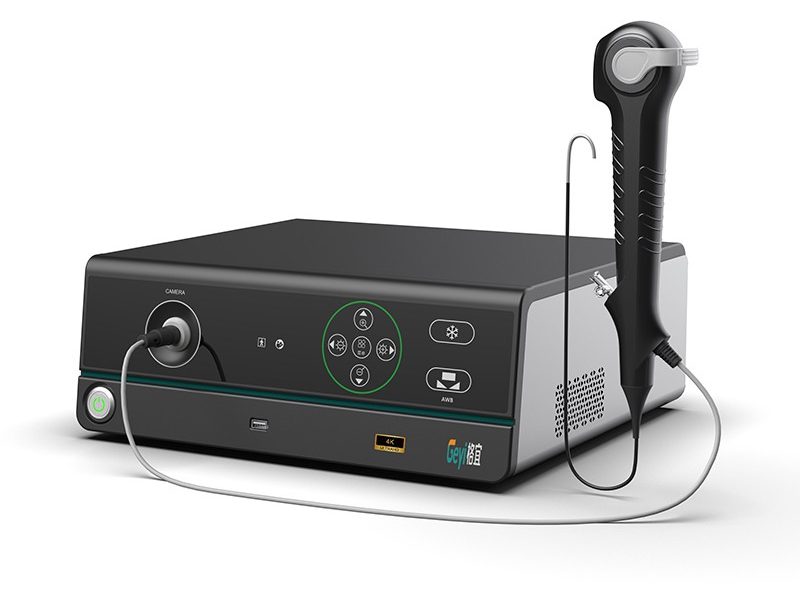
Regulatory compliance is a critical aspect of the medical device industry, and when it comes to a Video Endoscopy System, it is no different. As a supplier of Video Endoscopy Systems, understanding and adhering to regulatory requirements is not only a legal obligation but also a fundamental step in ensuring the safety and effectiveness of our products.


Video Endoscopy Systems are complex medical devices used in various clinical procedures, including diagnostic and surgical applications. These systems typically consist of a camera, light source, monitor, and endoscope, which are designed to provide high – quality visual images of the internal organs and tissues of the human body.
Regulatory compliance refers to the process of ensuring that a medical device meets all the relevant laws, regulations, and standards set by regulatory authorities. For Video Endoscopy Systems, these regulations are in place to protect patients from potential risks associated with the use of the device, such as electrical hazards, image quality issues, and cross – contamination.
One of the primary regulatory bodies in the global medical device market is the U.S. Food and Drug Administration (FDA). The FDA classifies medical devices into three classes based on the level of risk they pose to patients. Video Endoscopy Systems are generally classified as Class II devices, which means they are subject to special controls in addition to the general controls that apply to all medical devices. General controls include requirements for device registration, listing, labeling, and good manufacturing practices (GMP). Special controls may include performance standards, post – market surveillance, and clinical trials.
In the European Union, the Medical Device Regulation (MDR) 2017/745 came into effect in May 2021, replacing the previous Medical Device Directive (MDD). The MDR has more stringent requirements for medical device manufacturers, including Video Endoscopy System suppliers. To place a device on the European market, manufacturers must obtain a CE mark, which indicates that the device complies with all relevant EU directives and regulations. This process involves a comprehensive assessment of the device’s safety and performance, including technical documentation, risk management, and clinical evaluation.
Safety is of utmost importance when it comes to Video Endoscopy Systems. These devices must be designed and manufactured to minimize the risk of electrical shock, fire, and mechanical hazards. For example, the electrical components of the system must be properly insulated and grounded to prevent electrical accidents. The endoscope, which is inserted into the patient’s body, must be made of biocompatible materials to avoid adverse reactions.
The performance of a Video Endoscopy System is crucial for accurate diagnosis and effective treatment. The system must provide clear, high – resolution images with appropriate color reproduction. The camera should have a sufficient frame rate to capture fast – moving objects without blurring. The light source should provide adequate illumination to ensure visibility inside the body cavity.
Proper labeling is essential for ensuring the safe and correct use of Video Endoscopy Systems. The label must include information such as the device’s name, model number, intended use, contraindications, operating instructions, and maintenance requirements. It should also provide clear warnings and precautions to inform users of potential risks.
Manufacturers of Video Endoscopy Systems are required to have a quality management system (QMS) in place. A QMS ensures that the device is consistently designed, developed, manufactured, and distributed in accordance with regulatory requirements. The ISO 13485 standard is widely recognized as the international standard for medical device quality management systems.
As a supplier of Video Endoscopy System, we are committed to meeting all the relevant regulatory requirements. Our team of experts closely monitors changes in regulations in different regions to ensure that our products remain compliant.
We have a robust quality management system that is based on the ISO 13485 standard. This system covers all aspects of our business, from product design and development to manufacturing, distribution, and after – sales service. We conduct regular internal audits and management reviews to ensure the effectiveness of our QMS.
During the product development process, we conduct extensive testing to ensure that our Video Endoscopy Systems meet the safety and performance requirements. Our testing includes electrical safety tests, image quality tests, and mechanical durability tests. We also perform clinical evaluations to demonstrate the safety and effectiveness of our products in real – world settings.
In addition, we work closely with regulatory authorities to obtain the necessary approvals and certifications. For example, we have obtained the CE mark for our products, which allows us to sell them in the European market. We also work with the FDA to ensure that our products meet the requirements for marketing in the United States.
Regulatory compliance not only benefits patients but also our customers, such as hospitals, clinics, and healthcare providers. When they purchase a Video Endoscopy System from us, they can be confident that the device has been thoroughly tested and meets all the necessary safety and performance standards. This reduces the risk of device – related complications and legal liabilities for our customers.
Moreover, regulatory compliance also ensures the long – term availability of our products. As regulations become more stringent, non – compliant products may be removed from the market. By ensuring compliance, we can continue to supply high – quality Video Endoscopy Systems to our customers, which is essential for the continuity of their clinical services.
In addition to our Video Endoscopy System, we also offer other related products, such as 4K Laparoscopy System and Laparoscopic Camera System. These products also adhere to strict regulatory requirements to ensure their safety and effectiveness.
The 4K Laparoscopy System provides ultra – high – definition images, which can enhance the surgeon’s visualization during laparoscopic procedures. The Laparoscopic Camera System is designed to be compatible with various laparoscopic instruments and offers excellent image quality and performance.
Regulatory compliance is an integral part of our business as a Video Endoscopy System supplier. By adhering to the strict regulatory requirements set by authorities such as the FDA and the EU MDR, we ensure the safety and effectiveness of our products. Our commitment to regulatory compliance not only protects patients but also provides peace of mind to our customers.
If you are interested in our Video Endoscopy Systems or other related products, we encourage you to contact us for more information and to discuss your procurement needs. Our team of experts is ready to assist you in finding the right solution for your clinical requirements.
 Blog
Blog