How does an Endoscope System help in the detection of early – stage diseases?
Early detection of diseases is crucial for effective treatment and improved patient outcomes. In the medical field, endoscope…
Read article →

Hey there! As a supplier of Video Endoscopy Systems, I’m super excited to dive into the nitty – gritty of how these amazing devices work. Video endoscopy systems have revolutionized the medical field and many other industries, offering a non – invasive way to peek inside the human body or hard – to – reach areas of machinery.
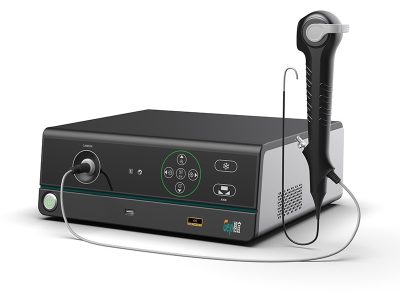
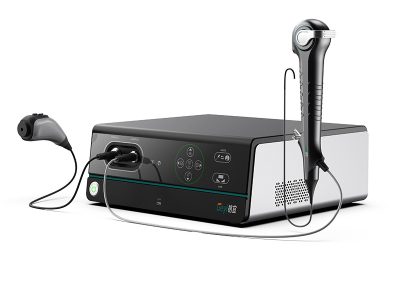
Let’s start with the basics. A Video Endoscopy System is made up of several key components, and each plays a crucial role in making the whole thing work like a charm.
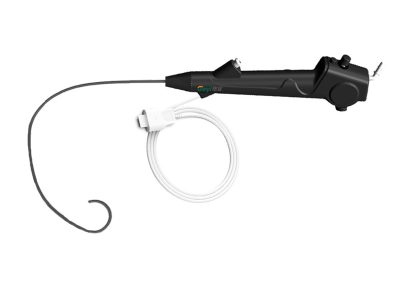
The endoscope probe is the part that goes into the body or the object you’re inspecting. It’s a long, thin tube that can be flexible or rigid, depending on the application. The flexibility of a probe is super important when it comes to navigating through the twists and turns of the human body. For example, when doing a colonoscopy, a flexible endoscope can easily follow the natural curves of the colon.
Inside the probe, there are multiple channels. One of the most important ones is the illumination channel. This channel is responsible for shining light into the area being examined. Without proper illumination, it would be like trying to take a picture in a pitch – black room. Usually, the light source is an LED or a xenon lamp located outside the body, and the light is transmitted through fiber optics inside the probe.
Another key channel is the imaging channel. This is where the magic of capturing images happens. There are two main types of imaging technologies used in endoscopes: fiber optic and digital. Fiber optic endoscopes use a bundle of tiny glass fibers to transmit an image from the tip of the probe to the eyepiece or a camera. Each fiber in the bundle acts like a tiny pixel, and together they form an image. However, fiber optic endoscopes have some limitations, like lower resolution and a smaller field of view.
On the other hand, digital endoscopes use a small camera chip, usually a CCD (Charge – Coupled Device) or a CMOS (Complementary Metal – Oxide – Semiconductor) sensor, at the tip of the probe. These sensors convert light into electrical signals, which are then processed to create a high – quality digital image. Digital endoscopes offer better resolution, a wider field of view, and the ability to easily store and share images.
Once the image is captured by the sensor at the tip of the probe, it’s sent to the camera and image processing unit. This unit is like the brain of the Video Endoscopy System. It takes the raw electrical signals from the sensor and processes them to enhance the image quality.
The image processing unit can adjust things like brightness, contrast, color balance, and sharpness. It also has the ability to perform more advanced functions, such as image stitching. Image stitching is useful when you want to get a wider view of an area. For example, if you’re examining a large tumor, the endoscope might need to take multiple images from different angles, and the image processing unit can stitch these images together to create a single, seamless image.
After the image is processed, it’s displayed on a monitor. The monitor can be a dedicated medical monitor or a regular computer monitor, depending on the system. The high – quality images on the monitor allow doctors or technicians to clearly see the details of the area being examined, which is crucial for making accurate diagnoses or assessments.
The control console is where the operator interacts with the Video Endoscopy System. It has a variety of buttons, knobs, and touchscreens that allow the operator to control different functions of the system.
For example, the operator can use the console to control the movement of the endoscope probe. In a flexible endoscope, there are usually controls to bend the tip of the probe in different directions, allowing it to reach different parts of the body. The console also allows the operator to adjust the settings of the light source, such as the brightness and color temperature.
In addition, the control console often has features for storing and managing images and videos. The operator can save important images for future reference, print them out, or send them to other medical professionals for consultation.


Video Endoscopy Systems are not just used in the medical field. They have a wide range of applications in other industries as well.
In the automotive industry, endoscopes are used to inspect the internal components of engines, transmissions, and other hard – to – reach parts. Mechanics can use an endoscope to check for signs of wear, damage, or blockages without having to disassemble the entire engine.
In the aerospace industry, endoscopes are used to inspect the inside of aircraft engines, fuel lines, and other critical components. This helps to ensure the safety and reliability of the aircraft by detecting any potential problems early on.
In the manufacturing industry, endoscopes are used to inspect the quality of products during the production process. For example, they can be used to check the inside of pipes, welds, and castings to make sure they meet the required standards.
As a supplier, we offer a wide range of Video Endoscopy Systems to meet the needs of different industries. Our systems are known for their high – quality imaging, reliability, and user – friendly design.
We also have some great products like the 4K Laparoscopy System, which offers ultra – high – definition imaging for laparoscopic surgeries. The Laparoscopic Camera System is another popular choice, providing clear and detailed images for minimally invasive surgical procedures. And our Endoscopy Camera System is suitable for a variety of endoscopic examinations, both in the medical and non – medical fields.
If you’re in the market for a Video Endoscopy System, whether it’s for a medical clinic, an automotive repair shop, or an aerospace manufacturing plant, we’d love to have a chat with you. We can help you choose the right system for your specific needs and provide you with all the support you need.
So, if you’re interested in learning more about our products or want to discuss a potential purchase, don’t hesitate to reach out. We’re here to help you find the perfect Video Endoscopy System for your requirements.
 Blog
Blog
 Blog
Blog
 Blog
Blog