Can a cystoscope be used to perform biopsies of the ureters?
Hey there! As a cystoscope supplier, I often get asked a bunch of questions about these nifty medical…
Read article →

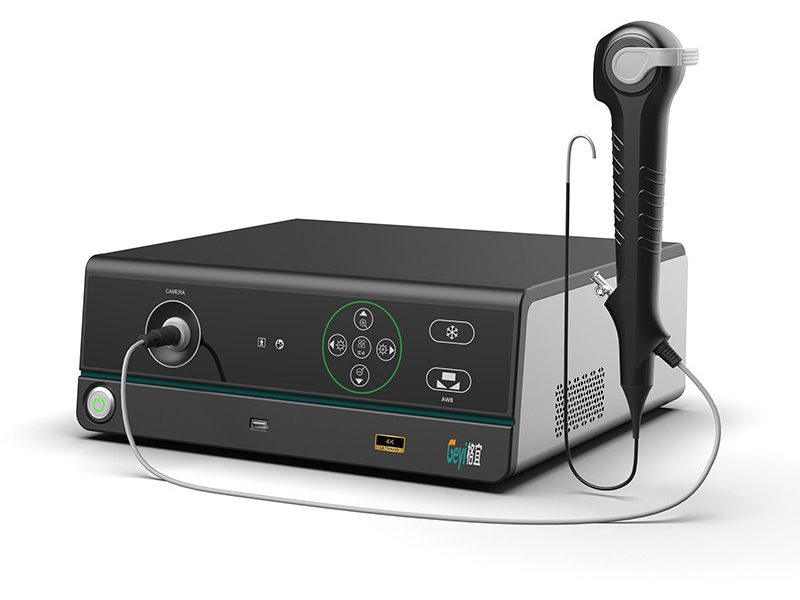
Hey there! As a supplier of Endoscopy Camera Systems, I often get asked about the signal-to-noise ratio (SNR) of these systems. So, I thought I’d take a moment to break it down for you in a way that’s easy to understand.
First off, what exactly is the signal-to-noise ratio? Well, in simple terms, it’s a measure of the quality of the image produced by the endoscopy camera system. The "signal" refers to the useful information in the image, like the details of the internal organs or tissues you’re trying to view. The "noise," on the other hand, is the unwanted interference or random variations that can make the image look blurry or grainy.
A high SNR means that the signal is strong compared to the noise, resulting in a clear, sharp image. This is crucial in medical applications because doctors need to be able to see fine details to make accurate diagnoses. For example, when examining the lining of the digestive tract, a clear image can help detect early signs of cancer or other abnormalities.
Let’s dive a bit deeper into how SNR affects the performance of an endoscopy camera system. When the SNR is low, the noise can obscure important details in the image. This can make it difficult for doctors to distinguish between healthy and diseased tissue, leading to potential misdiagnoses. In some cases, low SNR can even make it impossible to obtain a usable image at all.
On the other hand, a high SNR allows for better image quality, which can improve the accuracy of diagnoses and the effectiveness of treatments. With a clear image, doctors can more easily identify the location and extent of a problem, and plan the most appropriate course of action.
Now, you might be wondering what factors can affect the SNR of an endoscopy camera system. There are several, including the quality of the camera sensor, the lighting conditions, and the image processing algorithms used.
The camera sensor is the heart of the endoscopy camera system. A high-quality sensor can capture more light and produce a stronger signal, resulting in a higher SNR. Some of the latest sensors on the market use advanced technologies, such as back-illuminated CMOS sensors, which can significantly improve the SNR.
Lighting is also crucial for a good SNR. Insufficient lighting can lead to a low signal, while too much light can cause overexposure and increase the noise. That’s why many endoscopy camera systems are equipped with adjustable lighting sources, such as LED lights, to ensure optimal lighting conditions.
Image processing algorithms play a vital role in enhancing the SNR. These algorithms can filter out the noise and enhance the signal, improving the overall image quality. Some advanced algorithms can even adapt to different lighting conditions and types of tissue, providing consistent image quality in a variety of situations.


At our company, we’re committed to providing endoscopy camera systems with the highest possible SNR. We use the latest camera sensor technologies and advanced image processing algorithms to ensure that our systems deliver clear, sharp images. Our Laparoscopic Camera System and Endoscope Camera System are designed to meet the demanding needs of medical professionals, providing them with the tools they need to make accurate diagnoses and perform successful treatments.
In addition to our high-quality camera systems, we also offer a range of Endoscope Image Processors that can further enhance the SNR and image quality. These processors use advanced algorithms to optimize the image in real-time, providing doctors with the best possible view of the internal organs.
If you’re in the market for an endoscopy camera system, it’s important to consider the SNR as one of the key factors. A high SNR can make a significant difference in the quality of the images and the accuracy of the diagnoses. Don’t settle for a system with a low SNR that could compromise the effectiveness of your medical procedures.
If you have any questions or would like to learn more about our endoscopy camera systems and how they can benefit your practice, please don’t hesitate to contact us. We’re here to help you find the right solution for your needs and provide you with the support you need to get the most out of your equipment.
In conclusion, the signal-to-noise ratio is a critical factor in the performance of an endoscopy camera system. A high SNR ensures clear, sharp images that can improve the accuracy of diagnoses and the effectiveness of treatments. At our company, we’re dedicated to providing the highest quality endoscopy camera systems and image processors, with a focus on maximizing the SNR. If you’re interested in learning more about our products or would like to discuss your specific requirements, please reach out to us. We look forward to working with you to improve the quality of medical care.
References
 Blog
Blog