10 Leading ENT Suppliers in the world
Introduction to ENT ENT stands for Ear, Nose, and Throat, which is a specialized branch of medicine also…
Read article →

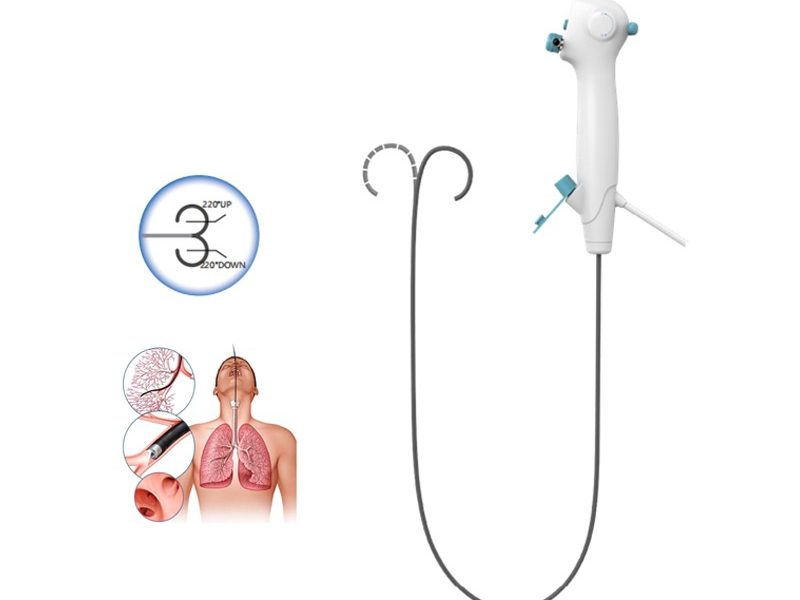
Hey there! As a supplier of Single Use Bronchoscopes, I often get asked about the contraindications of using these nifty devices. So, I thought I’d sit down and write a blog post to share some insights on this topic.
First off, let’s quickly understand what a single – use bronchoscope is. It’s a medical instrument that’s designed to be used just once and then disposed of. This is a game – changer in the medical field as it helps reduce the risk of cross – contamination between patients. You can check out our Disposable Fiberoptic Bronchoscope and Disposable Bronchoscope on our website to get a better idea of what we offer.
Now, onto the contraindications. Just like any medical device, single – use bronchoscopes aren’t suitable for every situation.
Patients with severe heart problems, like unstable angina or recent myocardial infarction, are at a higher risk during bronchoscopy. The procedure can put additional stress on the heart. When the bronchoscope is inserted into the airways, it can cause a temporary increase in the patient’s oxygen demand and blood pressure. In patients with already compromised cardiac function, this extra stress can lead to a cardiac event, such as arrhythmias or even heart failure. So, before using a single – use bronchoscope on a patient with a known cardiac condition, a cardiologist’s opinion should be sought.
For patients in severe respiratory failure, especially those who are dependent on high – flow oxygen or mechanical ventilation, using a bronchoscope can be tricky. Inserting the bronchoscope into the airways can disrupt the patient’s ventilation and oxygenation. It may cause a significant drop in oxygen levels and increase the work of breathing. In some cases, it can even lead to respiratory arrest. Therefore, careful assessment and planning are required, and in many situations, the procedure may need to be postponed until the patient’s respiratory status improves.
Patients with coagulation disorders, where the blood doesn’t clot properly, are at risk of excessive bleeding during bronchoscopy. The bronchoscope may cause minor trauma to the airway mucosa, and in patients with coagulopathy, this can result in significant bleeding. This can be life – threatening, especially if the bleeding is not controlled promptly. Before proceeding with bronchoscopy, the patient’s coagulation status should be evaluated, and appropriate measures, such as correcting the coagulation abnormalities, may need to be taken.
If a patient is uncooperative, either due to mental illness, intoxication, or other reasons, it can be extremely difficult and dangerous to perform a bronchoscopy. An uncooperative patient may move suddenly during the procedure, which can cause injury to the airway, such as perforation. It’s important to ensure that the patient understands the procedure and is willing to cooperate. In some cases, sedation or even general anesthesia may be required, but this also adds its own set of risks.
If there is an obstruction in the upper airway, such as a large tumor or a foreign body, inserting a bronchoscope can be challenging or even impossible. The obstruction may prevent the bronchoscope from passing through the upper airway and reaching the lower airways. Additionally, attempting to force the bronchoscope through an obstructed airway can cause further damage to the airway, such as laryngeal or tracheal trauma. In such cases, alternative diagnostic or treatment methods may need to be considered.
Patients with tracheal stenosis have a narrowed trachea. Inserting a bronchoscope through a stenotic trachea can be difficult and may cause further narrowing or even complete obstruction of the airway. It can also cause trauma to the stenotic area, leading to bleeding or scarring. Before attempting bronchoscopy in a patient with tracheal stenosis, imaging studies, such as a CT scan, should be done to assess the severity and location of the stenosis.
Using a single – use bronchoscope requires proper equipment and trained personnel. If the necessary accessories, such as a suction device or a light source, are not available, the procedure may not be performed safely. Also, if the medical staff is not experienced in using the bronchoscope, there is a higher risk of complications. For example, improper insertion of the bronchoscope can cause injury to the airway, and incorrect handling of the equipment can lead to malfunction. So, it’s essential to ensure that the hospital or clinic has the right equipment and that the staff is well – trained.
Proper patient preparation is crucial for a successful and safe bronchoscopy. If the patient has not been properly educated about the procedure, they may not cooperate. Also, if the patient has not fasted for the recommended period before the procedure, there is a risk of aspiration. Aspiration of stomach contents into the lungs can cause pneumonia and other serious complications. Therefore, patients should be given clear instructions about fasting and other pre – procedural preparations.
Even though there are contraindications, single – use bronchoscopes have many advantages. They eliminate the need for complex and time – consuming reprocessing, which reduces the risk of cross – contamination. You can learn more about our Disposable Bronchoscope and see how it can be a great option for your medical facility.


They are also convenient and ready to use right out of the package. This can save time, especially in emergency situations. And since they are designed for single – use, there is no wear and tear from repeated use, which means consistent performance.
In conclusion, while single – use bronchoscopes are a great tool in the medical field, they have their limitations. It’s important for healthcare providers to be aware of the contraindications and to carefully assess each patient before using a bronchoscope. By doing so, we can minimize the risks and ensure the safety and well – being of our patients.
If you’re a medical professional or a representative from a medical facility and are interested in learning more about our single – use bronchoscopes or discussing how they can fit into your practice, we’d love to hear from you. Contact us to start a conversation about procurement and see how we can meet your needs.
So, that’s all for today’s blog post. I hope it has been informative and helpful. If you have any questions or comments, feel free to leave them below.
 Blog
Blog
Blog
Blog
 Blog
Blog