How to clean a Video Endoscopy System?
Cleaning a video endoscopy system is a critical process that ensures the longevity of the equipment, maintains high…
Read article →

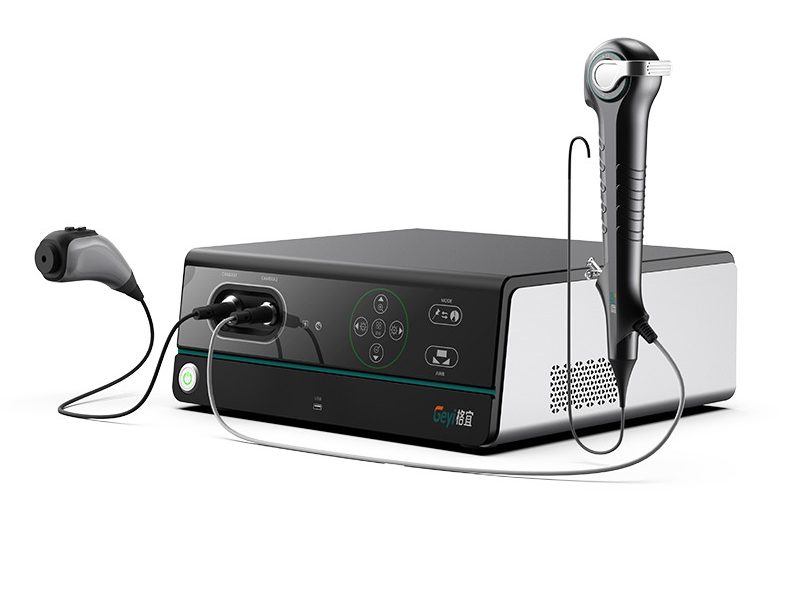
The field of medical technology has witnessed remarkable advancements in recent years, particularly in the area of video endoscopy systems. As a leading supplier of these systems, we understand the critical importance of ensuring that our products can adapt to the diverse anatomical structures of patients. This blog post will delve into the various ways in which our video endoscopy systems are designed to accommodate different patient anatomies, highlighting the innovative features and technologies that make this possible.
Before we explore how our video endoscopy systems adapt to different patient anatomies, it is essential to recognize the vast range of anatomical variations that exist among individuals. Factors such as age, gender, body size, and underlying medical conditions can all influence the shape, size, and orientation of internal organs and structures. For example, the digestive tract can vary significantly in length and diameter from one patient to another, while the respiratory system may present unique challenges due to differences in airway anatomy.
In addition to these normal anatomical variations, patients may also have anatomical abnormalities or pathologies that further complicate the use of endoscopy. These can include strictures, tumors, or congenital malformations that require specialized imaging and maneuverability to navigate safely and effectively. As such, our video endoscopy systems are designed with flexibility and adaptability in mind, allowing healthcare providers to customize the imaging and treatment approach based on the specific needs of each patient.
One of the primary ways in which our video endoscopy systems adapt to different patient anatomies is through the use of adjustable insertion tubes. These tubes are available in a variety of lengths and diameters, allowing healthcare providers to select the most appropriate size for each patient. In addition, many of our insertion tubes are designed with flexible tips that can be bent or angled to navigate around curves and obstacles in the body. This feature is particularly useful when accessing hard-to-reach areas, such as the upper gastrointestinal tract or the lower respiratory system.


Another critical feature of our video endoscopy systems is high-resolution imaging. Our systems are equipped with advanced cameras and image processors that can capture detailed images and videos of internal organs and structures. This allows healthcare providers to visualize the anatomy clearly and identify any abnormalities or pathologies that may be present. In addition, our image processors are designed to enhance the image quality, providing sharp, clear images even in low-light conditions.
The Endoscope Image Processor used in our systems plays a crucial role in optimizing the imaging performance. It can adjust the brightness, contrast, and color saturation of the images, as well as apply advanced image processing algorithms to improve the clarity and detail. This ensures that healthcare providers have the best possible view of the patient’s anatomy, regardless of the lighting conditions or the complexity of the procedure.
To further enhance the adaptability of our video endoscopy systems, we offer multiple viewing modes. These modes allow healthcare providers to customize the imaging display based on the specific needs of each patient and procedure. For example, some of our systems offer a wide-angle view mode, which provides a broader field of view for a more comprehensive examination of the area. Other modes, such as zoom and magnification, allow for a more detailed inspection of specific structures or lesions.
In addition, our systems may also include special viewing modes for specific applications, such as narrow-band imaging (NBI) or fluorescence imaging. NBI is a technique that uses narrow-band light to enhance the visualization of blood vessels and surface structures, making it easier to detect early-stage cancers and other abnormalities. Fluorescence imaging, on the other hand, uses fluorescent dyes to highlight specific tissues or cells, providing valuable information for diagnosis and treatment planning.
Our video endoscopy systems are designed to be compatible with a wide range of accessories, which can further enhance their adaptability to different patient anatomies. These accessories include biopsy forceps, scissors, and other instruments that can be used for tissue sampling or treatment during the endoscopy procedure. In addition, we offer specialized accessories for specific applications, such as endoscopic ultrasound (EUS) probes, which can provide detailed information about the depth and extent of tumors and other lesions.
The Endoscope Camera System and Endoscopy Camera System in our portfolio are designed to work seamlessly with these accessories, ensuring that healthcare providers have the tools they need to perform a wide range of endoscopic procedures safely and effectively.
The ability of our video endoscopy systems to adapt to different patient anatomies has numerous clinical applications and benefits. In the field of gastroenterology, for example, our systems can be used to diagnose and treat a variety of conditions, including ulcers, polyps, and cancers of the esophagus, stomach, and intestines. The adjustable insertion tubes and high-resolution imaging capabilities allow healthcare providers to navigate the complex anatomy of the digestive tract and obtain clear images of the affected areas, enabling accurate diagnosis and targeted treatment.
In the respiratory system, our video endoscopy systems can be used to evaluate and treat conditions such as chronic obstructive pulmonary disease (COPD), asthma, and lung cancer. The flexible tips of the insertion tubes and the multiple viewing modes make it possible to access the airways safely and visualize the structures in detail, helping healthcare providers to identify and manage respiratory diseases more effectively.
In addition to these clinical applications, the adaptability of our video endoscopy systems also offers several benefits for patients. By providing a more customized and precise approach to diagnosis and treatment, our systems can reduce the need for invasive procedures and minimize the risk of complications. This can lead to shorter hospital stays, faster recovery times, and improved patient outcomes.
As a supplier of video endoscopy systems, we are committed to providing healthcare providers with the most advanced and adaptable technology available. Our systems are designed to meet the diverse needs of patients with different anatomies, offering adjustable insertion tubes, high-resolution imaging, multiple viewing modes, and compatibility with a wide range of accessories. By leveraging these features and technologies, healthcare providers can perform endoscopic procedures more safely and effectively, leading to better patient outcomes.
If you are interested in learning more about our video endoscopy systems or would like to discuss your specific requirements, we invite you to contact us for a procurement consultation. Our team of experts is ready to assist you in finding the right solution for your healthcare facility.
 Blog
Blog
 Blog
Blog
 Blog
Blog