How does an endoscope monitor assist in minimally invasive surgeries?
Hey there, medical enthusiasts and surgical pros! I’m coming at you as a proud supplier of Endoscope Monitors,…
Read article →

As a supplier of portable hysteroscopes, I often encounter inquiries from medical professionals and institutions regarding the training requirements for using these advanced medical devices. Portable hysteroscopes have revolutionized gynecological examinations and procedures, offering greater flexibility, convenience, and real – time diagnostic capabilities. However, the question of whether special training is necessary to operate them effectively is a crucial one.
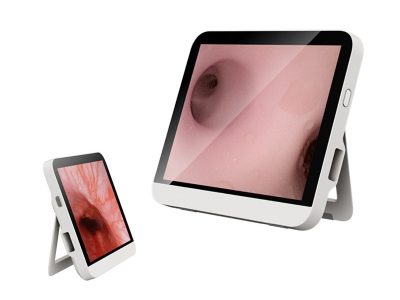
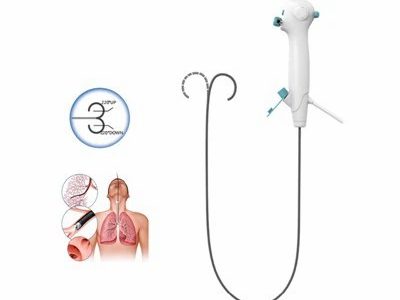
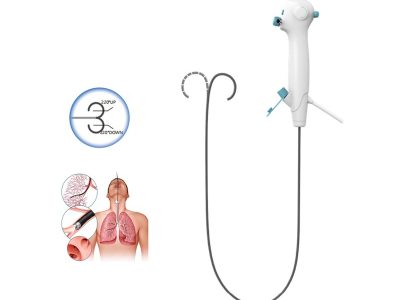
Portable hysteroscopes are sophisticated medical instruments designed for direct visualization of the uterine cavity. They are typically equipped with high – resolution cameras, light sources, and may come in different types, such as Flexible Hysteroscope and Disposable Hysteroscope. The flexible nature of some hysteroscopes allows for easier navigation through the uterine cavity, while disposable ones offer the advantage of reduced risk of cross – contamination.

Before using a portable hysteroscope, operators must have a solid foundation in gynecological anatomy. Understanding the structure of the female reproductive system, including the cervix, uterus, fallopian tubes, and ovaries, is essential. This knowledge helps in proper insertion of the hysteroscope and accurate interpretation of the images obtained. For example, knowing the normal appearance of the endometrium at different stages of the menstrual cycle is crucial for detecting any abnormalities.
Medical professionals also need to be familiar with the principles of sterilization and infection control. Since the hysteroscope is inserted into the body, strict sterilization procedures must be followed to prevent infections. This includes understanding the appropriate cleaning agents, sterilization methods (such as autoclaving or chemical disinfection), and storage conditions for the hysteroscope.
Operating a portable hysteroscope requires specific technical skills. Firstly, the operator must be able to correctly assemble and disassemble the device. This involves attaching the camera, light source, and any additional accessories. Improper assembly can lead to poor image quality or malfunction of the device.
Insertion of the hysteroscope is a critical skill. The operator needs to be gentle and precise to avoid causing trauma to the patient. They must be able to navigate the hysteroscope through the cervix and into the uterine cavity, which may require an understanding of the correct angle and pressure to apply. Training should also cover how to deal with difficult insertions, such as in cases of a narrow cervix or a tilted uterus.
Once the hysteroscope is in place, the operator must be able to adjust the focus, zoom, and lighting to obtain clear and detailed images. This requires practice and an understanding of the device’s controls. Additionally, they should be able to capture and store images or videos for further analysis and documentation.
Interpreting the images obtained from a portable hysteroscope is perhaps the most challenging aspect. Medical professionals need to be trained to distinguish between normal and abnormal findings. For example, they should be able to identify polyps, fibroids, adhesions, and other uterine pathologies. Training programs often include the study of a large number of images, both normal and abnormal, to improve the operator’s diagnostic skills.
They also need to be aware of the limitations of hysteroscopy. Not all conditions can be accurately diagnosed using a hysteroscope alone, and in some cases, additional tests such as ultrasound or biopsy may be required. Therefore, the operator should know when to refer the patient for further evaluation.
Many manufacturers, including our company, offer training programs for the use of portable hysteroscopes. These programs may be conducted in – person at our training facilities or remotely through online courses. In – person training allows for hands – on practice with the devices and direct interaction with experienced trainers. Online courses, on the other hand, offer the flexibility of learning at one’s own pace and can be accessed from anywhere in the world.
Our training programs typically cover all aspects of hysteroscope use, from basic knowledge and technical skills to image interpretation. They also include case studies and practical demonstrations to help participants apply their knowledge in real – world scenarios. After completing the training, participants are often given a certificate to indicate their proficiency in using the device.

The field of gynecology and hysteroscopy is constantly evolving. New techniques, devices, and research findings are emerging regularly. Therefore, continuing education is essential for medical professionals who use portable hysteroscopes. This can involve attending conferences, workshops, and webinars to stay updated on the latest developments.
Continuing education also helps in maintaining and improving the operator’s skills over time. It allows them to learn from other experts in the field and share their own experiences. Our company encourages our customers to participate in continuing education activities and may even provide resources or support for such initiatives.

Proper training in the use of portable hysteroscopes is of utmost importance. It ensures patient safety by reducing the risk of complications during the procedure. A well – trained operator is less likely to cause trauma to the patient and can perform the examination more efficiently.
Training also improves the accuracy of diagnosis. By being able to correctly interpret the images obtained from the hysteroscope, medical professionals can detect uterine pathologies at an early stage, leading to better treatment outcomes for the patients.

If you are interested in purchasing our Flexible Hysteroscope or other portable hysteroscopes, or if you have any questions about our training programs, we encourage you to contact us. Our team of experts is ready to provide you with detailed information and support to help you make the right decision for your medical practice.
 Blog
Blog
 Blog
Blog
 Blog
Blog