How to protect an endoscope monitor from damage?
As a supplier of endoscope monitors, I’ve seen firsthand how these devices are crucial in the medical field.…
Read article →

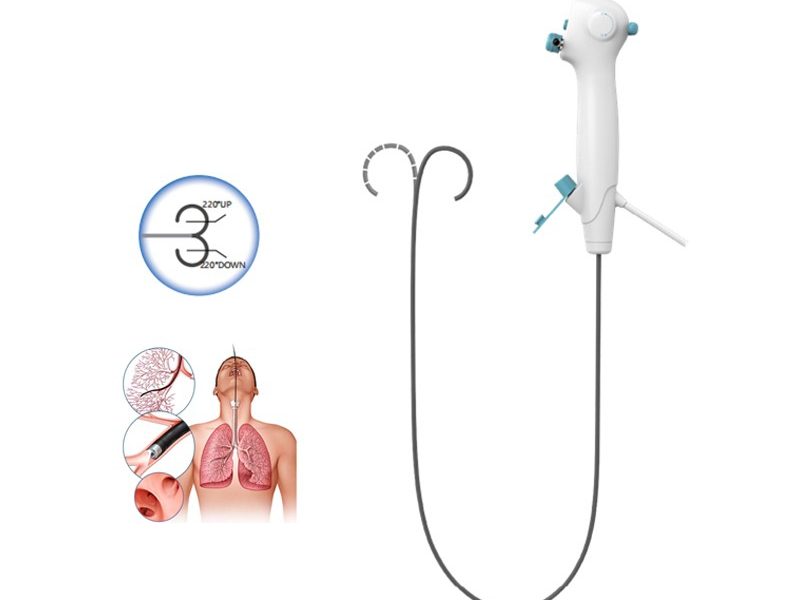
When dealing with chronic obstructive pulmonary disease (COPD) patients, the utilization of a bronchoscope is a critical diagnostic and therapeutic procedure. As a reputable bronchoscope supplier, we understand the importance of ensuring that medical professionals are well – informed about the precautions to take when using our products in this specific patient population.
COPD is a progressive lung disease characterized by airflow limitation that is not fully reversible. The disease is often associated with chronic inflammation of the airways, destruction of lung parenchyma, and increased mucus production. These factors can significantly affect the safety and efficacy of bronchoscopy.
One of the primary concerns is the patient’s reduced lung function. COPD patients typically have a decreased forced expiratory volume in one second (FEV1) and a reduced diffusion capacity of the lung for carbon monoxide (DLCO). This impaired lung function can lead to hypoxemia during the bronchoscopy procedure, as the insertion of the bronchoscope can further obstruct the already compromised airways.
Before performing a bronchoscopy on a COPD patient, a comprehensive patient assessment is essential. This includes a detailed medical history, physical examination, and pulmonary function tests. The medical history should focus on the patient’s COPD severity, frequency of exacerbations, current medications (especially bronchodilators and corticosteroids), and any history of previous complications during bronchoscopy.
Physical examination should assess the patient’s respiratory status, including the presence of wheezing, crackles, or use of accessory muscles of respiration. Pulmonary function tests, such as spirometry and DLCO, can provide valuable information about the patient’s baseline lung function and help predict the risk of complications during the procedure.
COPD patients are at a high risk of developing hypoxemia during bronchoscopy. Therefore, pre – oxygenation is a crucial step. The patient should be administered supplemental oxygen via a nasal cannula or face mask for at least 5 – 10 minutes before the procedure. This helps to increase the patient’s oxygen reserve and reduces the likelihood of significant desaturation during the insertion of the bronchoscope.


Inhaled bronchodilators, such as short – acting beta – agonists (e.g., albuterol) and anticholinergics (e.g., ipratropium bromide), should be administered before the procedure. These medications can help to relax the airway smooth muscles, reduce airway resistance, and improve airflow. This not only makes it easier to insert the bronchoscope but also reduces the risk of bronchospasm during the procedure.
Continuous monitoring of the patient’s vital signs, including heart rate, blood pressure, oxygen saturation, and respiratory rate, is mandatory during the bronchoscopy. Pulse oximetry is a simple and effective way to monitor oxygen saturation, and it should be used throughout the procedure. In some cases, arterial blood gas analysis may be required to assess the patient’s acid – base status and oxygenation more accurately.
Maintaining a patent airway is of utmost importance. The operator should be skilled in handling the bronchoscope to minimize airway obstruction. If the patient experiences significant airway resistance or bronchospasm during the insertion of the bronchoscope, additional doses of bronchodilators can be administered via the bronchoscope’s working channel.
Sedation is often used during bronchoscopy to reduce patient discomfort and anxiety. However, in COPD patients, sedation should be used with caution. Benzodiazepines and opioids can suppress the respiratory drive and increase the risk of hypoventilation and hypoxemia. If sedation is required, a low – dose regimen should be used, and the patient should be closely monitored.
After the bronchoscopy, the patient should be closely observed in a recovery area for at least 1 – 2 hours. This is to ensure that there are no immediate complications, such as bleeding, pneumothorax, or severe hypoxemia. The patient’s vital signs should continue to be monitored, and any signs of respiratory distress should be promptly addressed.
Patients may require continued use of bronchodilators and oxygen therapy after the procedure. The dosage and duration of these therapies should be determined based on the patient’s post – procedure respiratory status and oxygen saturation levels.
As a leading bronchoscope supplier, we offer a range of high – quality bronchoscopes suitable for use in COPD patients. Our Portable Bronchoscope is designed for easy transport and use in various clinical settings. It is lightweight and provides excellent image quality, making it ideal for bedside bronchoscopy in COPD patients.
For those looking for a more cost – effective and hygienic option, our Disposable Bronchoscope is an excellent choice. Disposable bronchoscopes eliminate the need for costly reprocessing and reduce the risk of cross – contamination, which is particularly important in COPD patients who are more susceptible to infections.
In addition, our Disposable Fiberoptic Bronchoscope combines the advantages of fiberoptic technology with disposability. It offers clear visualization of the airways and is suitable for both diagnostic and therapeutic bronchoscopy procedures in COPD patients.
Using a bronchoscope in COPD patients requires careful consideration of the patient’s unique physiological characteristics and the potential risks associated with the procedure. By taking appropriate pre – procedure, intra – procedure, and post – procedure precautions, medical professionals can minimize the risk of complications and ensure the safety and effectiveness of bronchoscopy.
If you are interested in learning more about our bronchoscopes or would like to discuss your specific requirements, please feel free to contact us for procurement and further discussions. We are committed to providing the highest quality bronchoscopes and excellent customer service to meet the needs of your medical practice.
 Blog
Blog