What is the user – friendliness of an Endoscope System?
Hey there! As a supplier of Endoscope Systems, I’ve been in the thick of the medical equipment industry…
Read article →

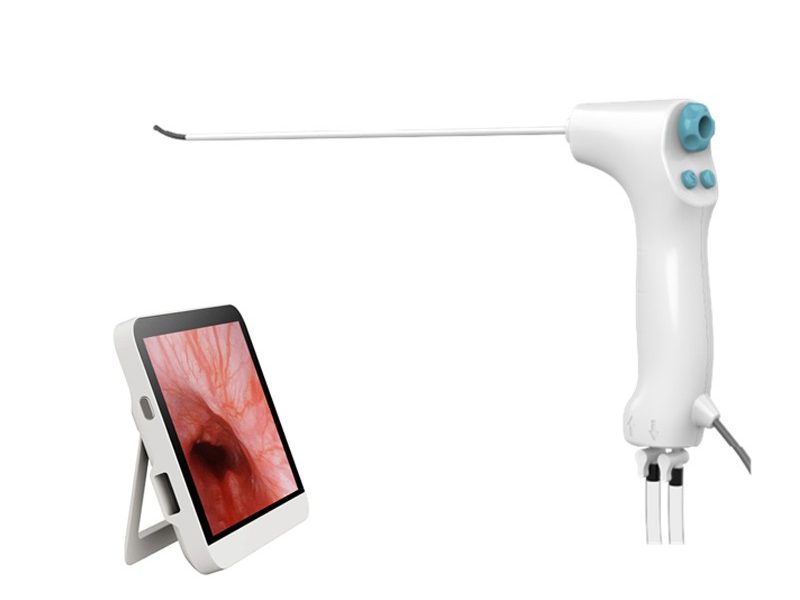
As a supplier of Flexible Hysteroscopes, I often encounter various inquiries from medical professionals regarding the applications and limitations of our products. One question that frequently arises is whether a flexible hysteroscope can be used in women who have had a hysterectomy. In this blog post, I aim to delve into this topic, providing a comprehensive analysis based on scientific knowledge and practical experience.
A hysterectomy is a surgical procedure that involves the removal of the uterus. This operation can be performed for various reasons, including uterine fibroids, endometriosis, uterine prolapse, and certain types of cancer. Depending on the extent of the surgery, a hysterectomy can be total (removal of the entire uterus and cervix) or partial (removal of only the uterus).
On the other hand, a flexible hysteroscope is a thin, flexible tube equipped with a light source and a camera at the tip. It is used to visualize the inside of the uterus and diagnose various gynecological conditions, such as abnormal uterine bleeding, polyps, and fibroids. The flexibility of the hysteroscope allows it to navigate through the uterine cavity with minimal discomfort to the patient.
In general, the primary function of a hysteroscope is to examine the uterine cavity. Since a hysterectomy involves the removal of the uterus, the need for a hysteroscopic examination in the traditional sense no longer exists. However, there are certain situations where a flexible hysteroscope may still be useful in women who have had a hysterectomy.
After a hysterectomy, the top of the vagina is sutured closed, creating a vaginal vault. Complications such as vaginal vault prolapse, vaginal cuff dehiscence (separation of the sutures), and vaginal vault granulation tissue can occur at the vaginal vault. A flexible hysteroscope can be used to visualize the vaginal vault and diagnose these complications. The flexible nature of the hysteroscope allows it to be easily maneuvered within the vaginal canal to provide a clear view of the vaginal vault.


In some cases, a hysterectomy can be associated with urinary tract complications, such as urethral diverticula (pouches in the urethra) and bladder fistulas (abnormal connections between the bladder and other organs). A flexible hysteroscope can be used to examine the urethra and bladder, providing a direct visualization of these structures. This can be particularly useful in cases where other imaging modalities, such as ultrasound or cystoscopy, may not provide a clear diagnosis.
In rare instances, a small amount of residual uterine tissue may be left behind after a hysterectomy. This residual tissue can cause symptoms such as pelvic pain and abnormal vaginal bleeding. A flexible hysteroscope can be used to identify and treat these residual gynecological conditions. For example, if a polyp or fibroid is found in the residual uterine tissue, it can be removed using a hysteroscopic resection technique.
There are several advantages of using a flexible hysteroscope in women who have had a hysterectomy:
Compared to traditional surgical procedures, hysteroscopy is a minimally invasive technique. It does not require a large incision, which means less pain, shorter hospital stays, and faster recovery times for the patient.
A flexible hysteroscope provides real – time visualization of the internal structures, allowing the physician to make an accurate diagnosis and perform appropriate treatment procedures immediately.
The use of a flexible hysteroscope reduces the risk of complications associated with more invasive surgical procedures. Since the hysteroscope is inserted through the natural body orifice (the vagina), there is less risk of infection and other surgical complications.
While a flexible hysteroscope can be useful in certain situations after a hysterectomy, there are also some considerations and limitations:
The successful use of a flexible hysteroscope requires a high level of operator skill. The physician must be familiar with the anatomy of the female pelvic organs after a hysterectomy and be able to maneuver the hysteroscope safely and effectively.
Although hysteroscopy is generally considered a minimally invasive procedure, some patients may still experience discomfort during the examination. The physician should take appropriate measures to ensure the patient’s comfort, such as using local anesthesia.
In some cases, the visualization provided by a hysteroscope may be limited. For example, if there is significant scarring or adhesions in the vaginal vault, it may be difficult to obtain a clear view of the area.
As a leading supplier of flexible hysteroscopes, we offer a range of high – quality products designed to meet the diverse needs of medical professionals. Our Flexible Hysteroscope is equipped with advanced features, such as high – resolution imaging, adjustable light intensity, and a flexible shaft for easy maneuverability.
In addition, we also offer Single Use Hysteroscope and Disposable Hysteroscope options. Single – use and disposable hysteroscopes eliminate the need for reprocessing, reducing the risk of cross – contamination and ensuring patient safety.
In conclusion, while the primary indication for a flexible hysteroscope is the examination of the uterine cavity, it can still be useful in certain situations in women who have had a hysterectomy. The ability to visualize the vaginal vault, assess urinary tract abnormalities, and treat residual gynecological conditions makes the flexible hysteroscope a valuable tool in post – hysterectomy care.
If you are a medical professional interested in learning more about our flexible hysteroscopes or have any questions regarding their use in post – hysterectomy patients, please do not hesitate to contact us. We are committed to providing you with the highest quality products and excellent customer service. We look forward to the opportunity to discuss your specific needs and how our products can meet them.
 Blog
Blog
 Blog
Blog
 Blog
Blog