What diseases can a Choledochoscope diagnose?
Hey there! As a supplier of choledochoscopes, I often get asked about what diseases these nifty little tools…
Read article →

Over the years, the design of cystoscopes has undergone a remarkable evolution, revolutionizing the field of urology. As a leading cystoscope supplier, I have witnessed firsthand the transformative journey of these essential medical devices. In this blog, I will delve into the historical development, technological advancements, and the impact of these changes on urological practice.
The concept of visualizing the interior of the bladder dates back to the 19th century. The first cystoscopes were rudimentary instruments, often consisting of a rigid tube with a light source at the end. These early devices were bulky, uncomfortable for patients, and provided limited visualization. The light sources were typically candles or oil lamps, which were not only dim but also posed a risk of fire and infection.
In 1879, Max Nitze, a German urologist, introduced the first practical cystoscope. His invention featured an electric light bulb, which significantly improved illumination. The rigid tube was made of metal and was inserted through the urethra into the bladder. Although Nitze’s cystoscope was a major breakthrough, it still had limitations. The rigid design made it difficult to navigate the curved anatomy of the urethra and bladder, and the procedure was often painful for patients.
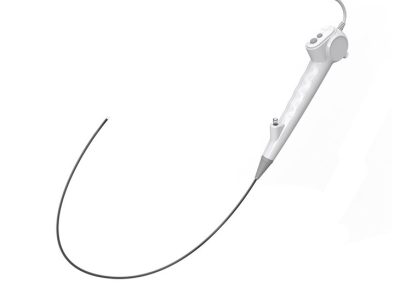
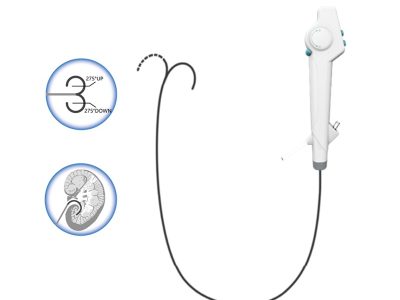
The development of flexible cystoscopes in the 1960s was a game-changer in urology. These devices used fiber optics to transmit light and images, allowing for greater flexibility and maneuverability. The flexible shaft could be bent and rotated to reach different areas of the bladder, providing a more comprehensive view. This innovation made cystoscopy less invasive and more comfortable for patients.
Flexible cystoscopes quickly became the standard of care for diagnostic and therapeutic procedures in urology. They are now widely used for a variety of indications, including the evaluation of hematuria, the diagnosis of bladder tumors, and the treatment of urinary tract infections. Flexible Cystoscope are available in different sizes and configurations to meet the specific needs of patients and urologists.
In recent years, there have been significant technological advancements in cystoscope design. These include the development of high-definition imaging systems, the integration of video cameras, and the use of advanced materials. High-definition imaging provides clearer and more detailed images, allowing for better diagnosis and treatment planning. Video cameras allow urologists to record and share procedures, which is useful for teaching and research purposes.
Advanced materials, such as carbon fiber and titanium, have been used to make cystoscopes lighter and more durable. These materials also reduce the risk of breakage and infection. In addition, some cystoscopes are now equipped with special features, such as lasers and ultrasound probes, which can be used for minimally invasive treatments.
One of the most significant trends in cystoscope design is the increasing use of single use and disposable cystoscopes. These devices are designed to be used once and then discarded, eliminating the need for reprocessing and reducing the risk of cross-contamination. Single use cystoscopes are also more convenient and cost-effective, as they do not require expensive sterilization equipment or maintenance.
Single Use Flexible Cystoscope and Disposable Cystoscope are becoming increasingly popular in urological practice. They are particularly useful in settings where infection control is a concern, such as in outpatient clinics and in developing countries.
The evolution of cystoscope design has had a profound impact on urological practice. These devices have made cystoscopy less invasive, more comfortable, and more accurate. They have also expanded the range of procedures that can be performed in the office setting, reducing the need for hospitalization and anesthesia.
In addition, the development of advanced imaging and treatment technologies has improved the diagnosis and treatment of urological diseases. Cystoscopes are now used not only for diagnostic purposes but also for therapeutic procedures, such as the removal of bladder tumors and the treatment of urinary incontinence.
The future of cystoscope design looks promising. Researchers are working on developing new technologies, such as virtual reality and artificial intelligence, which could further enhance the diagnostic and therapeutic capabilities of these devices. Virtual reality could be used to provide a more immersive and interactive experience for patients and urologists, while artificial intelligence could be used to analyze images and provide real-time feedback.


In addition, there is a growing interest in developing more personalized cystoscopes that are tailored to the specific needs of patients. These devices could be designed to be more comfortable, more effective, and more user-friendly.
The design of cystoscopes has come a long way since the early days of urology. From the rudimentary rigid tubes of the 19th century to the advanced flexible and disposable devices of today, these instruments have revolutionized the field of urology. As a cystoscope supplier, I am proud to be part of this exciting journey.
If you are interested in learning more about our cystoscopes or would like to discuss your specific needs, please do not hesitate to contact us. We would be happy to provide you with more information and to assist you in finding the right cystoscope for your practice.
 Blog
Blog
 Blog
Blog